
Your Relationship with Movement: How to Make It Joyful Again
Movement isn’t meant to be punishment. In this post, we explore how to untangle from the pressure and reconnect with joyful, intuitive ways of moving your body.
Movement is supposed to feel good.
Not punishing. Not performative. Not something you force yourself through just to feel “worthy” after.
And yet, so many of us have a complicated relationship with it.
We’ve tied it to appearance, discipline, numbers, or control.
We’ve let apps and trackers decide what counts.
We’ve learned to ignore how we feel in favour of how we should move.
But you don’t have to stay stuck in that pattern.
You’re allowed to begin again — with softness, curiosity, and joy.
How movement became a “should”
For years, I associated movement with effort and achievement. It had to be sweaty, structured, or intense to be valid.
Restorative practices made me feel guilty. Modifications made me feel like I wasn’t doing enough.
And if I wasn’t in a “perfect” rhythm with workouts? Cue the shame spiral.
Sound familiar?
So many women have inherited this mindset — that movement is only valuable if it’s changing our bodies, burning calories, or proving something.
But here's what’s true: you don’t need to earn your worth through exercise.
Your body isn’t a project.
And movement isn’t a punishment for what you ate.
Rebuilding a joyful relationship with movement
Joyful movement starts with listening. Not to your to-do list or your inner critic, but to your body.
It’s a practice of reconnecting — of tuning in and asking:
What would feel good today?
What kind of energy do I have?
Do I need to release, to ground, or to soften?
Some days, that might look like dancing in your living room.
Other days, it might be a gentle yoga flow, a strength-based barre session, or a slow walk in nature.
Joyful movement isn’t a one-size-fits-all approach. It’s personal. It’s seasonal. It’s yours.
Try this 3-step reconnection practice:
Check in (before you move):
Close your eyes, place your hand on your chest or belly, and ask: How do I feel right now?Choose with kindness:
Based on that check-in, choose a movement practice that feels supportive — not punishing.Reflect (after):
Take 30 seconds to notice: How do I feel now? What shifted?
This builds trust and reinforces the connection with your body’s cues.

Pregnancy, Identity, and the Shifting Self
In seasons of change, it’s normal to feel like a different version of yourself. This post offers comfort, perspective, and reflection prompts for anyone navigating identity shifts — big or small.
Change has a way of cracking us open, even when it’s beautiful, long-awaited, or deeply meaningful.
We tend to think that only painful transitions bring discomfort. But growth — even the kind rooted in joy — can feel raw and uncertain too.
Because change, no matter how positive, asks something of us. It asks us to let go. To release the known. To stretch into unfamiliar space.
Lately, I’ve been sitting with questions that don’t always have tidy answers:
Who am I becoming?
Will I still recognise myself after this shift?
Am I allowed to feel both grateful and grief-stricken at the same time?
We don't often talk about this duality: the way becoming someone new often includes grieving who we were. Even when that past version no longer fits, even when the new chapter is something we want or chose.
But it’s there. The ache, the tenderness, the moment where you look in the mirror and feel like parts of you are slipping through your fingers while others are quietly taking form.
Change doesn’t mean something is wrong
We’re allowed to outgrow versions of ourselves — identities we’ve built, roles we’ve claimed, routines we’ve clung to. Even the ones that once felt like home.
There’s no shame in feeling disoriented when those versions start to fall away.
It doesn’t mean you’re lost.
It doesn’t mean you’ve made a mistake.
It just means you’re evolving.
Sometimes change feels like a quiet undoing — not dramatic, but persistent. Like you’re shedding skin slowly, and you don’t yet know what’s underneath.
That’s okay.
You don’t need to rush to ‘figure it out’
There’s so much pressure to be clear, certain, and confident about who we are — especially when others are watching, asking, or expecting.
But identity doesn’t always move in straight lines.
It spirals. It circles back. It reshapes itself through lived experience.
If you’re in a season where the edges of your identity feel soft or blurry — trust that there’s wisdom in the waiting.
You don’t need to force clarity before it’s ready.
You don’t need to rush to define your “next self.”
What if this version — the one in between the old and the new — is already worthy of love?
What if this is the version that needs your compassion most?
Let yourself take up space in the transition. Let the becoming be messy, sacred, and slow.
Gentle prompts for reflection
You don’t need to journal perfectly or find a profound answer. But if it feels nourishing, here are a few questions to sit with:
Who am I when I let go of others’ expectations?
What parts of me are asking to be seen, softened, or redefined?
What have I outgrown — not with shame, but with quiet honesty?
What do I want to carry forward from who I’ve been?
What version of me is emerging — even if I don’t have the words for her yet?
Let this be a conversation with your inner self, not an interrogation. There’s no finish line to rush toward — only moments to meet yourself again and again.
You don’t have to have it all figured out to trust yourself.
You don’t need to “become” someone else to belong to your life.
You're still you — even if you're shifting.
Even if you're softening.
Even if you're not quite sure where you land next.
And that, in itself, is a powerful kind of knowing.
How to Rebuild Confidence After Feeling ‘Off’
Feeling off lately? Confidence dips are totally normal. In this post, I share how to gently rebuild self-trust with practical tools, affirmations, and a mindset shift that actually works.
We all go through seasons where confidence feels far away — where we question ourselves, feel stuck, or just… not like ourselves.
Whether it’s after burnout, a life change, or simply a string of off days, that dip in self-trust can feel frustrating. But here’s the thing: confidence isn’t a constant state. It ebbs and flows. And that doesn’t mean you’ve lost it — it just means you’re human.
Start small – confidence loves evidence
The quickest way to rebuild confidence isn’t by waiting to feel it first, it’s by doing something small that reminds you of your strength.
That could look like:
Moving your body, even for 5 minutes
Saying no when it’s easier to say yes
Taking action before you're “ready”
Speaking kindly to yourself on purpose
Each time you show up for yourself, you collect proof that you're capable. And those small moments? They build the kind of confidence that sticks.
Try this affirmation practice:
Affirmations work best when they feel real. Here’s one I return to when I’m feeling unsure:
“I’ve done hard things before. I can do this too.”
Repeat it out loud or in your head, especially when self-doubt sneaks in. Say it while walking, journaling, or holding a power pose. It’s not about pretending everything’s perfect — it’s about anchoring yourself in truth.
Let yourself evolve
Sometimes, we feel off because we’re outgrowing old versions of ourselves. Confidence doesn’t always come from returning to who we were - it often comes from getting to know who we’re becoming.
That’s something to honour, not fear.
Confidence isn’t about being loud, certain, or always “on.”
It’s about trusting yourself enough to keep showing up — even when you’re not sure how it’ll go.
You’ve got this. Even on the wobbly days.
5 Yoga Poses to Improve Your Sleep Tonight
Struggling to get restful sleep? You’re not alone.
The stress and busyness of daily life can make it hard for our minds and bodies to unwind. Yoga can be a gentle and effective way to slow down, release tension, and create space for deep relaxation. Here are five simple yoga poses you can try tonight to help you drift into a peaceful, restorative sleep.
Struggling to get restful sleep? You’re not alone.
The stress and busyness of daily life can make it hard for our minds and bodies to unwind. Yoga can be a gentle and effective way to slow down, release tension, and create space for deep relaxation. Here are five simple yoga poses you can try tonight to help you drift into a peaceful, restorative sleep.
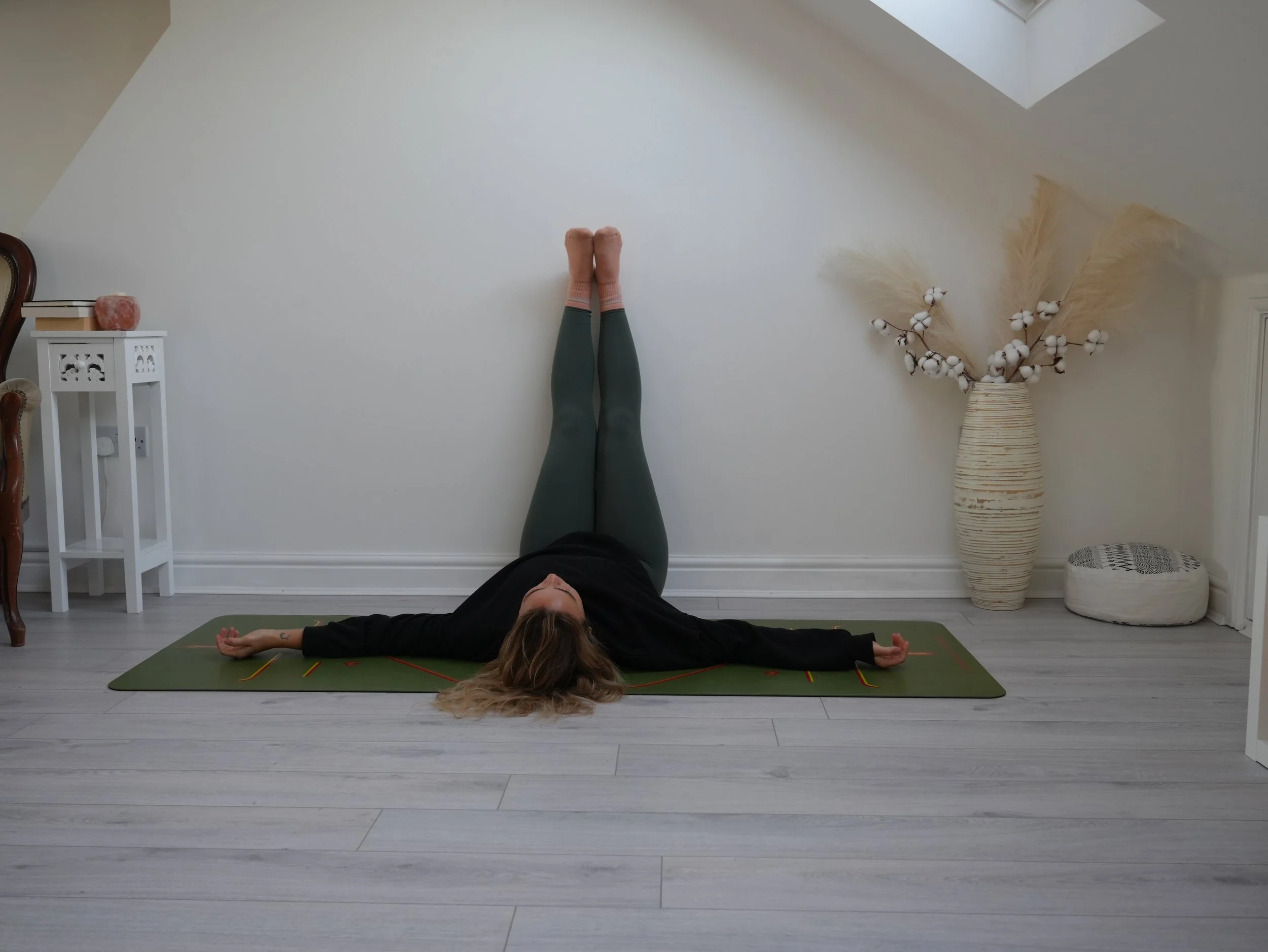
1. Legs Up the Wall (Viparita Karani)
This calming pose can help relieve tired legs, reduce tension, and bring a sense of calm to your entire body. It’s ideal for winding down and letting go of any lingering stress from your day.
How to Do It: sit sideways against a wall, swing your legs up onto it, and rest your head and back on the floor. Let your arms relax by your sides, palms facing up.
Breathe & Relax: stay here for 5-10 minutes, breathing deeply. Focus on releasing any tension with each exhale.

2. Child’s Pose (Balasana)
Child’s Pose is all about comfort. It gently stretches your back and shoulders, which can hold a lot of tension from daily activities. This pose encourages relaxation and a gentle feeling of surrender.
How to Do It: kneel on the floor, bring your big toes together, and sit back on your heels. Fold forward, reaching your arms out in front of you or letting them rest by your sides.
Breathe & Relax: breathe deeply here for 3-5 minutes, focusing on the natural rise and fall of your breath.

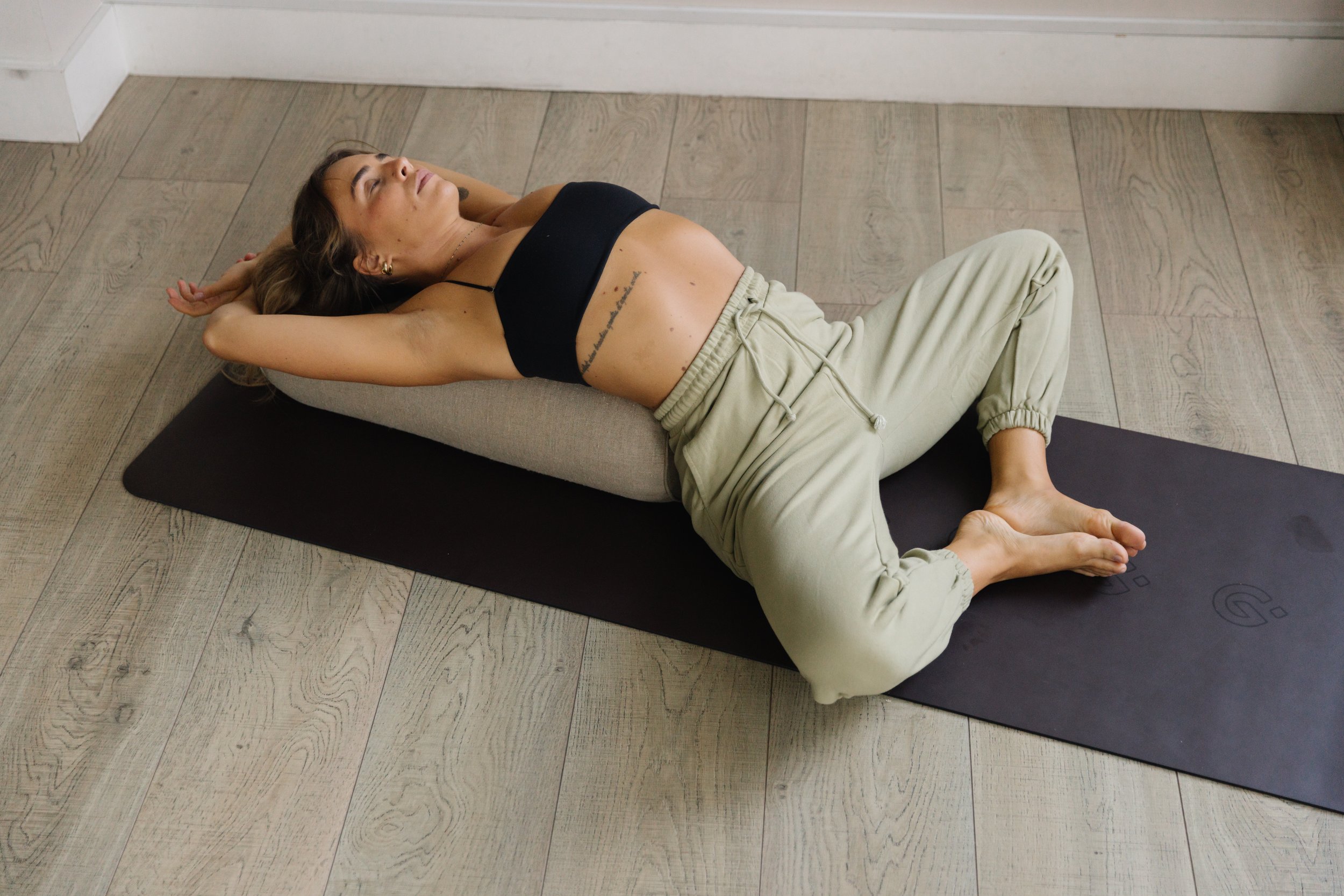
3. Reclined Butterfly (Supta Baddha Konasana)
This pose opens the hips and releases tension in the inner thighs while allowing you to relax fully on your back. It’s grounding, relaxing, and helps calm the nervous system.
How to Do It: lie down on your back, bring the soles of your feet together, and let your knees fall open, creating a diamond shape with your legs. Rest your arms by your sides, palms up.
Breathe & Relax: breathe deeply, feeling your belly expand with each inhale. Hold for 3-5 minutes.
4. Cat-Cow Pose (Marjaryasana-Bitilasana)
If you’ve been sitting for long hours, Cat-Cow Pose can release tension in your spine, neck, and shoulders. This gentle flow of movement is great for soothing the nervous system and preparing your body for rest.
How to Do It: start on your hands and knees. On an inhale, drop your belly, arch your back, and look up (Cow Pose). Exhale, round your spine, tuck your chin, and pull your navel toward your spine (Cat Pose).
Breathe & Relax: move slowly through 10-15 rounds, syncing your breath with each movement.


5. Supine Twist (Supta Matsyendrasana)
This gentle twist can help release any final tension lingering in your back, shoulders, and hips. It’s perfect for grounding and letting go as you prepare for sleep.
How to Do It: lie on your back and hug your knees to your chest. Let both knees fall to one side, and extend your arms out in a T-shape, with your gaze gently turning in the opposite direction.
Breathe & Relax: hold for 1-2 minutes on each side, breathing deeply into the twist and letting go of any stress or tightness.


Tips for Using These Poses to Wind Down:
Try moving through these poses as a gentle flow before bed, or choose a few that feel most relaxing to you. Dim the lights, play some calming music if you like, and focus on your breath as you move through each pose.
Incorporating these simple, soothing poses into your nighttime routine can help you slow down, release tension, and invite a deeper, more restful sleep. Sweet dreams! 💤

Yoga for Flexibility: Poses and Routines to Improve Your Range of Motion
Flexibility isn’t about being able to fold yourself into a pretzel (although that would be cool), it’s about allowing your body to move with ease and comfort. When your muscles and joints have a greater range of motion, everyday tasks like reaching, bending, and stretching feel smoother. And guess what? Yoga is one of the best tools to increase flexibility, whether you're a total beginner or someone who’s been practicing for years.
Let’s dive into some yoga poses and routines designed to help improve your flexibility while creating space in your body.
Flexibility isn’t about being able to fold yourself into a pretzel (although that would be cool), it’s about allowing your body to move with ease and comfort. When your muscles and joints have a greater range of motion, everyday tasks like reaching, bending, and stretching feel smoother. And guess what? Yoga is one of the best tools to increase flexibility, whether you're a total beginner or someone who’s been practicing for years.
Let’s dive into some yoga poses and routines designed to help improve your flexibility while creating space in your body.
Why Flexibility Matters
Flexibility is more than just physical. It affects how we feel mentally too. When our bodies are tight and stiff, it can create tension, discomfort, and even stress. By adding flexibility-focused yoga to your routine, you’re not only stretching muscles but also releasing tension and opening up pathways for better circulation and energy flow.
The beauty of yoga is that it meets you where you are. You don’t have to be super bendy to start - you just need a willingness to move and breathe.
Upper Body: Shoulders, Chest, and Spine
1. Thread the Needle
This pose is magic for your shoulders and upper back. From a tabletop position (hands and knees), slide one arm under the other, resting your shoulder and cheek on the mat. Feel the stretch through the shoulder blade and breathe deeply. Repeat on the other side.
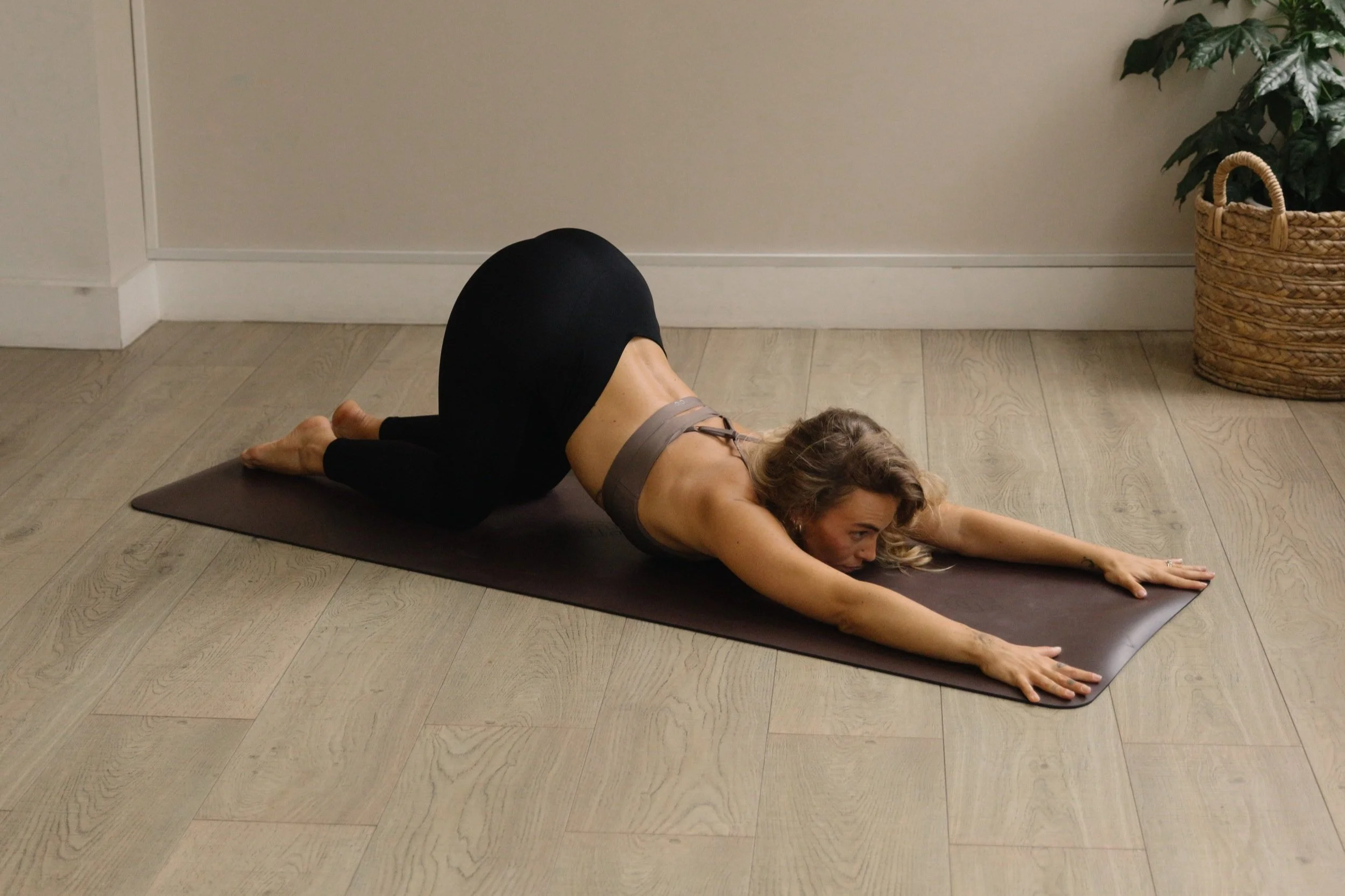
2. Puppy Pose
Keep your hips stacked above your knees and stretch your arms forward, allowing your chest to drop toward the floor. This opens up the chest, shoulders, and upper spine beautifully.
Back and Core
1. Cat-Cow
If your back feels tight, this flow is a go-to! Start in tabletop, arching the spine (Cow) as you inhale and rounding the back (Cat) as you exhale. This pose improves flexibility in the spine and releases tension.
2. Sphinx Pose
Lying face down, prop yourself up on your forearms with elbows under your shoulders. Gently lift your chest, keeping your lower belly active to protect your back. This pose strengthens and lengthens the lower back.
Hips and Glutes
1. Pigeon Pose
A deep hip opener, Pigeon is your friend if your hips feel tight. From Downward Dog, bring one knee towards the same side wrists and lower your hips. Keep your back leg extended and rest your upper body on the mat or stay more upright - whatever feels best!

2. Garland Pose
Sit into a squat with your feet wide, heels grounded, and hands in prayer at your chest. This deep squat opens the hips and stretches the groin and lower back.
Legs and Hamstrings
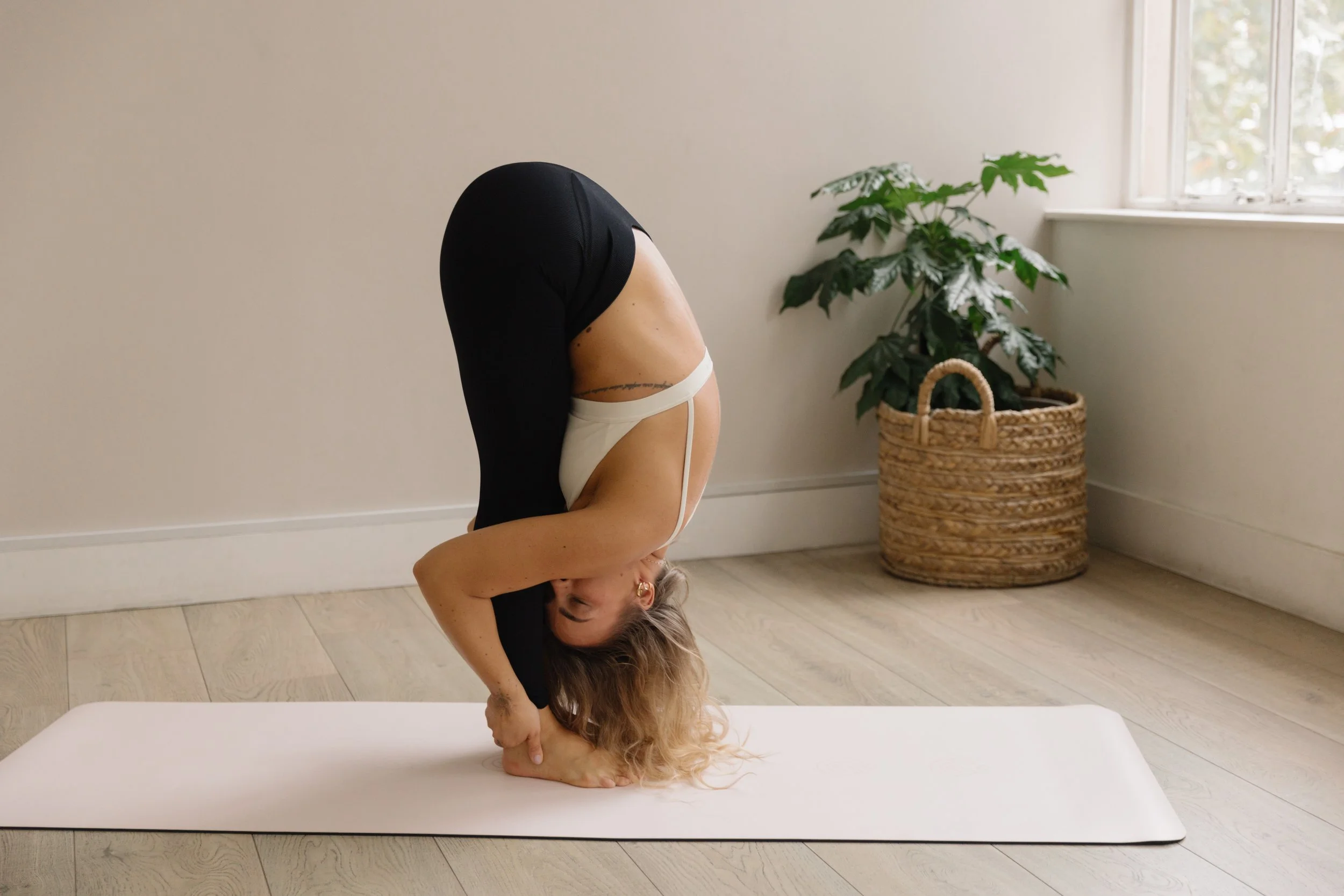
1. Forward Fold
From standing, hinge at your hips and fold forward, letting your head and arms hang heavy. Feel the stretch through the back of your legs, and don’t worry if your knees bend - this isn’t about touching your toes, but about lengthening your hamstrings.
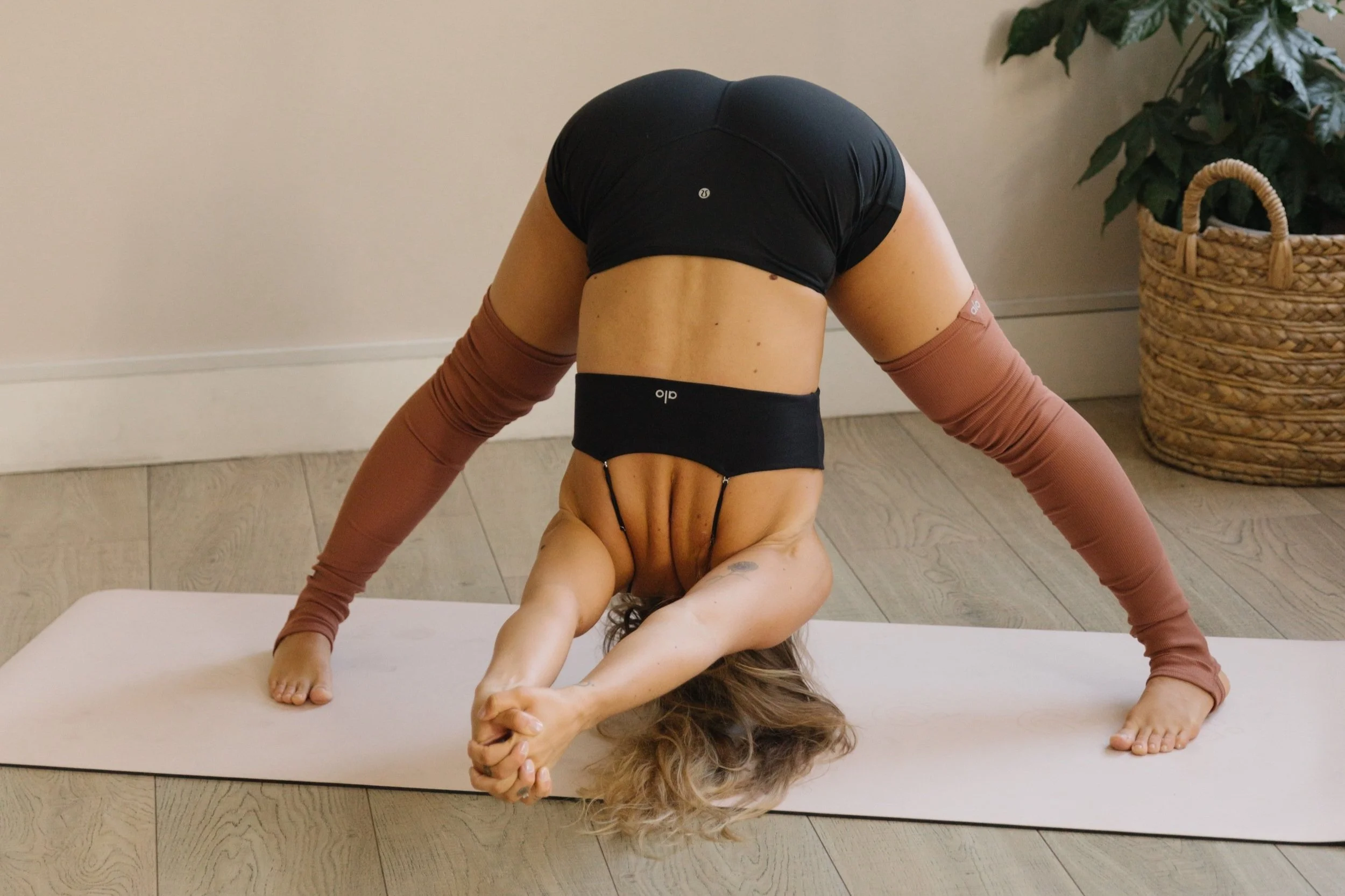
2. Wide-Legged Forward Fold
Step your feet wide apart, hinge forward from your hips, and lower your hands to the mat or a block. This opens up the inner thighs and hamstrings.
Ankles and Feet
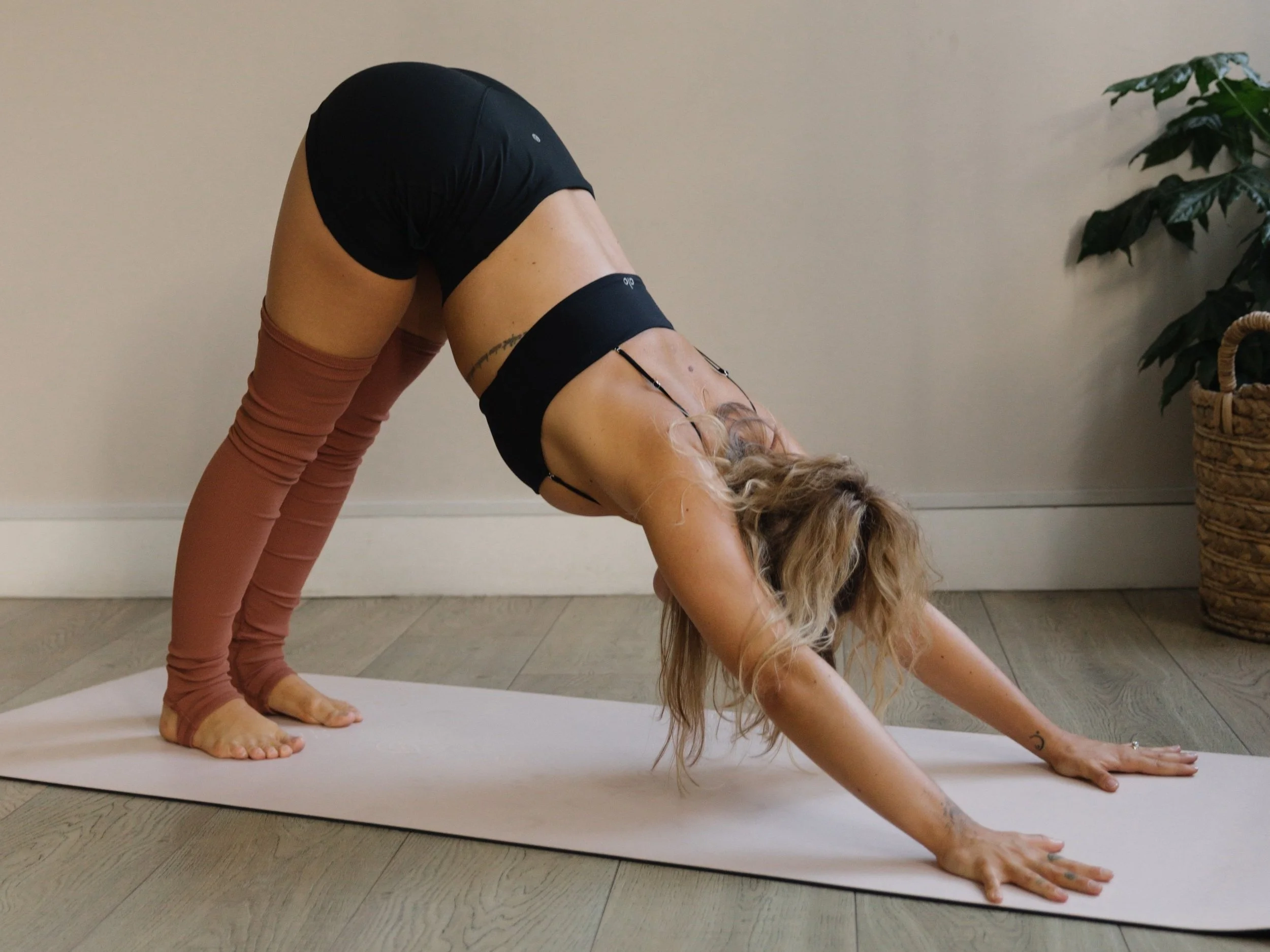
1. Downward Dog
A classic for a reason! While this pose is fantastic for many parts of the body, it also stretches the calves, hamstrings, and Achilles tendons. Don’t be afraid to bend your knees and pedal out your feet to warm up those ankles.
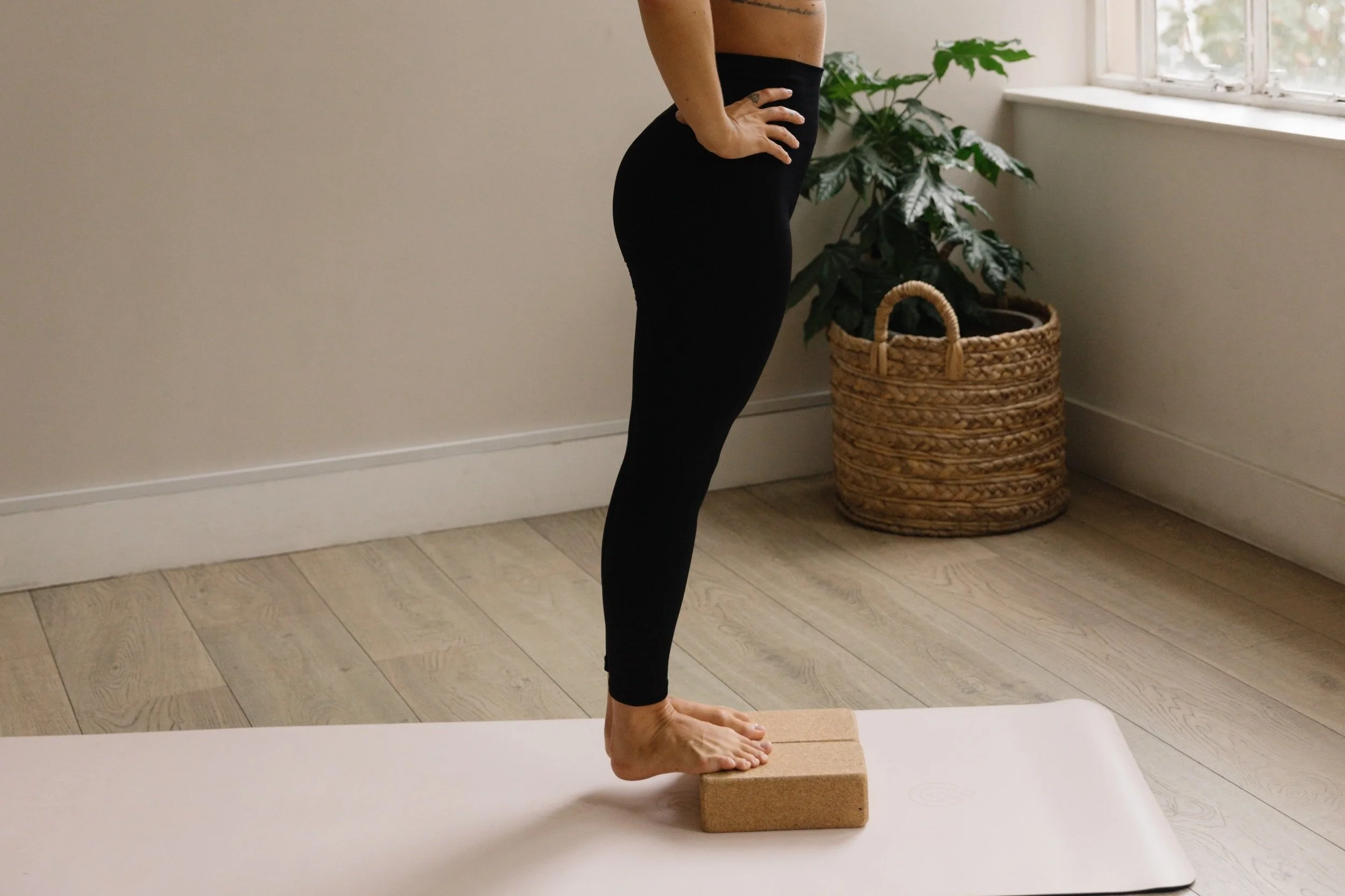
2. Heels Over a Block
Stand with your toes on a block or step, allowing your heels to hang off the edge. Slowly lower your heels toward the ground to stretch your calves and Achilles tendons. For an extra stretch, try pedalling your feet: pressing one heel down while bending the other knee, then switching.
Putting It All Together: A Simple Flow to Boost Flexibility
Here’s a quick routine you can try to stretch your entire body:
Cat-Cow Flow – 5 rounds
Thread the Needle – Hold each side for 5 breaths
Puppy Pose – Hold for 5 breaths
Pigeon Pose – Hold each side for 10 breaths
Forward Fold – Hold for 5 breaths
Garland Pose – Hold for 5 breaths
Wide-Legged Forward Fold – Hold for 5 breaths
Sphinx Pose – Hold for 5 breaths
Downward Dog – Hold for 5 breaths
Heels Over A Block – Hold both heels down for 5 breaths
The whole flow can take as little as 10 minutes, but you can stay longer in each pose if you have time to spare. Just remember to listen to your body and let go of any expectations. Yoga isn’t a race, and there’s no “perfect” way to be flexible. You’ll notice improvements in how you feel the more you practice, and that’s what really counts.
Tips for Improving Flexibility Through Yoga
Warm Up: before diving into deep stretches, it’s important to warm up your body with some gentle movement to get your blood flowing. Sun Salutations C (the ones with lunges!) are a great way to start.
Use Props: blocks, straps, and blankets can make poses more accessible, especially if you're working with tight muscles.
Stay Consistent: flexibility won’t come overnight, but with regular practice, you'll notice gradual improvements. Try to dedicate a few minutes every day to stretching and lengthening.
Breathe: your breath is your best friend when it comes to flexibility. As you inhale, create space in your body. As you exhale, allow yourself to sink deeper into the pose.
Be Patient: it’s easy to get frustrated if you’re not instantly flexible. Remember that yoga is a journey, not a destination.
Incorporating these flexibility-boosting poses into your yoga practice is a simple way to move with more freedom and comfort. Whether you’re looking to touch your toes or just want to feel less stiff, these stretches will help you loosen up and improve your range of motion. So grab your mat, take a deep breath, and give your body the space it deserves to stretch and release!
What’s your go-to yoga pose for flexibility? Let me know in the comments!

Introduction to Mindfulness: What It Is and How It Can Benefit You
But what exactly is mindfulness, and how can it benefit your mental and physical health? If you’re new to the concept, this beginner’s guide will help you understand mindfulness and how incorporating it into your routine can make a significant difference.
In a world that often feels chaotic and fast-paced, finding moments of calm can be challenging. Mindfulness offers a way to ground yourself and find peace amidst the hustle and bustle of daily life.
But what exactly is mindfulness, and how can it benefit your mental and physical health? If you’re new to the concept, this beginner’s guide will help you understand mindfulness and how incorporating it into your routine can make a significant difference.

What is Mindfulness?
At its core, mindfulness is the practice of paying attention to the present moment without judgment. It involves becoming fully aware of your thoughts, feelings, and sensations, as well as your surroundings, right here and now. Mindfulness encourages you to observe your experiences as they unfold, rather than getting caught up in past regrets or future anxieties.
While mindfulness has roots in ancient contemplative traditions, especially within Buddhism, it has become increasingly popular in modern wellness practices. Today, mindfulness is used not only for spiritual growth but also as a tool for enhancing overall well-being.

How to Practice Mindfulness
Practicing mindfulness doesn’t require any special equipment or a lot of time. Here are some simple ways to get started:
Mindful Breathing: focus on your breath. Pay attention to the sensation of air entering and leaving your body. If your mind wanders, gently bring your focus back to your breath.
Body Scan: sit or lie down comfortably. Slowly move your attention through different parts of your body, noticing any sensations or areas of tension without trying to change them.
Mindful Eating: eat slowly and savour each bite. Pay attention to the flavours, textures, and smells of your food. This can help you develop a more conscious relationship with eating.
Mindful Walking: take a walk and notice the sensation of your feet touching the ground, the sounds around you, and the sights you encounter. Stay present with each step you take.
Benefits of Mindfulness
Integrating mindfulness into your daily life can lead to a variety of mental and physical health benefits:
Reduced Stress: mindfulness can help you manage stress more effectively by encouraging a focus on the present moment, which reduces the impact of stressors.
Improved Focus: regular mindfulness practice can enhance your concentration and attention span, helping you stay focused on tasks and improve productivity.
Better Emotional Regulation: by becoming more aware of your emotions, mindfulness helps you respond to them in a more balanced way, reducing instances of emotional reactivity.
Enhanced Self-Awareness: mindfulness fosters a deeper understanding of yourself, including your thoughts, feelings, and behaviors. This self-awareness can lead to personal growth and improved relationships.
Improved Physical Health: studies have shown that mindfulness can lower blood pressure, improve sleep, and boost the immune system. By reducing stress, mindfulness also helps in managing chronic pain and other health conditions.
Greater Overall Well-Being: mindfulness can contribute to a greater sense of well-being and happiness by promoting a positive outlook and reducing feelings of anxiety and depression.
Getting Started with Mindfulness
Starting a mindfulness practice doesn’t have to be overwhelming. Begin with just a few minutes each day, and gradually increase the time as you become more comfortable. There are also many resources available, including apps, books, and online courses, to help guide you on your mindfulness journey.
Remember, mindfulness is a skill that develops with practice. Be patient with yourself and approach your practice with an open mind and heart. Over time, you may find that mindfulness brings a new level of peace, clarity, and joy into your life.
So, why not give it a try? Embrace the present moment and discover the benefits of mindfulness for yourself.

Top 10 Secrets of Barre Workouts for Strength Building
Barre workouts have become a favorite for many who want a blend of ballet, strength training, Pilates, and yoga to enhance their fitness routine.
While barre is often celebrated for its flexibility benefits, it’s also a fantastic way to build strength. Over the time, I’ve discovered some lesser-known tips and techniques that can make your barre workouts even more effective for strength building. Here are my top 10 secrets to help you get the most out of your barre routine.
Barre workouts have become a favorite for many who want a blend of ballet, strength training, Pilates, and yoga to enhance their fitness routine.
While barre is often celebrated for its flexibility benefits, it’s also a fantastic way to build strength. Over the time, I’ve discovered some lesser-known tips and techniques that can make your barre workouts even more effective for strength building. Here are my top 10 secrets to help you get the most out of your barre routine.
1. Embrace Micro-Movements
Tiny, controlled movements are more than just subtle shifts—they’re key to building strength. Their aim is to bring the muscles to fatigue, as they target specific muscle fibers that often get overlooked in traditional workouts.When I started focusing on these small, precise motions, I found my muscles becoming more engaged and defined. The effort these micro-movements require can really push your strength to the next level and improve your endurance.
2. Prioritise Posture and Alignment
Keeping proper alignment is crucial. I’ve learned that maintaining the right posture during barre exercises not only ensures you’re working the intended muscles but also helps prevent injuries. Proper alignment might feel challenging at first, but it makes a big difference in your overall strength development.
3. Use Resistance Bands
Adding resistance bands to your routine can significantly intensify the workout. I love incorporating these bands as it helps me target muscles that were otherwise difficult to engage. They’re great for challenging yourself and building strength in your whole body.
4. Focus on Core Engagement
I quickly realised that a strong core is the backbone of effective barre exercises. Engaging my core during every movement stabilised my body and allowed me to perform exercises with greater control. This focus on core strength has made a noticeable difference in my overall stability and endurance.
5. Incorporate Isometric Holds
Holding positions for extended periods is a fantastic way to build muscular endurance. When I started incorporating isometric holds into my routine, I felt my muscles working in ways they hadn’t before. It’s a great way to challenge your strength and endurance.
6. Mix Up Your Routine
Variety is essential to keep your muscles challenged and prevent plateaus. I’ve found that regularly changing up my barre routine keeps the workouts exciting and ensures that all muscle groups are targeted. This variety helps me stay motivated and continue making progress.
7. Use Light Weights for Added Resistance
Adding light weights to your barre exercises can provide an extra layer of resistance without compromising form. When I started using 1-3 pound weights, I noticed a significant increase in muscle tone and strength. It’s an easy way to intensify your workout and see better results.
8. Pay Attention to Your Breathing
Coming from yoga, I know that proper breathing techniques are a game-changer in my barre practice. Focusing on controlled breathing helps me perform exercises more effectively and reduces fatigue. It’s also a great way to stay centered and improve overall performance.
9. Stay Consistent
Consistency is key in any workout routine, and barre is no exception. Sticking to a regular barre schedule has been crucial for me in building strength. Even short, consistent sessions have led to noticeable improvements over time.
10. Listen to Your Body
Understanding when to push and when to rest has been vital in my strength-building journey. Barre workouts can be intense, and listening to my body has helped me avoid overtraining and injury. It’s important to balance effort with rest for optimal results.
Barre workouts are an excellent way to build strength when you incorporate these tips and techniques. Remember, the journey to strength is personal—find what works best for you and enjoy the process.

Embrace the Best of Both Worlds: The Power of Hybrid Training with Yoga and Barre
The way I move my body is always evolving as I grow and evolve too.
In the past couple of years I've discovered that the best and most fun way for me to move is through hybrid training. By blending different exercise disciplines, I can create a balanced and fulfilling workout experience.
So today, I want to share with you why combining yoga and barre, particularly my unique mix of Pilates and strength training, is the way to go. Let's delve into how these two forms of exercise complement each other and enhance our fitness journey.
The way I move my body is always evolving as I grow and evolve too.
In the past couple of years I've discovered that the best and most fun way for me to move is through hybrid training. By blending different exercise disciplines, I can create a balanced and fulfilling workout experience.
So today, I want to share with you why combining yoga and barre, particularly my unique mix of Pilates and strength training, is the way to go. Let's delve into how these two forms of exercise complement each other and enhance our fitness journey.
The Harmony of Yoga
Yoga has always been a cornerstone of my fitness routine. Its ability to cultivate mindfulness, flexibility, and overall well-being is unparalleled. Here’s what I love about yoga:
Mind-Body Connection: Yoga fosters a profound connection between the mind and body. Through controlled breathing and meditative practices, I find it reduces stress and enhances mental clarity. This connection helps me stay grounded and focused, both on and off the mat.
Flexibility and Balance: Regular yoga practice significantly improves flexibility and balance, essential components for a well-rounded fitness routine. These improvements not only reduce the risk of injury but also enhance overall physical performance.
Core Strength: Many yoga poses emphasize core engagement, promoting a strong and stable center. A strong core supports all physical activities, from daily tasks to intense workouts.
The Strength of Barre
In my barre classes, which draw inspiration from Pilates and strength training, I focus on building functional strength and stability. Here’s why I believe barre is a fantastic addition to any fitness regimen:
Functional Strength: Barre exercises target multiple muscle groups through compound movements, building functional strength that supports everyday activities. This type of strength is practical and enhances overall physical capability.
Muscle Endurance: High repetitions with low resistance in barre exercises build muscle endurance. This approach helps in developing long, lean muscles that are strong and resilient.
Posture and Alignment: Proper form and alignment are crucial in barre, leading to improved posture and a more balanced physique. Good posture is not just about looking confident; it’s also about maintaining a healthy spine and reducing the risk of musculoskeletal issues.
The Synergy of Yoga and Barre
Combining yoga and barre creates a holistic workout regimen that leverages the benefits of both disciplines. Here’s how I find they complement each other perfectly:
Balanced Workouts: Yoga enhances flexibility and balance, while barre builds functional strength and endurance. Together, they create a comprehensive fitness routine that addresses multiple aspects of physical health.
Mindful Strength: The mindfulness cultivated in yoga pairs beautifully with the strength and alignment focus of barre. This combination helps me stay present and engaged during my workouts, making each session more effective and enjoyable.
Enhanced Recovery: The flexibility and relaxation gained from yoga aid in recovery from more intense barre sessions. This synergy keeps me feeling refreshed and minimizes the risk of overuse injuries.
Embracing Hybrid Training
I'm passionate about hybrid training because it offers the best of both worlds. By integrating yoga and barre into my fitness routine, I achieve a harmonious balance that nurtures both my mind and body. This approach not only enhances physical fitness but also promotes mental well-being and overall life satisfaction.
I invite you to join me in experiencing the benefits of this powerful combination for yourself. Embrace the best of both worlds and take your fitness journey to new heights with yoga and barre hybrid training.
Stay balanced and strong,
PRACTICE WITH ME ON YOUTUBE

7 Yoga Poses to Start Your Day
Yoga is not just a physical exercise; it’s a holistic practice that connects the body, mind, and spirit. Starting your day with yoga can set a positive tone for the hours ahead, promoting flexibility, strength, and a sense of calm. Whether you’re a beginner or a seasoned yogi, these five simple poses can energise your body and prepare you for whatever challenges lie ahead.
Yoga is not just a physical exercise; it’s a holistic practice that connects the body, mind, and spirit. Starting your day with yoga can set a positive tone for the hours ahead, promoting flexibility, strength, and a sense of calm. Whether you’re a beginner or a seasoned yogi, these five simple poses can energise your body and prepare you for whatever challenges lie ahead.
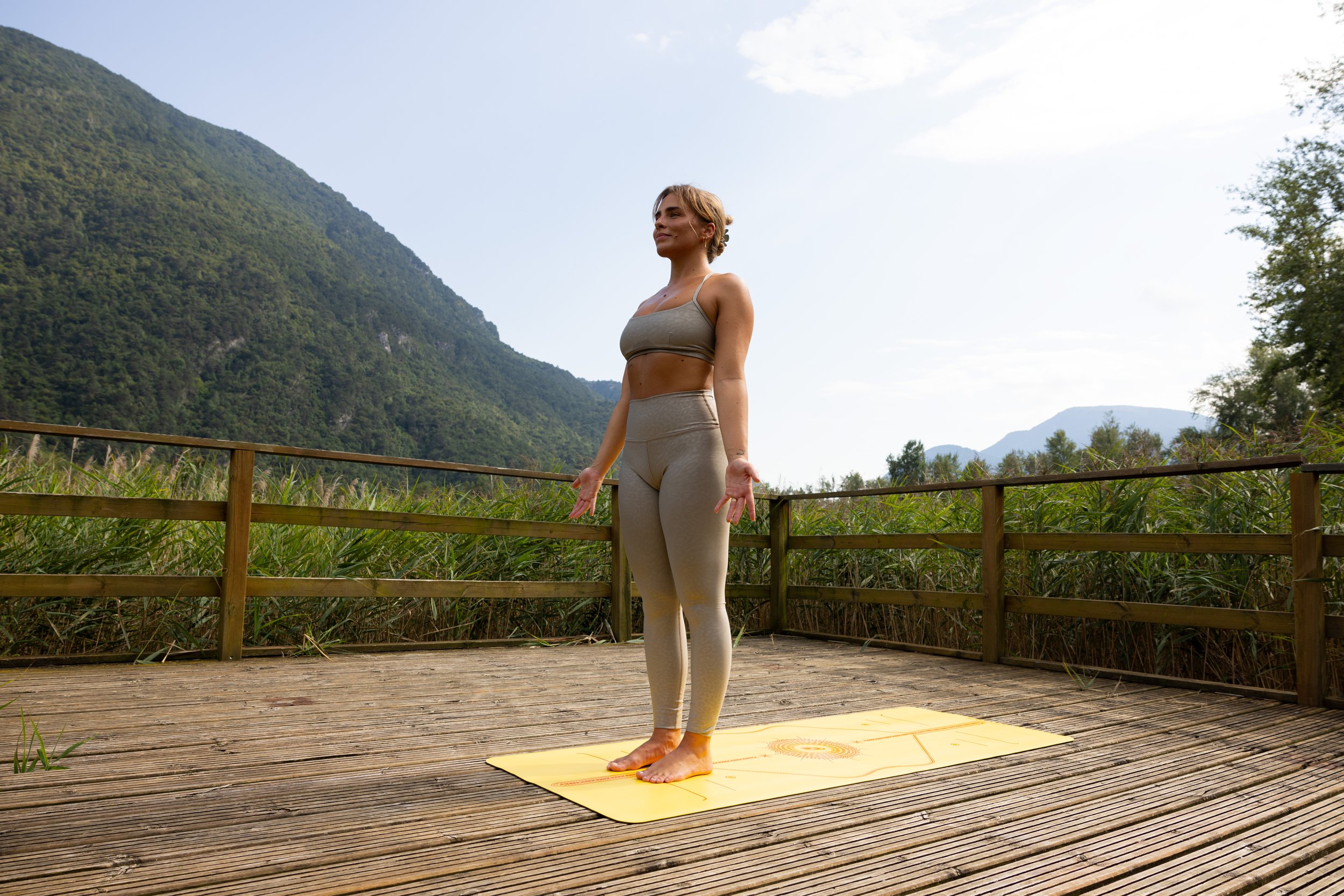
1. Mountain Pose (Tadasana)
Begin your practice with Tadasana, or Mountain Pose. Stand tall with your feet together, grounding down through all four corners of your feet. Engage your thighs and lift your kneecaps, maintaining a neutral spine. Roll your shoulders back and down, extending your arms alongside your body with your palms facing forward. Take deep breaths, feeling the stability and strength of the mountain within you.

2. Standing Hip Circles
From Mountain Pose, shift your weight onto your left foot and lift your right foot slightly off the ground. Slowly begin to make circles with your right knee, focusing on mobility in your hip joint. Gradually switch directions after a few circles. This movement warms up the hips and improves circulation, preparing your lower body for the practice ahead.
3. Cat-Cow Pose
Move into Cat-Cow Pose to warm up your spine and engage your core. Start on your hands and knees in a tabletop position. Inhale as you arch your back, lifting your tailbone and chest towards the ceiling (Cow Pose). Exhale as you round your spine, tuck your chin to your chest, and draw your belly button towards your spine (Cat Pose). Flow between these two poses, syncing your breath with movement for a few cycles.
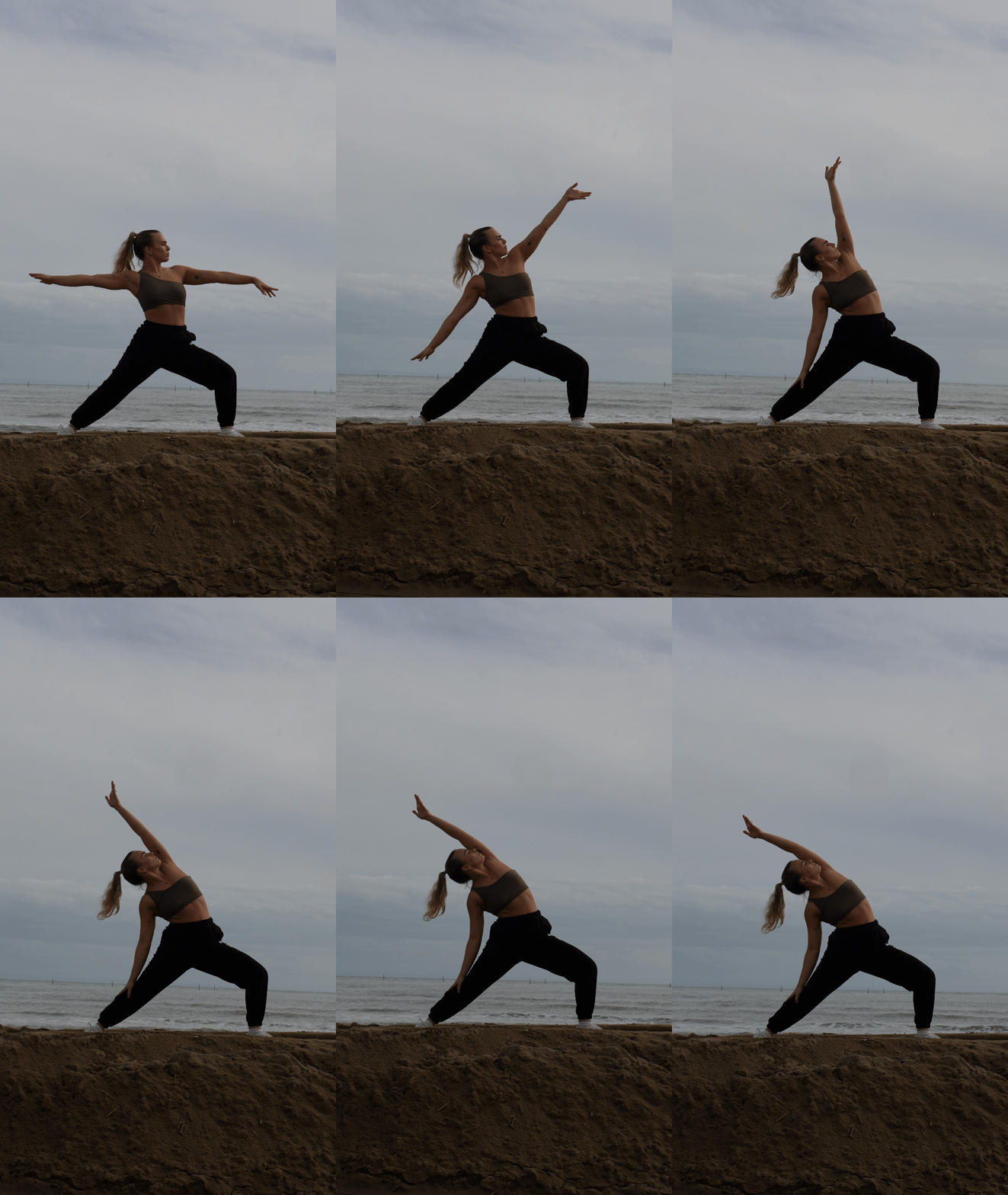
4. Warrior II to Reverse Warrior
Step your right foot forward between your hands and pivot your left foot so it’s parallel to the back of your mat. Bend your right knee more or less above your ankle. Extend your arms out to the sides at shoulder height, palms facing down (Warrior II). Inhale deeply, then exhale and lean your torso back slightly, bringing your right hand down to rest lightly on your right thigh and sweeping your left arm overhead (Reverse Warrior). Keep your gaze upward or forward. Feel the stretch along your right side body and maintain strong legs. Hold for a few breaths, then switch sides.

5. Happy Baby Pose
Lie on your back and draw your knees towards your chest. Separate your knees wider than your torso and reach for the inside edges of your feet with your hands. Flex your feet and gently pull down with your hands, encouraging your knees to move towards the floor beside your body. Your tailbone should be grounded on the mat. Stay here and gently rock side to side, enjoying the gentle stretch in your hips and lower back. Breathe deeply and relax your shoulders and face.
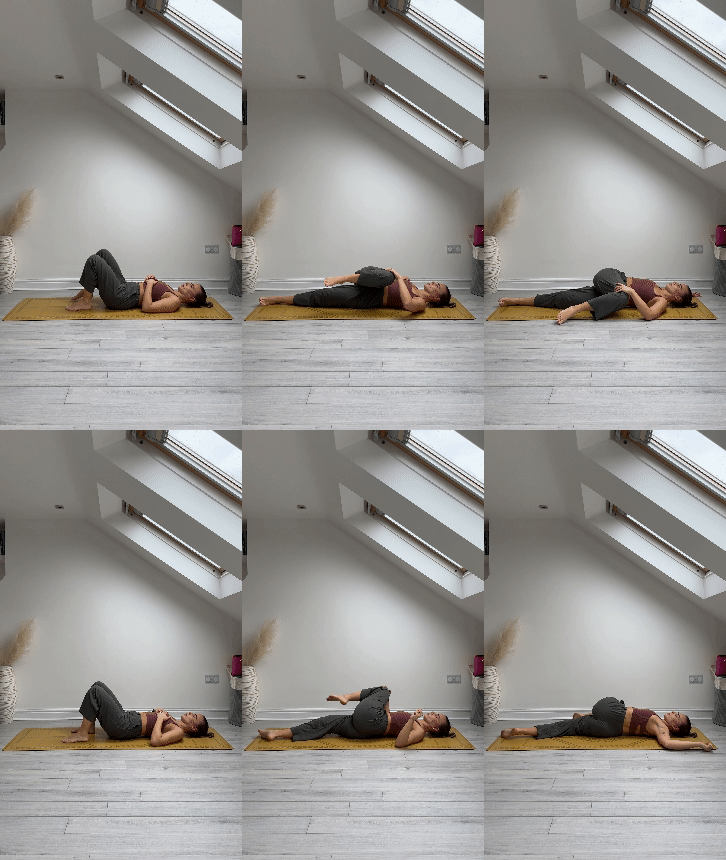
6. Reclined Twists
End your practice with a soothing Reclined Twist. Lie on your back and draw your knees into your chest. Extend your arms out to the sides in a T-shape with your palms facing down. Slowly lower your knees to the right, keeping them together and trying to keep your shoulders grounded. Turn your head to the left for a deeper twist. Hold for several breaths, feeling the gentle release in your lower back and spine. Bring your knees back to center, then lower them to the left and turn your head to the right. Hold for several breaths on this side as well.
7. Child’s Pose
End your practice with a calming Child’s Pose. Kneel on the mat, touch your big toes together, and sit on your heels. Extend your arms forward and lower your torso between your thighs. Rest your forehead on the mat, allowing your spine to lengthen and your hips to sink towards your heels. Breathe deeply into your lower back and relax your shoulders. Stay here for as long as you like, soaking in the tranquility and preparing mentally for the day ahead.

Incorporating these yoga poses into your morning routine can provide numerous benefits from increased flexibility and strength to a more focused and centered mind. Whether you have five minutes or twenty, taking the time to practice yoga in the morning can set a positive tone for your entire day. Remember to listen to your body and modify poses as needed. Start your day with intention and mindfulness, and watch as your overall well-being improves with each practice.
COMING UP
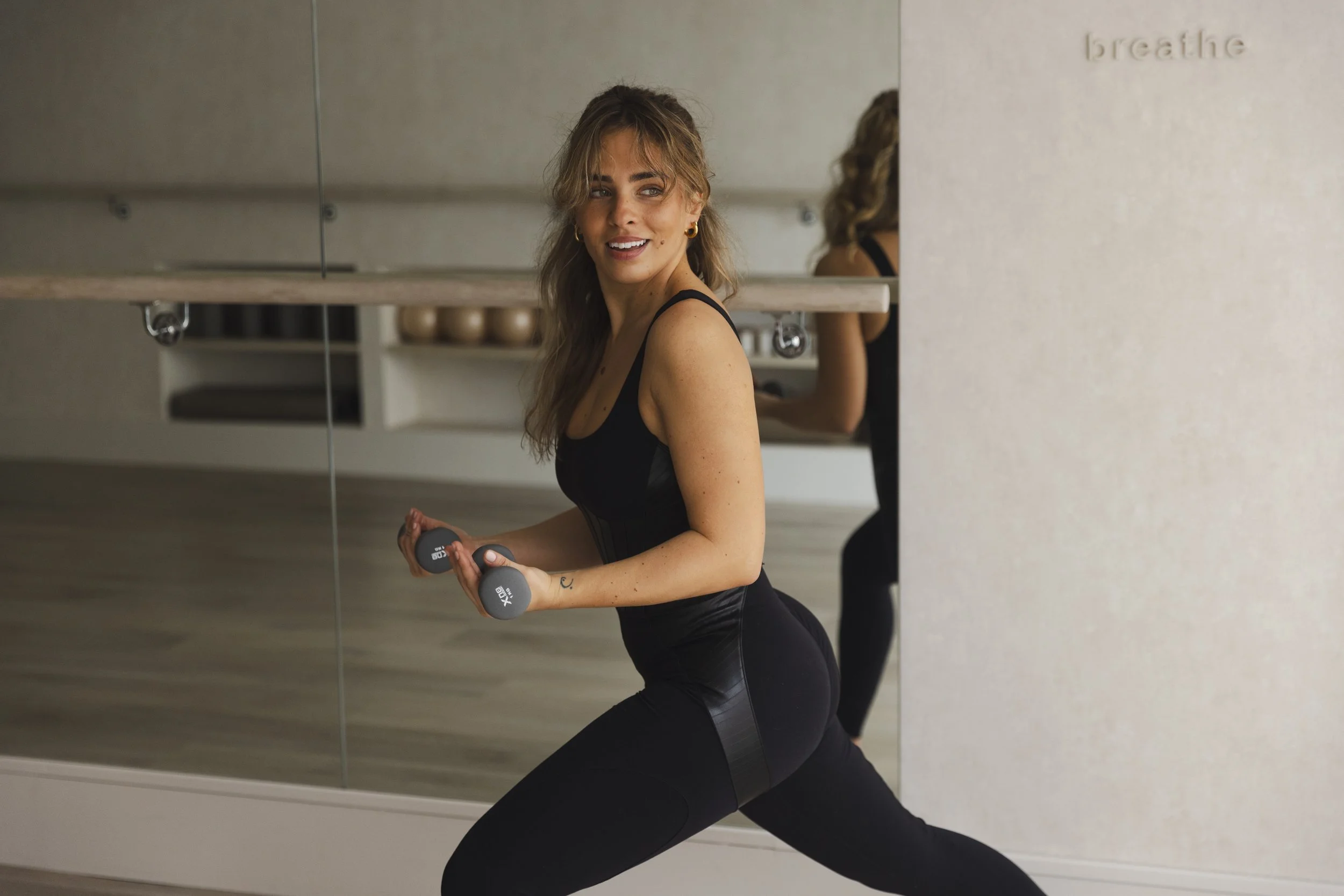
Why you need to try BARRE 🦋
If you’ve been following me for a while you know since last summer I fell head over heels with a new way to move my body, *enters BARRE! So today, I want to talk about this incredible workout that beautifully blends elements of Pilates, yoga, and strength training.
If you’ve been following me for a while you know since last summer I fell head over heels with a new way to move my body, *enters BARRE! So today, I want to talk about this incredible workout that beautifully blends elements of Pilates, yoga, and strength training.
Barre is more than just an exercise routine; it's an empowering and holistic approach to fitness that anyone can enjoy, regardless of experience level (my mum does it too!).
Here are some of the many benefits of Barre and why you should consider giving it a try:
A Balanced, Full-Body Workout
Barre uniquely combines the principles of Pilates, yoga, and strength exercises to offer a well-rounded workout. It focuses on small, controlled movements and isometric holds that engage your muscles in a gentle yet powerful and effective way. This approach helps improve overall body strength, flexibility, and endurance.
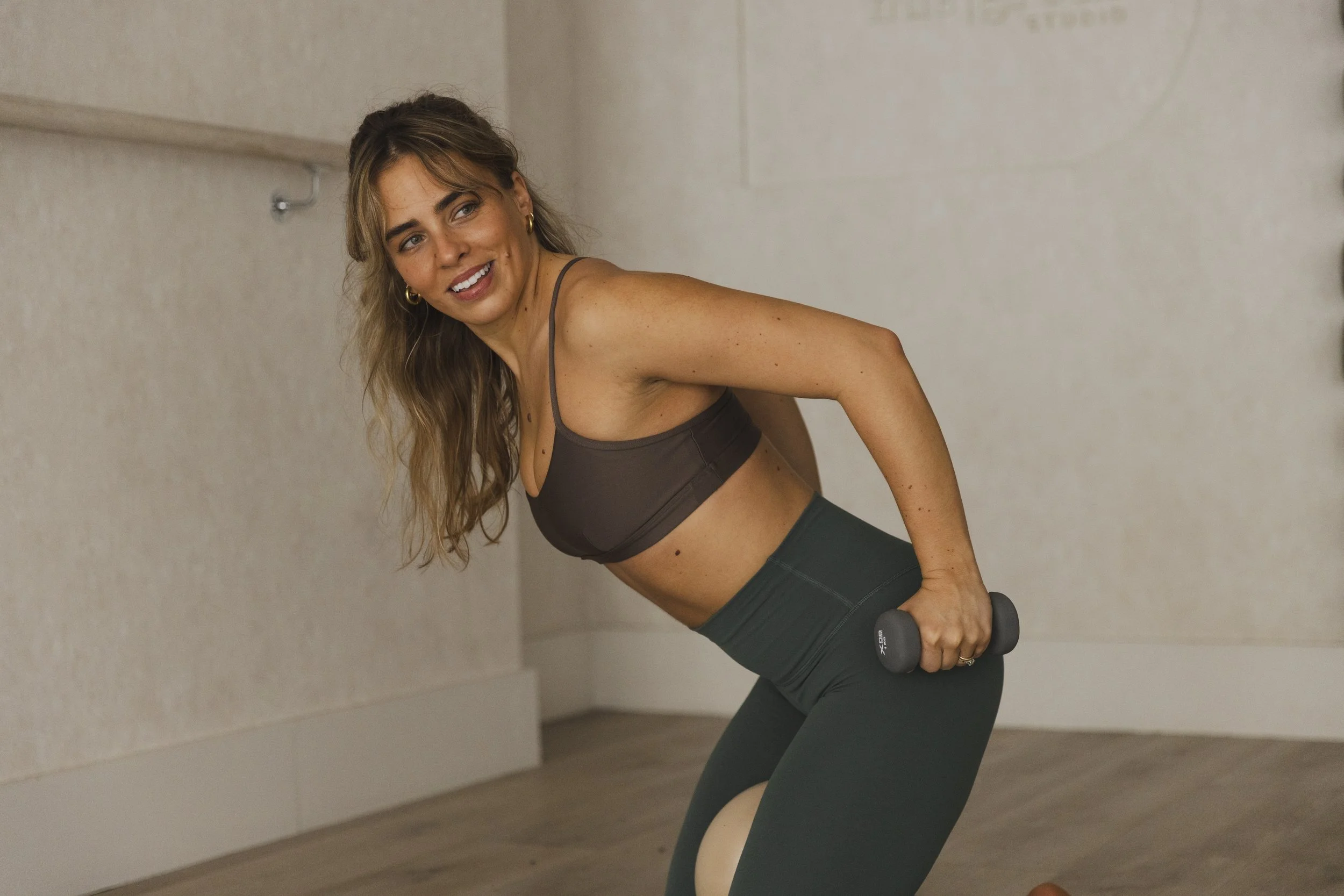
Enhances Mind-Body Connection
Much like yoga, Barre encourages a strong mind-body connection. The deliberate and mindful movements require concentration and focus, helping you to become more in tune with your body. This mindfulness aspect can also contribute to reduced stress and improved mental clarity.
Improves Posture and Alignment
The exercises in Barre are designed to enhance your posture and alignment. By targeting the muscles that support proper posture, Barre helps you stand taller and move more efficiently in your daily life. This focus on alignment can also alleviate common discomforts, such as back pain.
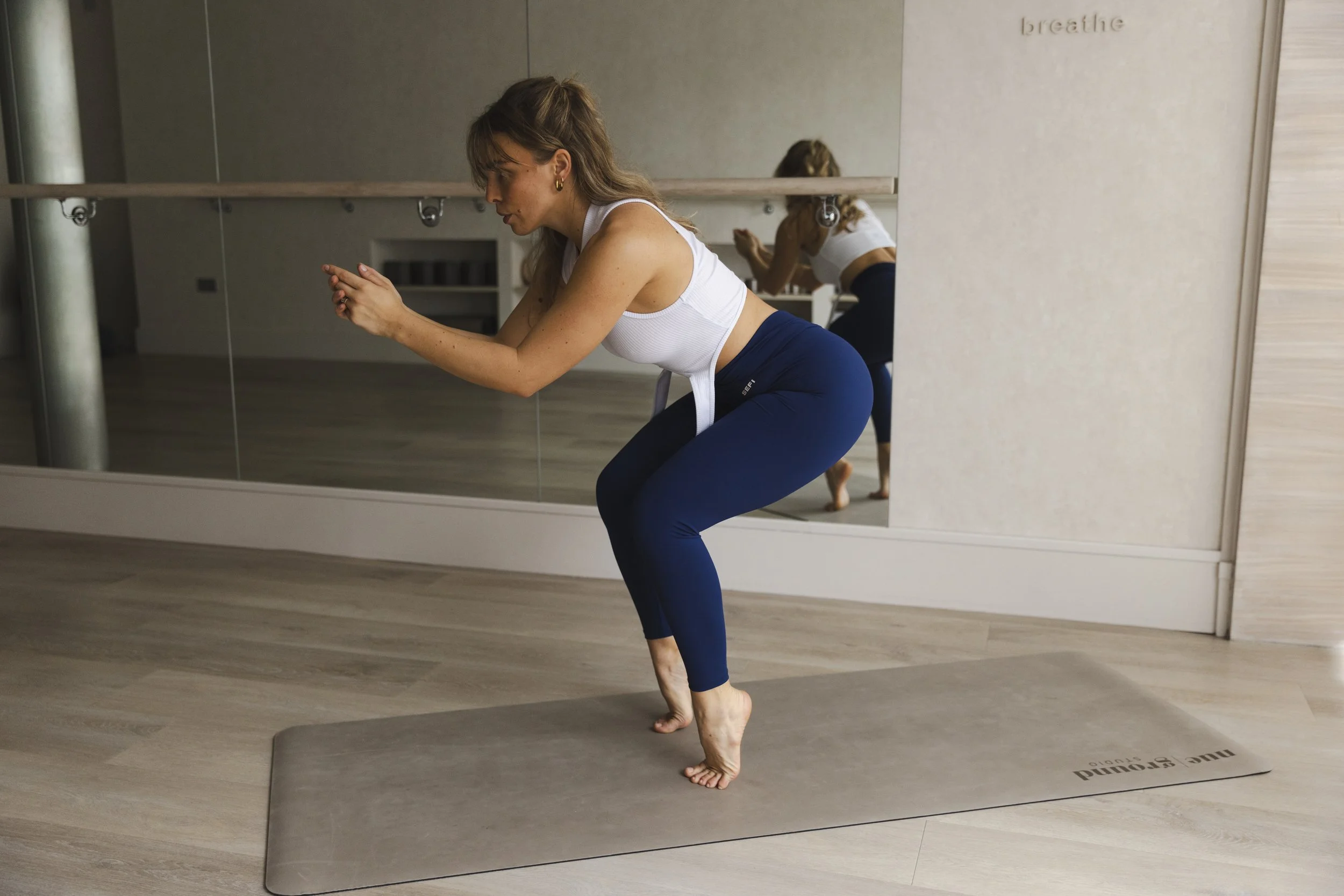
Low-Impact, High-Benefit
Barre is a low-impact workout, making it accessible and gentle on your joints while still providing significant benefits. Don’t let it trick you though, while it is low-impact, the workout’s intensity within a class is high! Whether you're a fitness enthusiast or someone looking for a new way to stay active, Barre offers a safe and effective option.
Versatile and Accessible
One of the great things about Barre is its versatility. You don't need any special equipment or even a barre to get started. Many exercises can be done using a chair, countertop, or simply your own body weight. This makes it easy to practice Barre at home, at the gym, or even on vacation.
That said I do love to integrate some props in my classes to enhance the practice and movements. They are all fairly cheap to purchase and light to bring around with you (dumbbells aside)! Alternatively you can also look at this video I made, showing you how to substitute props with what you have around the house : watch here.)
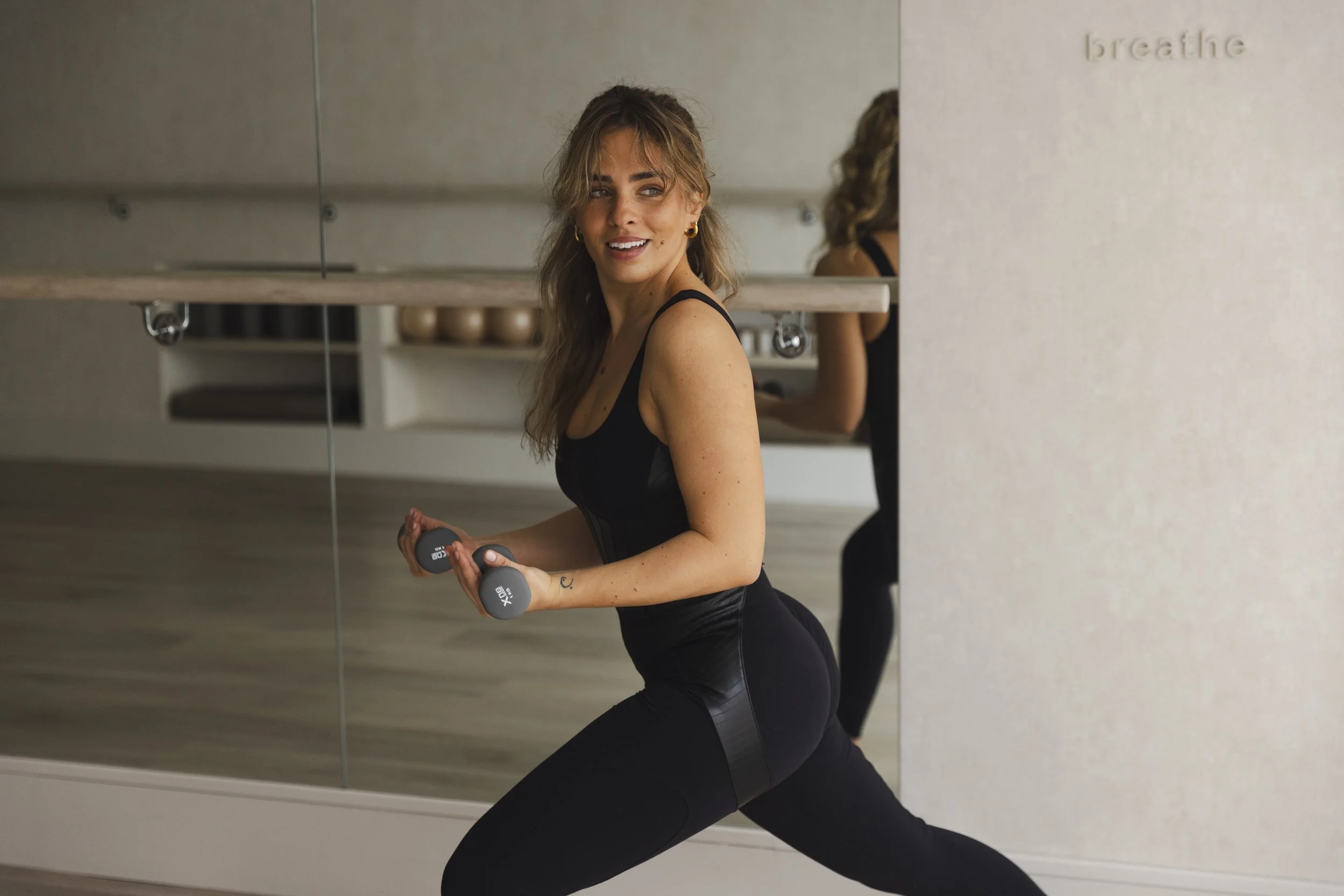
Suitable for All Fitness Levels
Whether you're a beginner or have more experience in fitness, Barre can be adapted to suit your fitness level. I always offer modifications and progressions to ensure that everyone can participate and benefit from the workout.
Empowerment Through Movement
Ultimately, Barre is about empowering yourself through movement. It's a practice that celebrates what your body can do, promotes self-confidence, and leaves you feeling energised and uplifted.
Sounds amazing right? Why not try this class! 👇🏼
And don’t forget to follow me on Instagram for lots of barre tips and inspo!

Welcome May with Mindfulness & Fresh Intentions
The month of May brings warmer temperatures, blooming flowers and abound opportunities for renewal and growth. As we transition into this new and vibrant season, it's the perfect time to pause, get grounded, and set some uplifting intentions for the month ahead.
The month of May brings warmer temperatures, blooming flowers and abound opportunities for renewal and growth. As we transition into this new and vibrant season, it's the perfect time to pause, get grounded, and set some uplifting intentions for the month ahead.
While the start of a new calendar year often prompts people to make resolutions, you don't need to wait until January to reset your mindset. Each new month, week or even day provides a chance to wipe the slate clean and realign your focus.
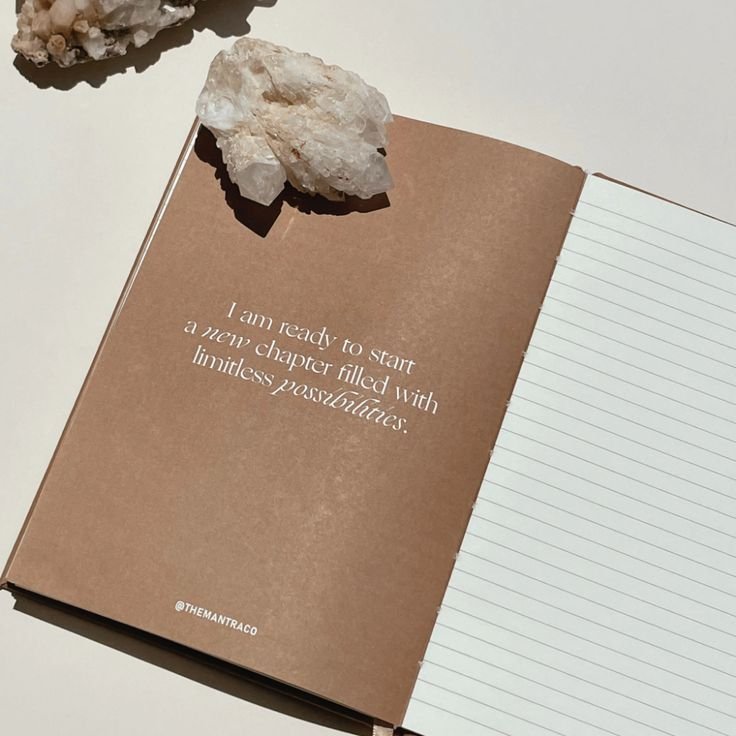
Here are some tips to start May with a mindful spirit:
Connect with Your Breath Before jumping into your daily whirlwind of activity, spend a few minutes taking some deep, mindful breaths. This short breathing exercise helps you feel centered and present in the current moment rather than letting your mind linger on the past or worry about the future.
Reflect on What's Working (and What Isn't) Get quiet and check in with yourself. What's going well in your life right now that you'd like to continue or ramp up? Conversely, what habits, situations or mindsets aren't serving you that you may want to adjust or let go? The start of a new month is an opportune time to hit the reset button.
Set New Intentions With self-reflection out of the way, you can set fresh intentions from a more grounded, mindful place. Perhaps you'd like to intention to approach setbacks with more patience, nurture meaningful relationships, or devote more time to nourishing your mind and body. Find what resonates with your authentic self.
Write It Down & Put It Out There To solidify your intentions, try writing them down or speaking them out loud. You can even create a visual representation by writing them on sticky notes and placing them around your home or office. Having reminders reinforces your commitment.
Detail the Small Steps While focusing on the overarching feeling or achievement you want is important, the more you can break down your intention into small, actionable steps, the more successful you're likely to be. If your intention is to nurture your relationships better, plan out micro-actions like scheduling regular phone calls with friends or making a habit of putting your phone away during quality family time. Incremental practices make big intentions more attainable.
For example, if you set the intention to feel more energized, list out supporting habits like aiming for 8 hours of sleep each night, drinking more water throughout the day, taking a morning walk, or meal prepping healthy lunches. Having a specific pathway of small, consistent actions keeps your intentions from feeling lofty or unattainable.
Embrace a Mindful May As you immerse yourself in the cheerful vibes of May's beginnings, ground yourself through mindfulness practices and use this fresh start to establish intentions that will uplift your mind, body and spirit all month long!