
Yoga for Flexibility: Poses and Routines to Improve Your Range of Motion
Flexibility isn’t about being able to fold yourself into a pretzel (although that would be cool), it’s about allowing your body to move with ease and comfort. When your muscles and joints have a greater range of motion, everyday tasks like reaching, bending, and stretching feel smoother. And guess what? Yoga is one of the best tools to increase flexibility, whether you're a total beginner or someone who’s been practicing for years.
Let’s dive into some yoga poses and routines designed to help improve your flexibility while creating space in your body.
Flexibility isn’t about being able to fold yourself into a pretzel (although that would be cool), it’s about allowing your body to move with ease and comfort. When your muscles and joints have a greater range of motion, everyday tasks like reaching, bending, and stretching feel smoother. And guess what? Yoga is one of the best tools to increase flexibility, whether you're a total beginner or someone who’s been practicing for years.
Let’s dive into some yoga poses and routines designed to help improve your flexibility while creating space in your body.
Why Flexibility Matters
Flexibility is more than just physical. It affects how we feel mentally too. When our bodies are tight and stiff, it can create tension, discomfort, and even stress. By adding flexibility-focused yoga to your routine, you’re not only stretching muscles but also releasing tension and opening up pathways for better circulation and energy flow.
The beauty of yoga is that it meets you where you are. You don’t have to be super bendy to start - you just need a willingness to move and breathe.
Upper Body: Shoulders, Chest, and Spine
1. Thread the Needle
This pose is magic for your shoulders and upper back. From a tabletop position (hands and knees), slide one arm under the other, resting your shoulder and cheek on the mat. Feel the stretch through the shoulder blade and breathe deeply. Repeat on the other side.
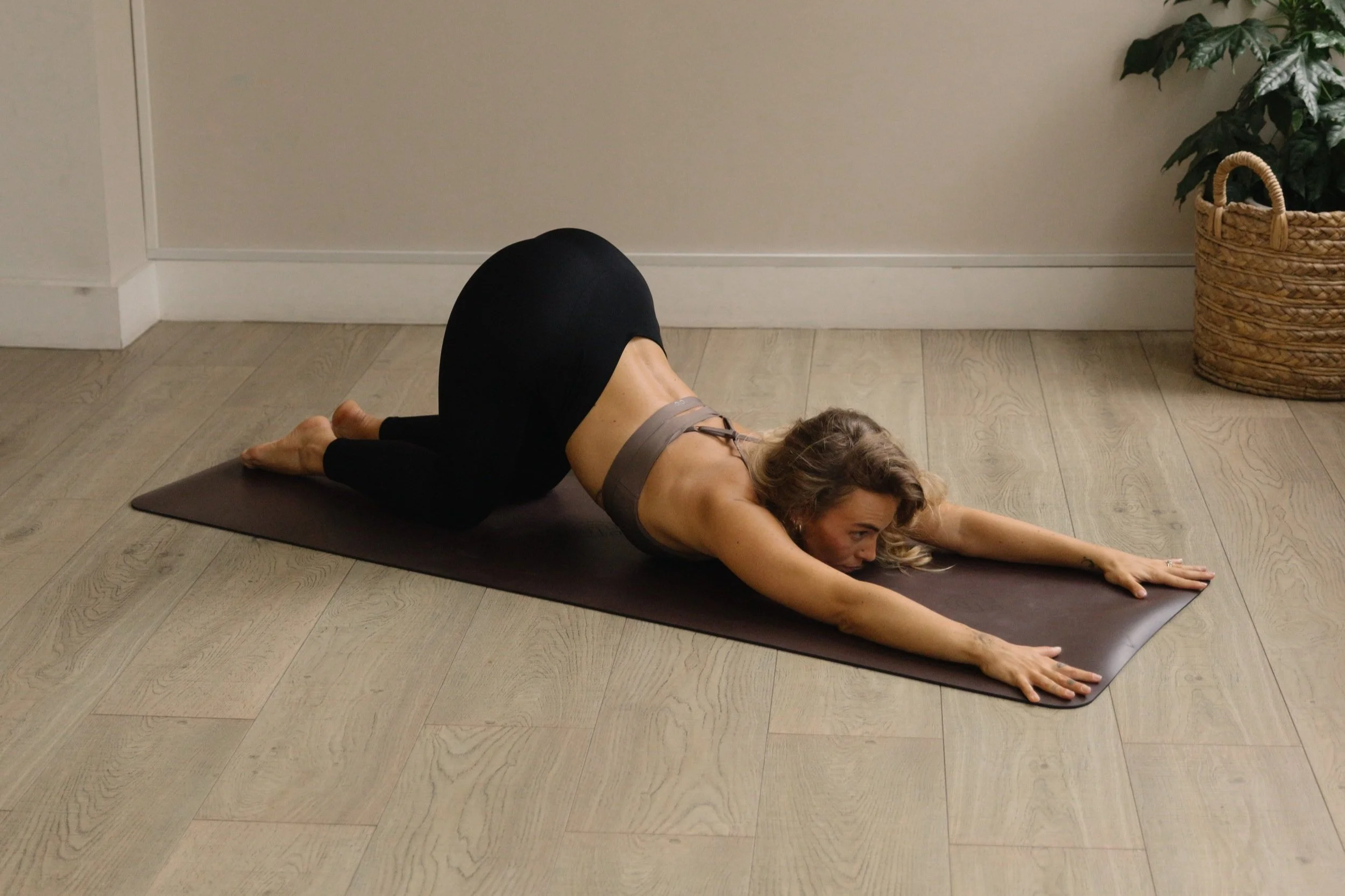
2. Puppy Pose
Keep your hips stacked above your knees and stretch your arms forward, allowing your chest to drop toward the floor. This opens up the chest, shoulders, and upper spine beautifully.
Back and Core
1. Cat-Cow
If your back feels tight, this flow is a go-to! Start in tabletop, arching the spine (Cow) as you inhale and rounding the back (Cat) as you exhale. This pose improves flexibility in the spine and releases tension.


2. Sphinx Pose
Lying face down, prop yourself up on your forearms with elbows under your shoulders. Gently lift your chest, keeping your lower belly active to protect your back. This pose strengthens and lengthens the lower back.
Hips and Glutes
1. Pigeon Pose
A deep hip opener, Pigeon is your friend if your hips feel tight. From Downward Dog, bring one knee towards the same side wrists and lower your hips. Keep your back leg extended and rest your upper body on the mat or stay more upright - whatever feels best!

2. Garland Pose
Sit into a squat with your feet wide, heels grounded, and hands in prayer at your chest. This deep squat opens the hips and stretches the groin and lower back.
Legs and Hamstrings
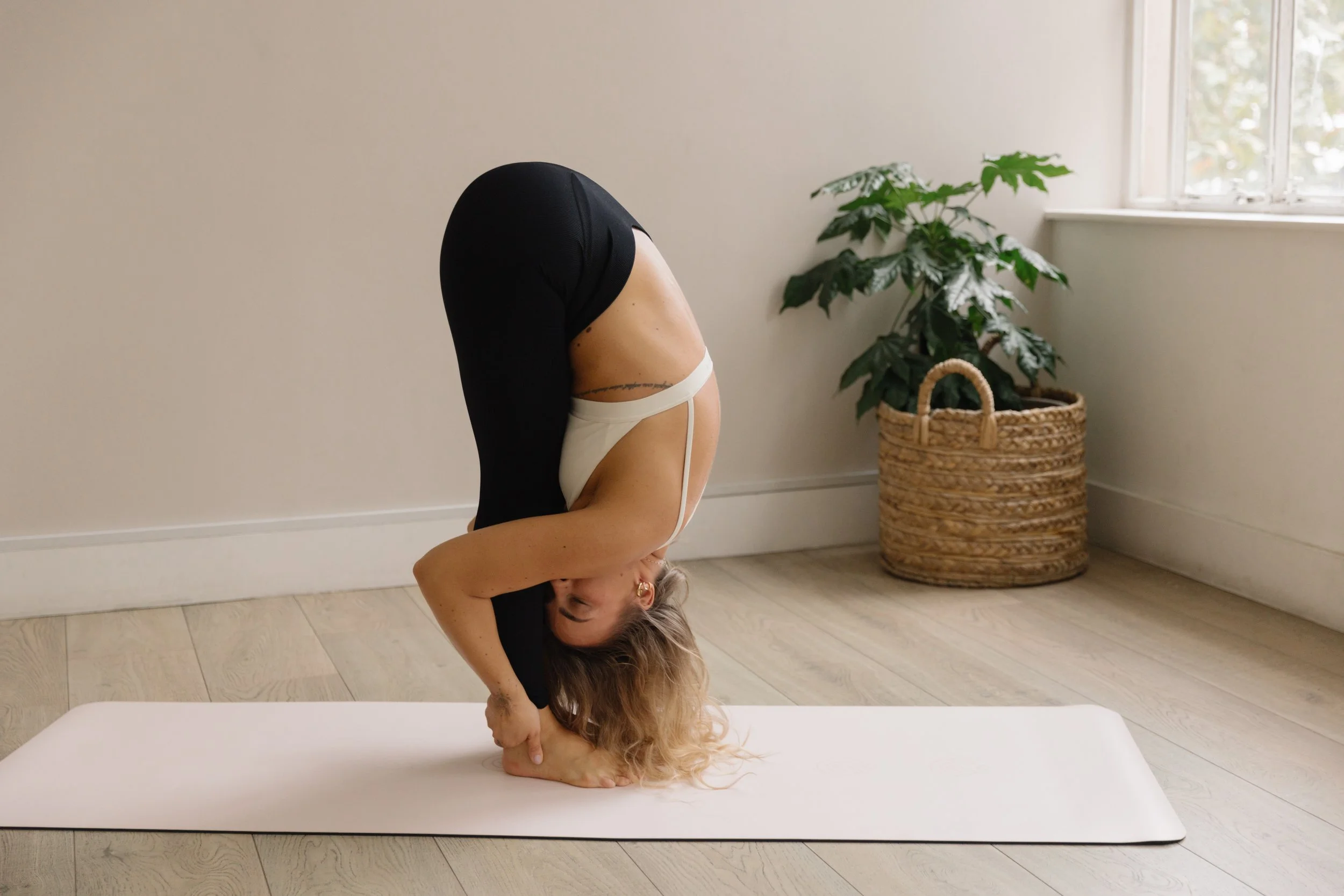
1. Forward Fold
From standing, hinge at your hips and fold forward, letting your head and arms hang heavy. Feel the stretch through the back of your legs, and don’t worry if your knees bend - this isn’t about touching your toes, but about lengthening your hamstrings.
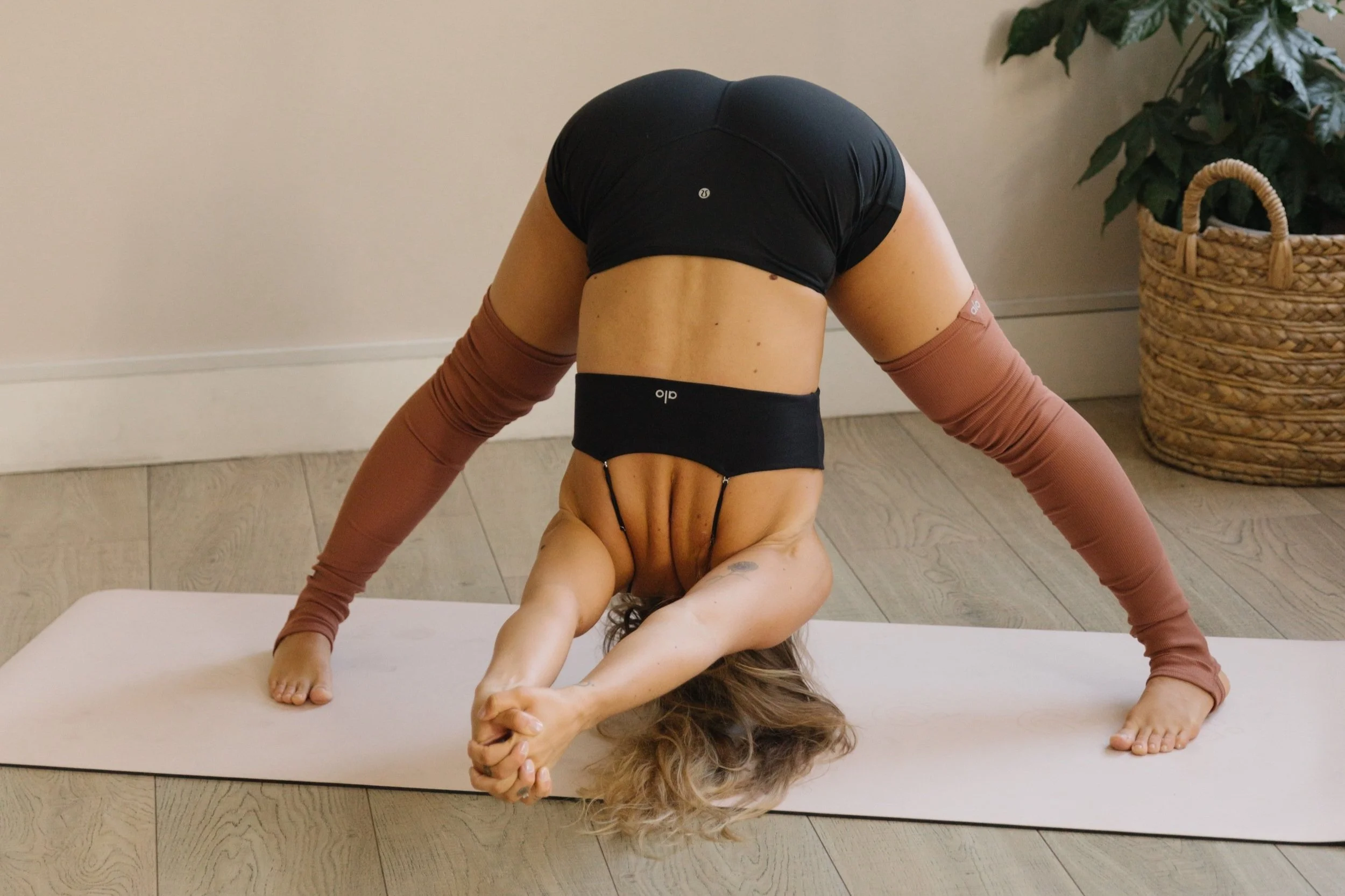
2. Wide-Legged Forward Fold
Step your feet wide apart, hinge forward from your hips, and lower your hands to the mat or a block. This opens up the inner thighs and hamstrings.
Ankles and Feet
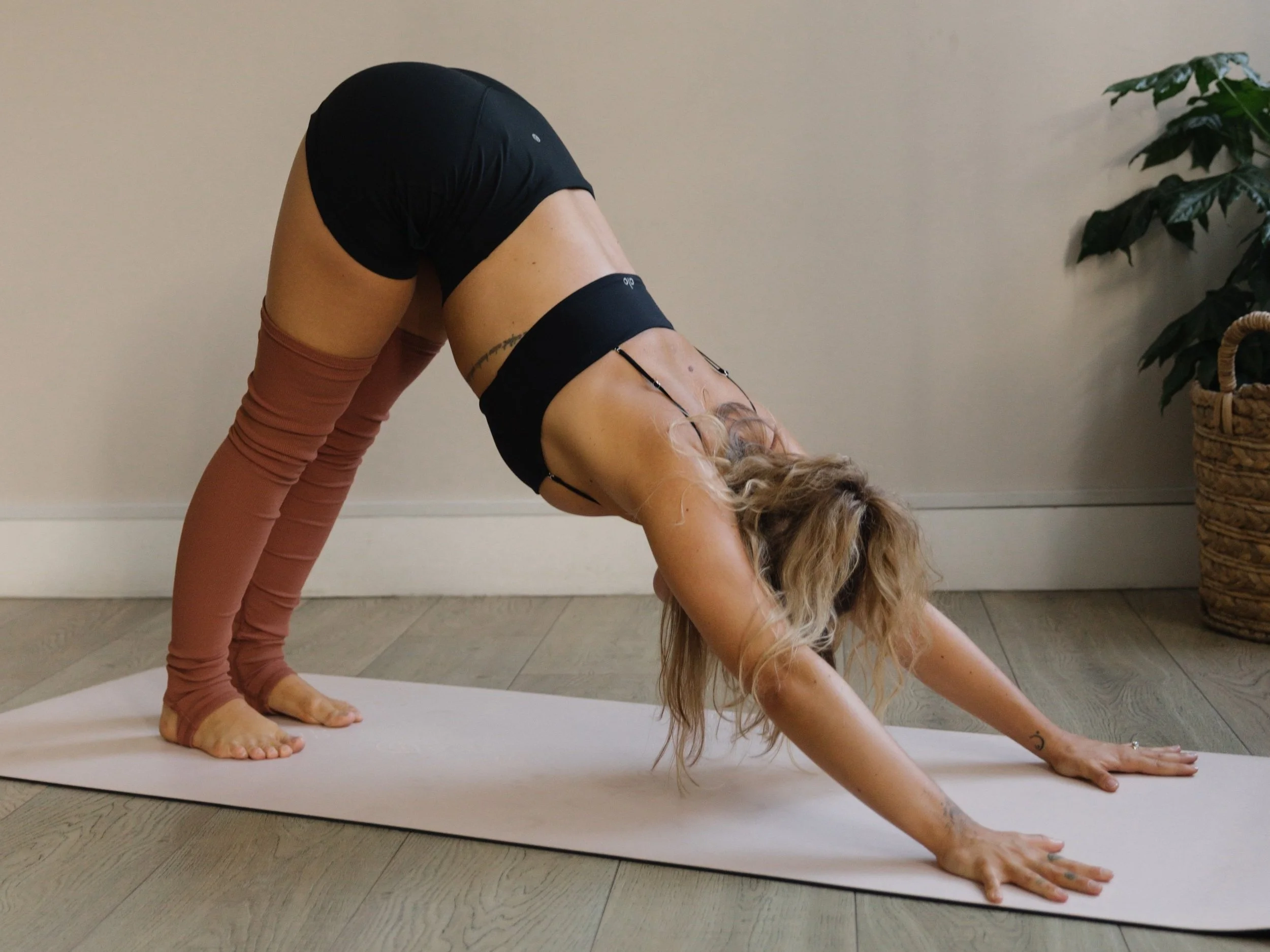
1. Downward Dog
A classic for a reason! While this pose is fantastic for many parts of the body, it also stretches the calves, hamstrings, and Achilles tendons. Don’t be afraid to bend your knees and pedal out your feet to warm up those ankles.
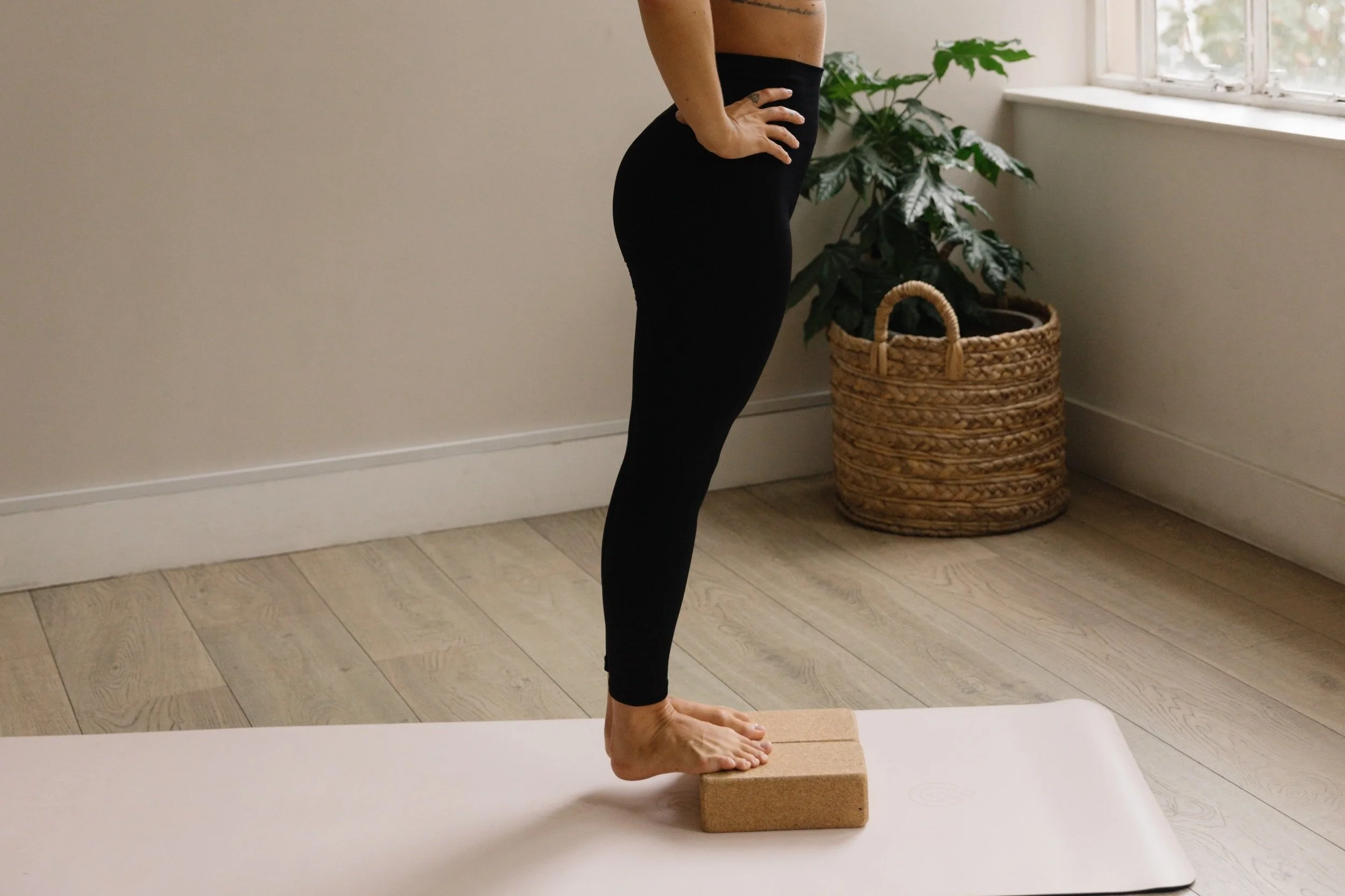
2. Heels Over a Block
Stand with your toes on a block or step, allowing your heels to hang off the edge. Slowly lower your heels toward the ground to stretch your calves and Achilles tendons. For an extra stretch, try pedalling your feet: pressing one heel down while bending the other knee, then switching.
Putting It All Together: A Simple Flow to Boost Flexibility
Here’s a quick routine you can try to stretch your entire body:
Cat-Cow Flow – 5 rounds
Thread the Needle – Hold each side for 5 breaths
Puppy Pose – Hold for 5 breaths
Pigeon Pose – Hold each side for 10 breaths
Forward Fold – Hold for 5 breaths
Garland Pose – Hold for 5 breaths
Wide-Legged Forward Fold – Hold for 5 breaths
Sphinx Pose – Hold for 5 breaths
Downward Dog – Hold for 5 breaths
Heels Over A Block – Hold both heels down for 5 breaths
The whole flow can take as little as 10 minutes, but you can stay longer in each pose if you have time to spare. Just remember to listen to your body and let go of any expectations. Yoga isn’t a race, and there’s no “perfect” way to be flexible. You’ll notice improvements in how you feel the more you practice, and that’s what really counts.
Tips for Improving Flexibility Through Yoga
Warm Up: before diving into deep stretches, it’s important to warm up your body with some gentle movement to get your blood flowing. Sun Salutations C (the ones with lunges!) are a great way to start.
Use Props: blocks, straps, and blankets can make poses more accessible, especially if you're working with tight muscles.
Stay Consistent: flexibility won’t come overnight, but with regular practice, you'll notice gradual improvements. Try to dedicate a few minutes every day to stretching and lengthening.
Breathe: your breath is your best friend when it comes to flexibility. As you inhale, create space in your body. As you exhale, allow yourself to sink deeper into the pose.
Be Patient: it’s easy to get frustrated if you’re not instantly flexible. Remember that yoga is a journey, not a destination.
Incorporating these flexibility-boosting poses into your yoga practice is a simple way to move with more freedom and comfort. Whether you’re looking to touch your toes or just want to feel less stiff, these stretches will help you loosen up and improve your range of motion. So grab your mat, take a deep breath, and give your body the space it deserves to stretch and release!
What’s your go-to yoga pose for flexibility? Let me know in the comments!

How to Improve Your Sleep: Simple Tips for a Good Night's Rest
Tired of restless nights and groggy mornings? Discover how to improve your sleep with these practical tips. From creating a sleep-friendly environment to incorporating relaxation techniques like meditation and breathwork, this guide offers simple, actionable advice to help you fall asleep faster and wake up feeling refreshed. Say goodbye to tossing and turning and hello to better sleep!
We all know that feeling of tossing and turning, staring at the ceiling, and wondering why sleep feels so elusive. Whether it’s stress, a busy mind, or just not being able to get comfy, poor sleep can really mess with your day. But here’s the good news: there are some small, simple changes you can make to help you drift off faster and wake up feeling refreshed.
Here’s how to create the perfect bedtime routine for you.
Create a Sleep-Friendly Space
Your bedroom should be your sleep sanctuary. Think of it as your personal relaxation zone, free from distractions. Here’s how to set it up:
- Cool and dark: keep the room slightly cool and as dark as possible. Blackout curtains or an eye mask can work wonders.
- Noise control: if sounds keep you up, try a white noise machine or a fan to drown out background noise. Earplugs can also be a great investment.
- Comfortable bedding: your mattress and pillows make a big difference. Find ones that support your sleep style, whether you’re a side sleeper, back sleeper, or somewhere in between.
Establish a Consistent Sleep Schedule
Our bodies love routine, and going to bed and waking up at the same time every day (yes, even on weekends) can really help regulate your internal clock. If you’re trying to reset, start small by adjusting your bedtime in 15-minute increments until you find your ideal window.
Wind Down with a Pre-Sleep Routine
Your brain needs time to switch from “on” to “off.” An hour before bed, start winding down with calming activities like:
- Reading or journaling: grab a book or jot down your thoughts to clear your mind.
- Stretch or gentle movement: a few easy stretches or light yoga can help release tension.
- Warm bath or shower: the drop in body temperature after getting out of a warm bath signals your body that it’s time for sleep.
Limit Screen Time Before Bed
The blue light from phones, tablets, and computers can mess with your body’s production of melatonin, the sleep hormone. Try setting a “tech curfew” an hour before bed and swap screen time for something more relaxing, like reading or listening to a podcast.
Watch What You Eat and Drink
What you consume throughout the day, especially in the hours leading up to bedtime, can impact your sleep:
- Caffeine and alcohol: limit caffeine after lunchtime and avoid alcohol close to bedtime; both can disrupt your sleep cycle.
- Heavy meals: eating large meals right before bed can cause discomfort. If you’re hungry, opt for a light snack like yogurt, a banana, or a handful of nuts.
Try Relaxation Techniques
If your mind races when your head hits the pillow, try calming techniques to ease into sleep:
- Breathing exercises: try the 4-7-8 technique: breathe in for 4 seconds, hold for 7, and exhale for 8. Repeat a few times to relax your nervous system.
- Guided meditations or sleep stories: apps like Calm, Insight Timer, or Headspace offer guided meditations and sleep stories that can help you wind down.
Get Moving During the Day
Exercise isn’t just good for your body—it’s great for your sleep, too. Regular physical activity can help you fall asleep faster and enjoy deeper sleep. Just try not to work out too close to bedtime, as it can have the opposite effect for some.
Manage Stress and Anxiety
If stress and worry keep you up at night, finding ways to manage them during the day can make a big difference:
- Meditation: a few minutes of meditation daily can help calm your mind and reduce anxiety. Even just focusing on your breath for a few moments can create a sense of peace. Yoga Nidra is great for finding full relaxation.
- Breathwork: techniques like box breathing (inhale for 4, hold for 4, exhale for 4, hold for 4) can help slow your heart rate and relax your mind before bed.
- Set aside worry time: allow yourself a few minutes during the day to jot down what’s on your mind. This helps prevent the bedtime brain dump.
- Practice gratitude: write down three things you’re grateful for before bed. It shifts your focus and calms your mind.
Get Outside
Natural light helps regulate your body’s internal clock, so try to get outside during the day, even if it’s just for a short walk. Morning light exposure is particularly helpful for setting your circadian rhythm.

Better sleep isn’t about perfection—it’s about making small, positive changes that add up over time. Try incorporating a few of these tips into your routine and see what works best for you. Sweet dreams!

Embrace the Best of Both Worlds: The Power of Hybrid Training with Yoga and Barre
The way I move my body is always evolving as I grow and evolve too.
In the past couple of years I've discovered that the best and most fun way for me to move is through hybrid training. By blending different exercise disciplines, I can create a balanced and fulfilling workout experience.
So today, I want to share with you why combining yoga and barre, particularly my unique mix of Pilates and strength training, is the way to go. Let's delve into how these two forms of exercise complement each other and enhance our fitness journey.
The way I move my body is always evolving as I grow and evolve too.
In the past couple of years I've discovered that the best and most fun way for me to move is through hybrid training. By blending different exercise disciplines, I can create a balanced and fulfilling workout experience.
So today, I want to share with you why combining yoga and barre, particularly my unique mix of Pilates and strength training, is the way to go. Let's delve into how these two forms of exercise complement each other and enhance our fitness journey.
The Harmony of Yoga
Yoga has always been a cornerstone of my fitness routine. Its ability to cultivate mindfulness, flexibility, and overall well-being is unparalleled. Here’s what I love about yoga:
Mind-Body Connection: Yoga fosters a profound connection between the mind and body. Through controlled breathing and meditative practices, I find it reduces stress and enhances mental clarity. This connection helps me stay grounded and focused, both on and off the mat.
Flexibility and Balance: Regular yoga practice significantly improves flexibility and balance, essential components for a well-rounded fitness routine. These improvements not only reduce the risk of injury but also enhance overall physical performance.
Core Strength: Many yoga poses emphasize core engagement, promoting a strong and stable center. A strong core supports all physical activities, from daily tasks to intense workouts.
The Strength of Barre
In my barre classes, which draw inspiration from Pilates and strength training, I focus on building functional strength and stability. Here’s why I believe barre is a fantastic addition to any fitness regimen:
Functional Strength: Barre exercises target multiple muscle groups through compound movements, building functional strength that supports everyday activities. This type of strength is practical and enhances overall physical capability.
Muscle Endurance: High repetitions with low resistance in barre exercises build muscle endurance. This approach helps in developing long, lean muscles that are strong and resilient.
Posture and Alignment: Proper form and alignment are crucial in barre, leading to improved posture and a more balanced physique. Good posture is not just about looking confident; it’s also about maintaining a healthy spine and reducing the risk of musculoskeletal issues.
The Synergy of Yoga and Barre
Combining yoga and barre creates a holistic workout regimen that leverages the benefits of both disciplines. Here’s how I find they complement each other perfectly:
Balanced Workouts: Yoga enhances flexibility and balance, while barre builds functional strength and endurance. Together, they create a comprehensive fitness routine that addresses multiple aspects of physical health.
Mindful Strength: The mindfulness cultivated in yoga pairs beautifully with the strength and alignment focus of barre. This combination helps me stay present and engaged during my workouts, making each session more effective and enjoyable.
Enhanced Recovery: The flexibility and relaxation gained from yoga aid in recovery from more intense barre sessions. This synergy keeps me feeling refreshed and minimizes the risk of overuse injuries.
Embracing Hybrid Training
I'm passionate about hybrid training because it offers the best of both worlds. By integrating yoga and barre into my fitness routine, I achieve a harmonious balance that nurtures both my mind and body. This approach not only enhances physical fitness but also promotes mental well-being and overall life satisfaction.
I invite you to join me in experiencing the benefits of this powerful combination for yourself. Embrace the best of both worlds and take your fitness journey to new heights with yoga and barre hybrid training.
Stay balanced and strong,
PRACTICE WITH ME ON YOUTUBE
Guided Grounding Meditation for Inner Peace
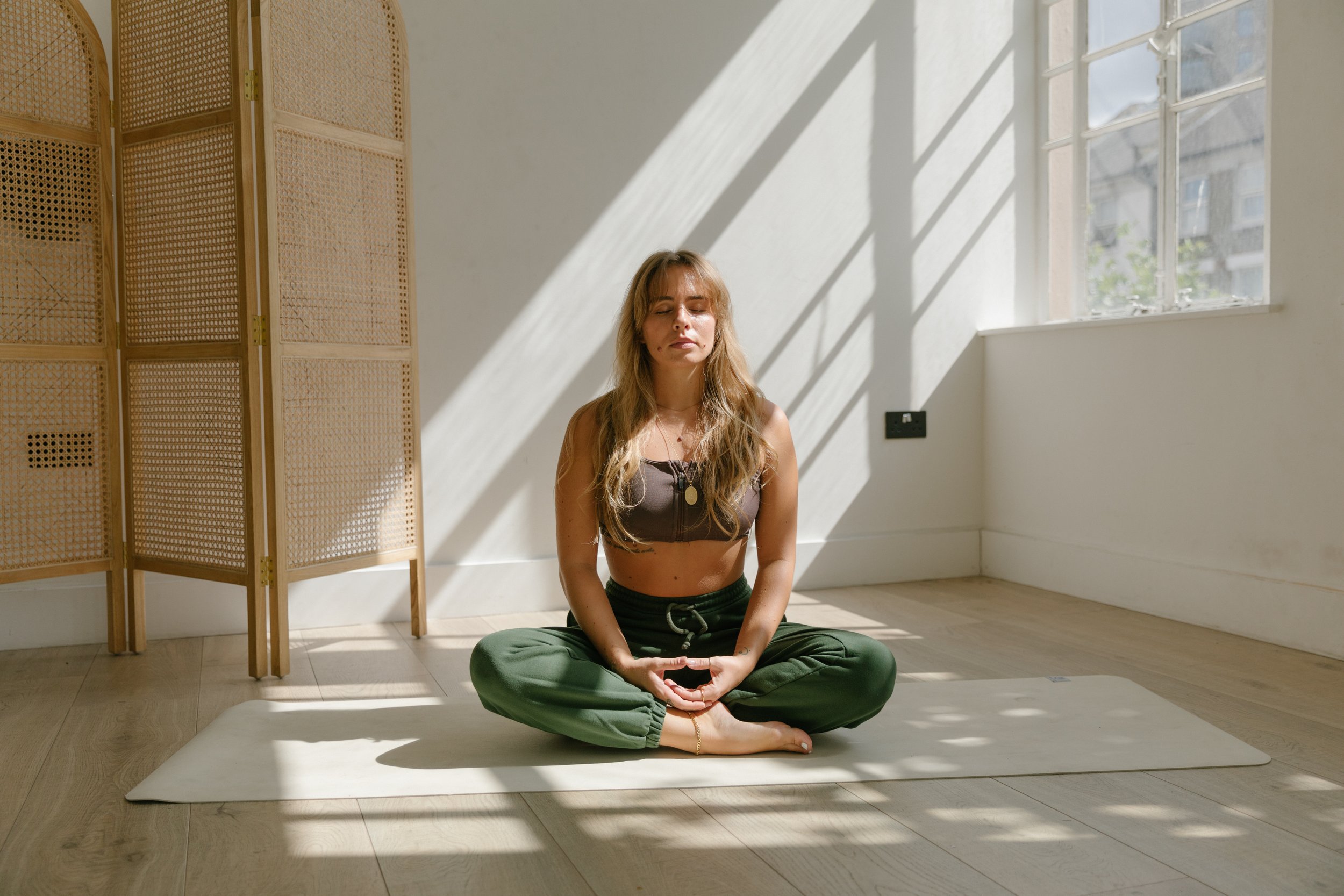
In the hustle and bustle of our daily lives, finding a moment of peace can be a precious gift to ourselves. Amidst the chaos, taking time to ground our energy and reconnect with the present moment is essential for our overall well-being.
Today, I invite you on a journey within through a guided grounding meditation—a practice that can bring about a sense of calm, clarity, and inner peace.
In the hustle and bustle of our daily lives, finding a moment of peace can be a precious gift to ourselves. Amidst the chaos, taking time to ground our energy and reconnect with the present moment is essential for our overall well-being.
Today, I invite you on a journey within through a guided grounding meditation—a practice that can bring about a sense of calm, clarity, and inner peace.
Incorporating a guided grounding meditation into your routine can be a powerful tool for cultivating inner peace and resilience. By regularly reconnecting with the present moment and grounding your energy, you can navigate life's challenges with a greater sense of calm and clarity.
Remember, the journey within is an ongoing practice, and each session is an opportunity to nurture your mind, body, and spirit. Take this practice with you into your day, and may you find peace in the simplicity of being present.


Managing Holiday Stress and Self-Care
Discover practical self-care strategies to manage holiday stress and embrace the true spirit of the season. Learn to set boundaries, simplify gift-giving, and prioritize your well-being for a joyous and peaceful holiday experience.
Embrace the Joy of the Season by Prioritizing Your Well-being
The holiday season is often portrayed as a time of joy, love, and togetherness. While these sentiments hold true, the reality is that the holidays can also bring a fair share of stress and anxiety. The pressure to create the perfect celebrations, manage family dynamics, and stay on top of numerous tasks can easily become overwhelming. However, by practicing self-care, you can transform this chaotic time into one of genuine joy and inner peace.

Recognize the Stressors:
before delving into self-care strategies, it's essential to acknowledge the sources of holiday stress. Common stressors during this time may include:
1. Gift Shopping: Finding the perfect gifts for loved ones can be time-consuming and costly.
2. Family Expectations: balancing the expectations of various family members can be challenging.
3. Financial Pressure: the holidays often come with extra expenses, which can strain your budget.
4. Overcommitment: an abundance of social gatherings and events can lead to exhaustion.
5. Perfectionism: striving for the "perfect" holiday experience can create unnecessary stress.
Prioritize Self-Care:
To ensure your well-being during the holidays, make self-care a priority. Here are some effective strategies to help you manage holiday stress and embrace the season's true spirit:
1. Set Boundaries: learn to say no and establish clear boundaries to avoid overcommitting. It's okay to decline invitations and requests that may lead to overwhelm.
2. Practice Mindfulness: take time for mindfulness exercises, like deep breathing and meditation, to center yourself and reduce anxiety.
Find guided meditations and breathwork on my YouTube channel.
3. Simplify Gift-Giving: consider alternatives to traditional gift-giving, such as DIY gifts or setting spending limits. Focus on the thought and love behind the gifts rather than their cost.
4. Delegate Tasks: share the holiday workload with family members or friends. Hosting a holiday dinner, for example, doesn't have to fall solely on your shoulders.
5. Take Short Breaks: schedule short breaks to relax and recharge during busy days. Even a few minutes of stillness can make a significant difference.
6. Stay Active: physical activity can help reduce stress and improve your mood. Even a brisk walk or quick home workout can provide a much-needed energy boost.
A 20 minutes Full Body Flow can work wonders!
7. Connect with Loved Ones: reach out to friends and family for support and understanding. Share your feelings and concerns with those you trust.
8. Celebrate Your Achievements: don't strive for perfection. Instead, celebrate your accomplishments and the joy of the holiday season, no matter how big or small.
Make Self-Care a Tradition:
Holiday self-care doesn't have to be a one-time occurrence. Consider making it a holiday tradition that you look forward to each year. You can even involve your loved ones in these self-care practices, promoting a healthier and happier holiday experience for all.
In conclusion, managing holiday stress and practicing self-care is essential for a joyous and peaceful holiday season. By setting boundaries, simplifying your approach, and prioritizing self-care, you can truly embrace the spirit of the holidays while taking care of your well-being. Remember, the holidays are about love, gratitude, and togetherness, and self-care plays a crucial role in achieving that.
May your holidays be filled with warmth, love, and the serenity that comes from caring for yourself.
Sign up for upcoming self-care events:
