
Your Relationship with Movement: How to Make It Joyful Again
Movement isn’t meant to be punishment. In this post, we explore how to untangle from the pressure and reconnect with joyful, intuitive ways of moving your body.
Movement is supposed to feel good.
Not punishing. Not performative. Not something you force yourself through just to feel “worthy” after.
And yet, so many of us have a complicated relationship with it.
We’ve tied it to appearance, discipline, numbers, or control.
We’ve let apps and trackers decide what counts.
We’ve learned to ignore how we feel in favour of how we should move.
But you don’t have to stay stuck in that pattern.
You’re allowed to begin again — with softness, curiosity, and joy.
How movement became a “should”
For years, I associated movement with effort and achievement. It had to be sweaty, structured, or intense to be valid.
Restorative practices made me feel guilty. Modifications made me feel like I wasn’t doing enough.
And if I wasn’t in a “perfect” rhythm with workouts? Cue the shame spiral.
Sound familiar?
So many women have inherited this mindset — that movement is only valuable if it’s changing our bodies, burning calories, or proving something.
But here's what’s true: you don’t need to earn your worth through exercise.
Your body isn’t a project.
And movement isn’t a punishment for what you ate.
Rebuilding a joyful relationship with movement
Joyful movement starts with listening. Not to your to-do list or your inner critic, but to your body.
It’s a practice of reconnecting — of tuning in and asking:
What would feel good today?
What kind of energy do I have?
Do I need to release, to ground, or to soften?
Some days, that might look like dancing in your living room.
Other days, it might be a gentle yoga flow, a strength-based barre session, or a slow walk in nature.
Joyful movement isn’t a one-size-fits-all approach. It’s personal. It’s seasonal. It’s yours.
Try this 3-step reconnection practice:
Check in (before you move):
Close your eyes, place your hand on your chest or belly, and ask: How do I feel right now?Choose with kindness:
Based on that check-in, choose a movement practice that feels supportive — not punishing.Reflect (after):
Take 30 seconds to notice: How do I feel now? What shifted?
This builds trust and reinforces the connection with your body’s cues.
5 Yoga Poses to Improve Your Sleep Tonight
Struggling to get restful sleep? You’re not alone.
The stress and busyness of daily life can make it hard for our minds and bodies to unwind. Yoga can be a gentle and effective way to slow down, release tension, and create space for deep relaxation. Here are five simple yoga poses you can try tonight to help you drift into a peaceful, restorative sleep.
Struggling to get restful sleep? You’re not alone.
The stress and busyness of daily life can make it hard for our minds and bodies to unwind. Yoga can be a gentle and effective way to slow down, release tension, and create space for deep relaxation. Here are five simple yoga poses you can try tonight to help you drift into a peaceful, restorative sleep.
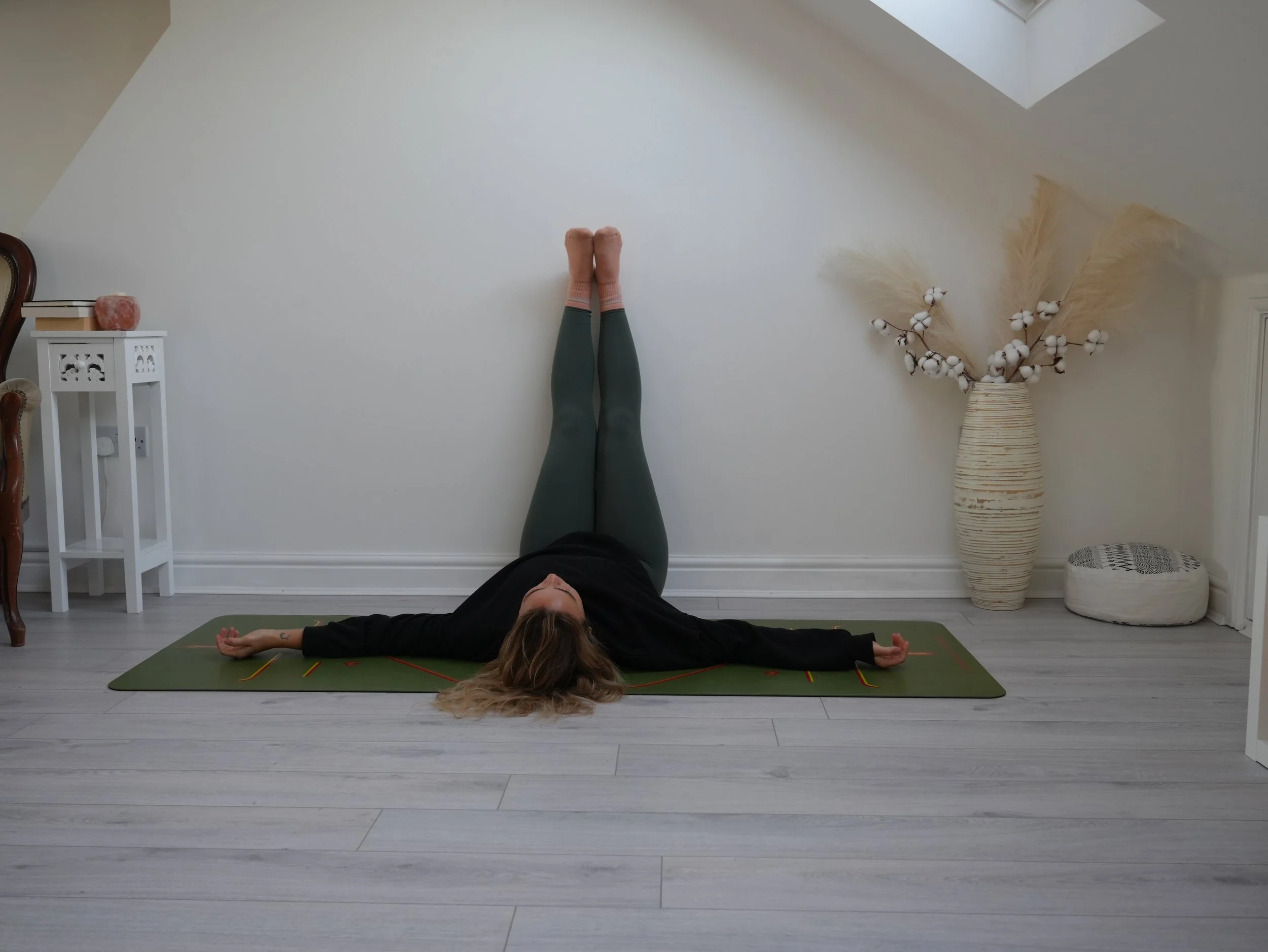
1. Legs Up the Wall (Viparita Karani)
This calming pose can help relieve tired legs, reduce tension, and bring a sense of calm to your entire body. It’s ideal for winding down and letting go of any lingering stress from your day.
How to Do It: sit sideways against a wall, swing your legs up onto it, and rest your head and back on the floor. Let your arms relax by your sides, palms facing up.
Breathe & Relax: stay here for 5-10 minutes, breathing deeply. Focus on releasing any tension with each exhale.

2. Child’s Pose (Balasana)
Child’s Pose is all about comfort. It gently stretches your back and shoulders, which can hold a lot of tension from daily activities. This pose encourages relaxation and a gentle feeling of surrender.
How to Do It: kneel on the floor, bring your big toes together, and sit back on your heels. Fold forward, reaching your arms out in front of you or letting them rest by your sides.
Breathe & Relax: breathe deeply here for 3-5 minutes, focusing on the natural rise and fall of your breath.

3. Reclined Butterfly (Supta Baddha Konasana)
This pose opens the hips and releases tension in the inner thighs while allowing you to relax fully on your back. It’s grounding, relaxing, and helps calm the nervous system.
How to Do It: lie down on your back, bring the soles of your feet together, and let your knees fall open, creating a diamond shape with your legs. Rest your arms by your sides, palms up.
Breathe & Relax: breathe deeply, feeling your belly expand with each inhale. Hold for 3-5 minutes.
4. Cat-Cow Pose (Marjaryasana-Bitilasana)
If you’ve been sitting for long hours, Cat-Cow Pose can release tension in your spine, neck, and shoulders. This gentle flow of movement is great for soothing the nervous system and preparing your body for rest.
How to Do It: start on your hands and knees. On an inhale, drop your belly, arch your back, and look up (Cow Pose). Exhale, round your spine, tuck your chin, and pull your navel toward your spine (Cat Pose).
Breathe & Relax: move slowly through 10-15 rounds, syncing your breath with each movement.


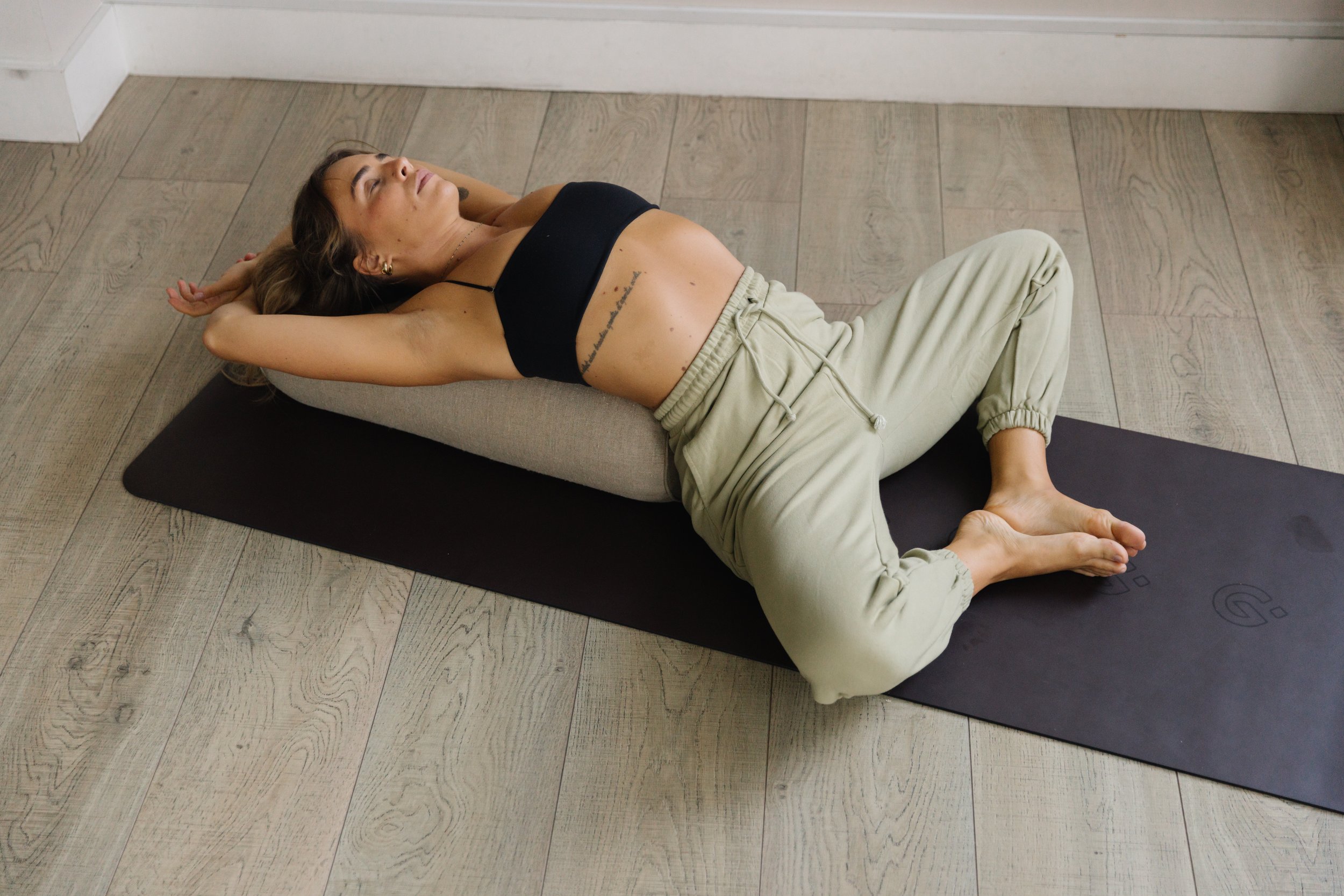
5. Supine Twist (Supta Matsyendrasana)
This gentle twist can help release any final tension lingering in your back, shoulders, and hips. It’s perfect for grounding and letting go as you prepare for sleep.
How to Do It: lie on your back and hug your knees to your chest. Let both knees fall to one side, and extend your arms out in a T-shape, with your gaze gently turning in the opposite direction.
Breathe & Relax: hold for 1-2 minutes on each side, breathing deeply into the twist and letting go of any stress or tightness.


Tips for Using These Poses to Wind Down:
Try moving through these poses as a gentle flow before bed, or choose a few that feel most relaxing to you. Dim the lights, play some calming music if you like, and focus on your breath as you move through each pose.
Incorporating these simple, soothing poses into your nighttime routine can help you slow down, release tension, and invite a deeper, more restful sleep. Sweet dreams! 💤

Introduction to Mindfulness: What It Is and How It Can Benefit You
But what exactly is mindfulness, and how can it benefit your mental and physical health? If you’re new to the concept, this beginner’s guide will help you understand mindfulness and how incorporating it into your routine can make a significant difference.
In a world that often feels chaotic and fast-paced, finding moments of calm can be challenging. Mindfulness offers a way to ground yourself and find peace amidst the hustle and bustle of daily life.
But what exactly is mindfulness, and how can it benefit your mental and physical health? If you’re new to the concept, this beginner’s guide will help you understand mindfulness and how incorporating it into your routine can make a significant difference.

What is Mindfulness?
At its core, mindfulness is the practice of paying attention to the present moment without judgment. It involves becoming fully aware of your thoughts, feelings, and sensations, as well as your surroundings, right here and now. Mindfulness encourages you to observe your experiences as they unfold, rather than getting caught up in past regrets or future anxieties.
While mindfulness has roots in ancient contemplative traditions, especially within Buddhism, it has become increasingly popular in modern wellness practices. Today, mindfulness is used not only for spiritual growth but also as a tool for enhancing overall well-being.

How to Practice Mindfulness
Practicing mindfulness doesn’t require any special equipment or a lot of time. Here are some simple ways to get started:
Mindful Breathing: focus on your breath. Pay attention to the sensation of air entering and leaving your body. If your mind wanders, gently bring your focus back to your breath.
Body Scan: sit or lie down comfortably. Slowly move your attention through different parts of your body, noticing any sensations or areas of tension without trying to change them.
Mindful Eating: eat slowly and savour each bite. Pay attention to the flavours, textures, and smells of your food. This can help you develop a more conscious relationship with eating.
Mindful Walking: take a walk and notice the sensation of your feet touching the ground, the sounds around you, and the sights you encounter. Stay present with each step you take.
Benefits of Mindfulness
Integrating mindfulness into your daily life can lead to a variety of mental and physical health benefits:
Reduced Stress: mindfulness can help you manage stress more effectively by encouraging a focus on the present moment, which reduces the impact of stressors.
Improved Focus: regular mindfulness practice can enhance your concentration and attention span, helping you stay focused on tasks and improve productivity.
Better Emotional Regulation: by becoming more aware of your emotions, mindfulness helps you respond to them in a more balanced way, reducing instances of emotional reactivity.
Enhanced Self-Awareness: mindfulness fosters a deeper understanding of yourself, including your thoughts, feelings, and behaviors. This self-awareness can lead to personal growth and improved relationships.
Improved Physical Health: studies have shown that mindfulness can lower blood pressure, improve sleep, and boost the immune system. By reducing stress, mindfulness also helps in managing chronic pain and other health conditions.
Greater Overall Well-Being: mindfulness can contribute to a greater sense of well-being and happiness by promoting a positive outlook and reducing feelings of anxiety and depression.
Getting Started with Mindfulness
Starting a mindfulness practice doesn’t have to be overwhelming. Begin with just a few minutes each day, and gradually increase the time as you become more comfortable. There are also many resources available, including apps, books, and online courses, to help guide you on your mindfulness journey.
Remember, mindfulness is a skill that develops with practice. Be patient with yourself and approach your practice with an open mind and heart. Over time, you may find that mindfulness brings a new level of peace, clarity, and joy into your life.
So, why not give it a try? Embrace the present moment and discover the benefits of mindfulness for yourself.

How to Improve Your Sleep: Simple Tips for a Good Night's Rest
Tired of restless nights and groggy mornings? Discover how to improve your sleep with these practical tips. From creating a sleep-friendly environment to incorporating relaxation techniques like meditation and breathwork, this guide offers simple, actionable advice to help you fall asleep faster and wake up feeling refreshed. Say goodbye to tossing and turning and hello to better sleep!
We all know that feeling of tossing and turning, staring at the ceiling, and wondering why sleep feels so elusive. Whether it’s stress, a busy mind, or just not being able to get comfy, poor sleep can really mess with your day. But here’s the good news: there are some small, simple changes you can make to help you drift off faster and wake up feeling refreshed.
Here’s how to create the perfect bedtime routine for you.
Create a Sleep-Friendly Space
Your bedroom should be your sleep sanctuary. Think of it as your personal relaxation zone, free from distractions. Here’s how to set it up:
- Cool and dark: keep the room slightly cool and as dark as possible. Blackout curtains or an eye mask can work wonders.
- Noise control: if sounds keep you up, try a white noise machine or a fan to drown out background noise. Earplugs can also be a great investment.
- Comfortable bedding: your mattress and pillows make a big difference. Find ones that support your sleep style, whether you’re a side sleeper, back sleeper, or somewhere in between.
Establish a Consistent Sleep Schedule
Our bodies love routine, and going to bed and waking up at the same time every day (yes, even on weekends) can really help regulate your internal clock. If you’re trying to reset, start small by adjusting your bedtime in 15-minute increments until you find your ideal window.
Wind Down with a Pre-Sleep Routine
Your brain needs time to switch from “on” to “off.” An hour before bed, start winding down with calming activities like:
- Reading or journaling: grab a book or jot down your thoughts to clear your mind.
- Stretch or gentle movement: a few easy stretches or light yoga can help release tension.
- Warm bath or shower: the drop in body temperature after getting out of a warm bath signals your body that it’s time for sleep.
Limit Screen Time Before Bed
The blue light from phones, tablets, and computers can mess with your body’s production of melatonin, the sleep hormone. Try setting a “tech curfew” an hour before bed and swap screen time for something more relaxing, like reading or listening to a podcast.
Watch What You Eat and Drink
What you consume throughout the day, especially in the hours leading up to bedtime, can impact your sleep:
- Caffeine and alcohol: limit caffeine after lunchtime and avoid alcohol close to bedtime; both can disrupt your sleep cycle.
- Heavy meals: eating large meals right before bed can cause discomfort. If you’re hungry, opt for a light snack like yogurt, a banana, or a handful of nuts.
Try Relaxation Techniques
If your mind races when your head hits the pillow, try calming techniques to ease into sleep:
- Breathing exercises: try the 4-7-8 technique: breathe in for 4 seconds, hold for 7, and exhale for 8. Repeat a few times to relax your nervous system.
- Guided meditations or sleep stories: apps like Calm, Insight Timer, or Headspace offer guided meditations and sleep stories that can help you wind down.
Get Moving During the Day
Exercise isn’t just good for your body—it’s great for your sleep, too. Regular physical activity can help you fall asleep faster and enjoy deeper sleep. Just try not to work out too close to bedtime, as it can have the opposite effect for some.
Manage Stress and Anxiety
If stress and worry keep you up at night, finding ways to manage them during the day can make a big difference:
- Meditation: a few minutes of meditation daily can help calm your mind and reduce anxiety. Even just focusing on your breath for a few moments can create a sense of peace. Yoga Nidra is great for finding full relaxation.
- Breathwork: techniques like box breathing (inhale for 4, hold for 4, exhale for 4, hold for 4) can help slow your heart rate and relax your mind before bed.
- Set aside worry time: allow yourself a few minutes during the day to jot down what’s on your mind. This helps prevent the bedtime brain dump.
- Practice gratitude: write down three things you’re grateful for before bed. It shifts your focus and calms your mind.
Get Outside
Natural light helps regulate your body’s internal clock, so try to get outside during the day, even if it’s just for a short walk. Morning light exposure is particularly helpful for setting your circadian rhythm.

Better sleep isn’t about perfection—it’s about making small, positive changes that add up over time. Try incorporating a few of these tips into your routine and see what works best for you. Sweet dreams!

Embrace the Best of Both Worlds: The Power of Hybrid Training with Yoga and Barre
The way I move my body is always evolving as I grow and evolve too.
In the past couple of years I've discovered that the best and most fun way for me to move is through hybrid training. By blending different exercise disciplines, I can create a balanced and fulfilling workout experience.
So today, I want to share with you why combining yoga and barre, particularly my unique mix of Pilates and strength training, is the way to go. Let's delve into how these two forms of exercise complement each other and enhance our fitness journey.
The way I move my body is always evolving as I grow and evolve too.
In the past couple of years I've discovered that the best and most fun way for me to move is through hybrid training. By blending different exercise disciplines, I can create a balanced and fulfilling workout experience.
So today, I want to share with you why combining yoga and barre, particularly my unique mix of Pilates and strength training, is the way to go. Let's delve into how these two forms of exercise complement each other and enhance our fitness journey.
The Harmony of Yoga
Yoga has always been a cornerstone of my fitness routine. Its ability to cultivate mindfulness, flexibility, and overall well-being is unparalleled. Here’s what I love about yoga:
Mind-Body Connection: Yoga fosters a profound connection between the mind and body. Through controlled breathing and meditative practices, I find it reduces stress and enhances mental clarity. This connection helps me stay grounded and focused, both on and off the mat.
Flexibility and Balance: Regular yoga practice significantly improves flexibility and balance, essential components for a well-rounded fitness routine. These improvements not only reduce the risk of injury but also enhance overall physical performance.
Core Strength: Many yoga poses emphasize core engagement, promoting a strong and stable center. A strong core supports all physical activities, from daily tasks to intense workouts.
The Strength of Barre
In my barre classes, which draw inspiration from Pilates and strength training, I focus on building functional strength and stability. Here’s why I believe barre is a fantastic addition to any fitness regimen:
Functional Strength: Barre exercises target multiple muscle groups through compound movements, building functional strength that supports everyday activities. This type of strength is practical and enhances overall physical capability.
Muscle Endurance: High repetitions with low resistance in barre exercises build muscle endurance. This approach helps in developing long, lean muscles that are strong and resilient.
Posture and Alignment: Proper form and alignment are crucial in barre, leading to improved posture and a more balanced physique. Good posture is not just about looking confident; it’s also about maintaining a healthy spine and reducing the risk of musculoskeletal issues.
The Synergy of Yoga and Barre
Combining yoga and barre creates a holistic workout regimen that leverages the benefits of both disciplines. Here’s how I find they complement each other perfectly:
Balanced Workouts: Yoga enhances flexibility and balance, while barre builds functional strength and endurance. Together, they create a comprehensive fitness routine that addresses multiple aspects of physical health.
Mindful Strength: The mindfulness cultivated in yoga pairs beautifully with the strength and alignment focus of barre. This combination helps me stay present and engaged during my workouts, making each session more effective and enjoyable.
Enhanced Recovery: The flexibility and relaxation gained from yoga aid in recovery from more intense barre sessions. This synergy keeps me feeling refreshed and minimizes the risk of overuse injuries.
Embracing Hybrid Training
I'm passionate about hybrid training because it offers the best of both worlds. By integrating yoga and barre into my fitness routine, I achieve a harmonious balance that nurtures both my mind and body. This approach not only enhances physical fitness but also promotes mental well-being and overall life satisfaction.
I invite you to join me in experiencing the benefits of this powerful combination for yourself. Embrace the best of both worlds and take your fitness journey to new heights with yoga and barre hybrid training.
Stay balanced and strong,
PRACTICE WITH ME ON YOUTUBE

7 Yoga Poses to Start Your Day
Yoga is not just a physical exercise; it’s a holistic practice that connects the body, mind, and spirit. Starting your day with yoga can set a positive tone for the hours ahead, promoting flexibility, strength, and a sense of calm. Whether you’re a beginner or a seasoned yogi, these five simple poses can energise your body and prepare you for whatever challenges lie ahead.
Yoga is not just a physical exercise; it’s a holistic practice that connects the body, mind, and spirit. Starting your day with yoga can set a positive tone for the hours ahead, promoting flexibility, strength, and a sense of calm. Whether you’re a beginner or a seasoned yogi, these five simple poses can energise your body and prepare you for whatever challenges lie ahead.
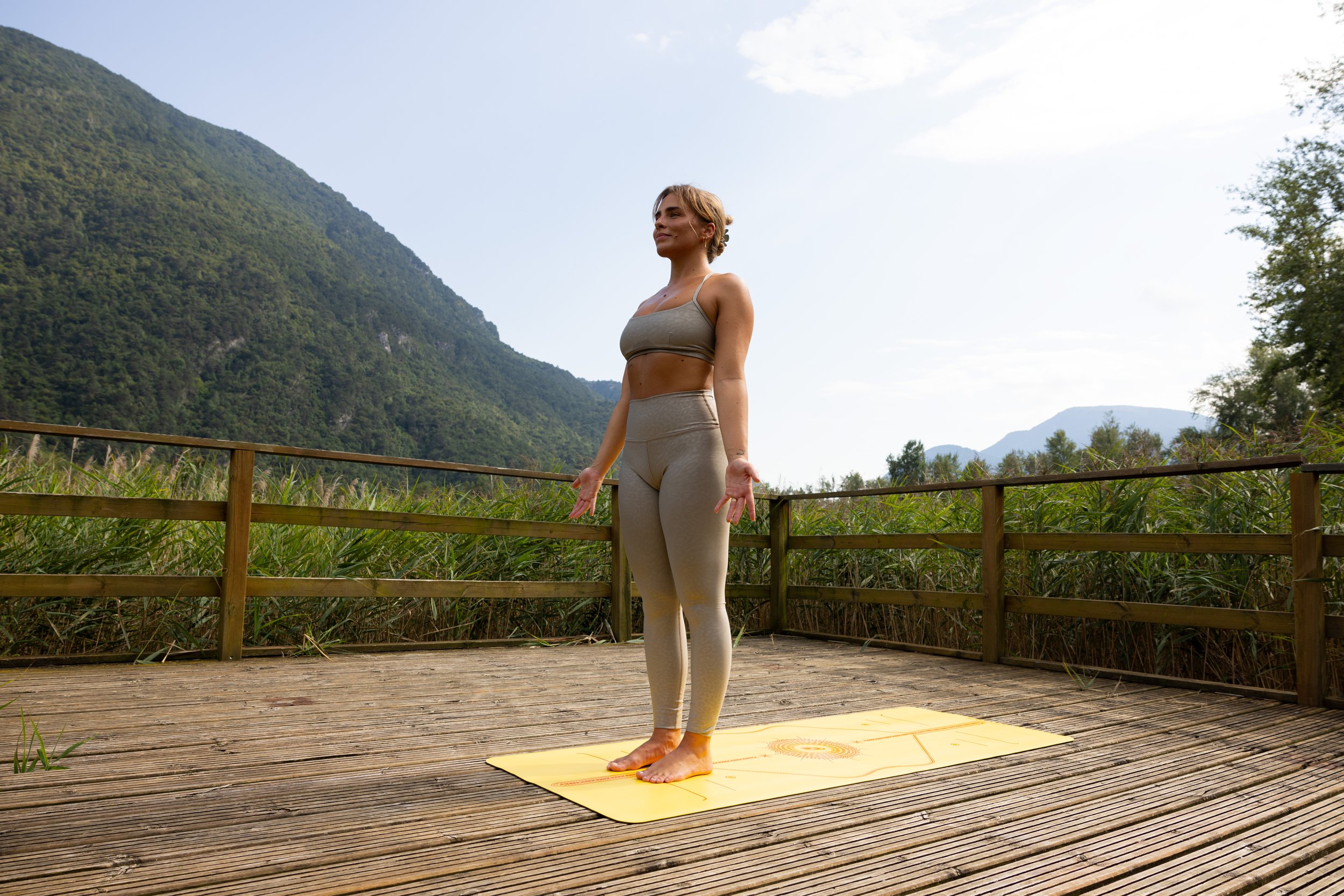
1. Mountain Pose (Tadasana)
Begin your practice with Tadasana, or Mountain Pose. Stand tall with your feet together, grounding down through all four corners of your feet. Engage your thighs and lift your kneecaps, maintaining a neutral spine. Roll your shoulders back and down, extending your arms alongside your body with your palms facing forward. Take deep breaths, feeling the stability and strength of the mountain within you.

2. Standing Hip Circles
From Mountain Pose, shift your weight onto your left foot and lift your right foot slightly off the ground. Slowly begin to make circles with your right knee, focusing on mobility in your hip joint. Gradually switch directions after a few circles. This movement warms up the hips and improves circulation, preparing your lower body for the practice ahead.
3. Cat-Cow Pose
Move into Cat-Cow Pose to warm up your spine and engage your core. Start on your hands and knees in a tabletop position. Inhale as you arch your back, lifting your tailbone and chest towards the ceiling (Cow Pose). Exhale as you round your spine, tuck your chin to your chest, and draw your belly button towards your spine (Cat Pose). Flow between these two poses, syncing your breath with movement for a few cycles.
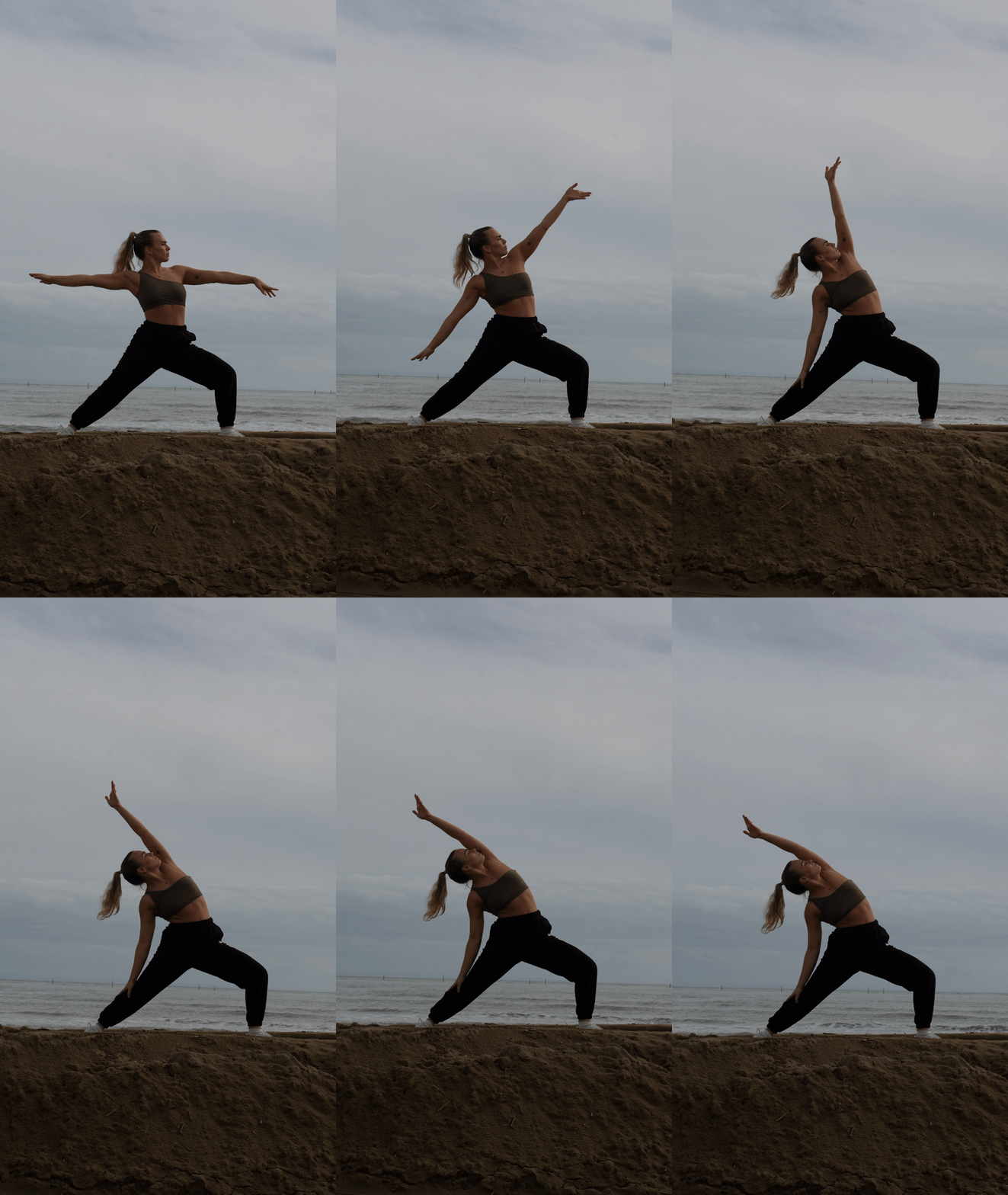
4. Warrior II to Reverse Warrior
Step your right foot forward between your hands and pivot your left foot so it’s parallel to the back of your mat. Bend your right knee more or less above your ankle. Extend your arms out to the sides at shoulder height, palms facing down (Warrior II). Inhale deeply, then exhale and lean your torso back slightly, bringing your right hand down to rest lightly on your right thigh and sweeping your left arm overhead (Reverse Warrior). Keep your gaze upward or forward. Feel the stretch along your right side body and maintain strong legs. Hold for a few breaths, then switch sides.

5. Happy Baby Pose
Lie on your back and draw your knees towards your chest. Separate your knees wider than your torso and reach for the inside edges of your feet with your hands. Flex your feet and gently pull down with your hands, encouraging your knees to move towards the floor beside your body. Your tailbone should be grounded on the mat. Stay here and gently rock side to side, enjoying the gentle stretch in your hips and lower back. Breathe deeply and relax your shoulders and face.
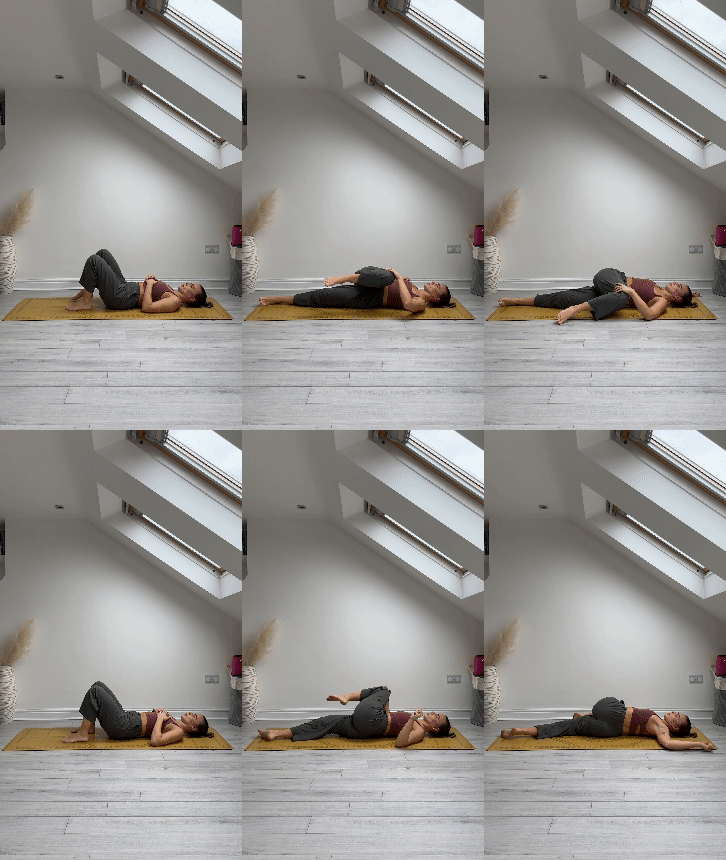
6. Reclined Twists
End your practice with a soothing Reclined Twist. Lie on your back and draw your knees into your chest. Extend your arms out to the sides in a T-shape with your palms facing down. Slowly lower your knees to the right, keeping them together and trying to keep your shoulders grounded. Turn your head to the left for a deeper twist. Hold for several breaths, feeling the gentle release in your lower back and spine. Bring your knees back to center, then lower them to the left and turn your head to the right. Hold for several breaths on this side as well.
7. Child’s Pose
End your practice with a calming Child’s Pose. Kneel on the mat, touch your big toes together, and sit on your heels. Extend your arms forward and lower your torso between your thighs. Rest your forehead on the mat, allowing your spine to lengthen and your hips to sink towards your heels. Breathe deeply into your lower back and relax your shoulders. Stay here for as long as you like, soaking in the tranquility and preparing mentally for the day ahead.

Incorporating these yoga poses into your morning routine can provide numerous benefits from increased flexibility and strength to a more focused and centered mind. Whether you have five minutes or twenty, taking the time to practice yoga in the morning can set a positive tone for your entire day. Remember to listen to your body and modify poses as needed. Start your day with intention and mindfulness, and watch as your overall well-being improves with each practice.
COMING UP
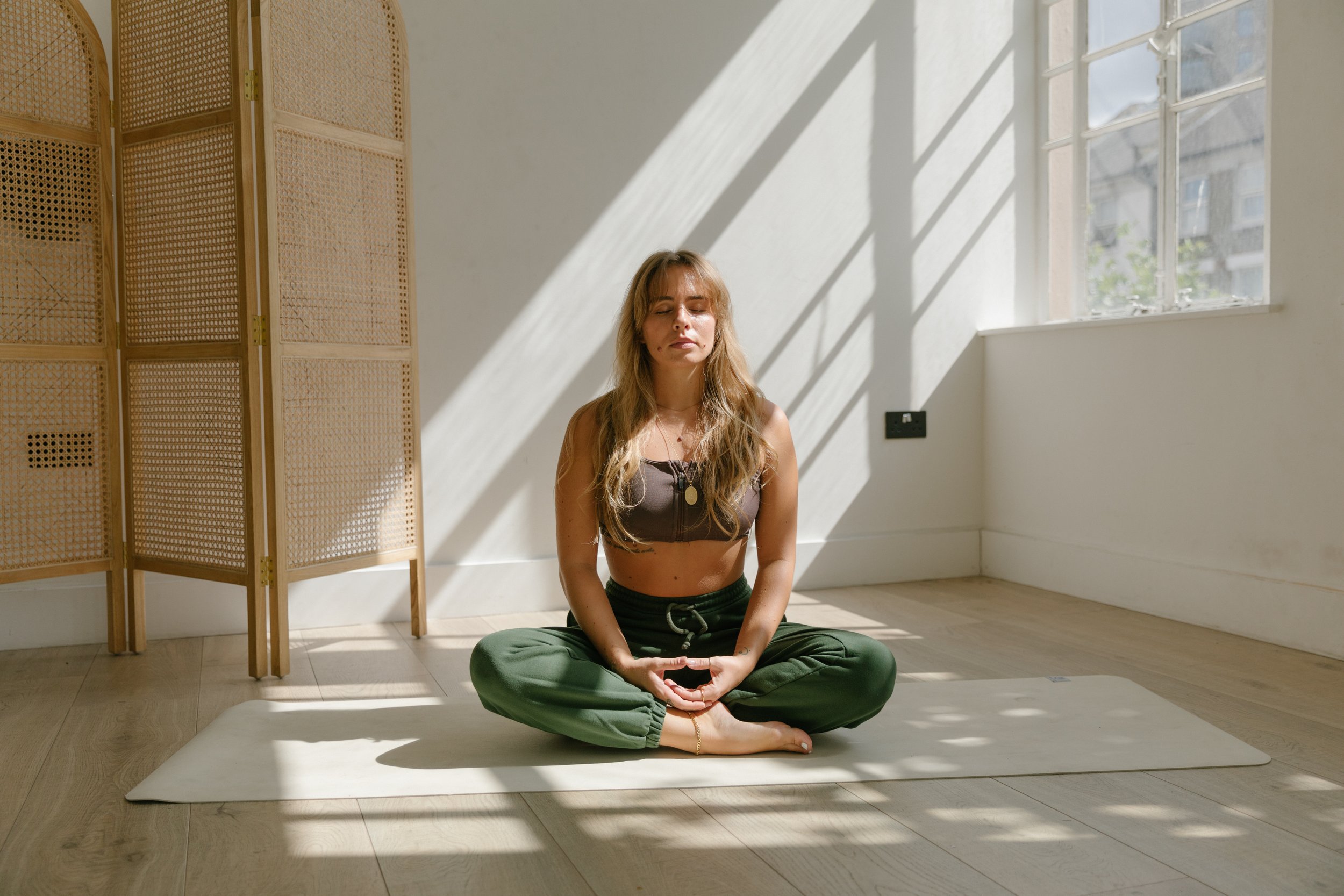
Guided Grounding Meditation for Inner Peace
In the hustle and bustle of our daily lives, finding a moment of peace can be a precious gift to ourselves. Amidst the chaos, taking time to ground our energy and reconnect with the present moment is essential for our overall well-being.
Today, I invite you on a journey within through a guided grounding meditation—a practice that can bring about a sense of calm, clarity, and inner peace.
In the hustle and bustle of our daily lives, finding a moment of peace can be a precious gift to ourselves. Amidst the chaos, taking time to ground our energy and reconnect with the present moment is essential for our overall well-being.
Today, I invite you on a journey within through a guided grounding meditation—a practice that can bring about a sense of calm, clarity, and inner peace.
Incorporating a guided grounding meditation into your routine can be a powerful tool for cultivating inner peace and resilience. By regularly reconnecting with the present moment and grounding your energy, you can navigate life's challenges with a greater sense of calm and clarity.
Remember, the journey within is an ongoing practice, and each session is an opportunity to nurture your mind, body, and spirit. Take this practice with you into your day, and may you find peace in the simplicity of being present.


Pose Of The Month - Crow Pose, week 4
As we conclude our Yoga Pose of the Month journey, Week 4 beckons—a culmination of strength, balance, and trust in Crow Pose. Dive into this post packed with guidance in and out of the pose, variations and tips. Share your achievements with #CrowPoseUnlocked and let's move together into the grand finale.
Hello beautiful yogis!
Welcome to the pinnacle of our Yoga Pose of the Month journey—Week 4, where we fuse all the guidance and practice from the past three weeks into the full exploration of Crow Pose, Bakasana.
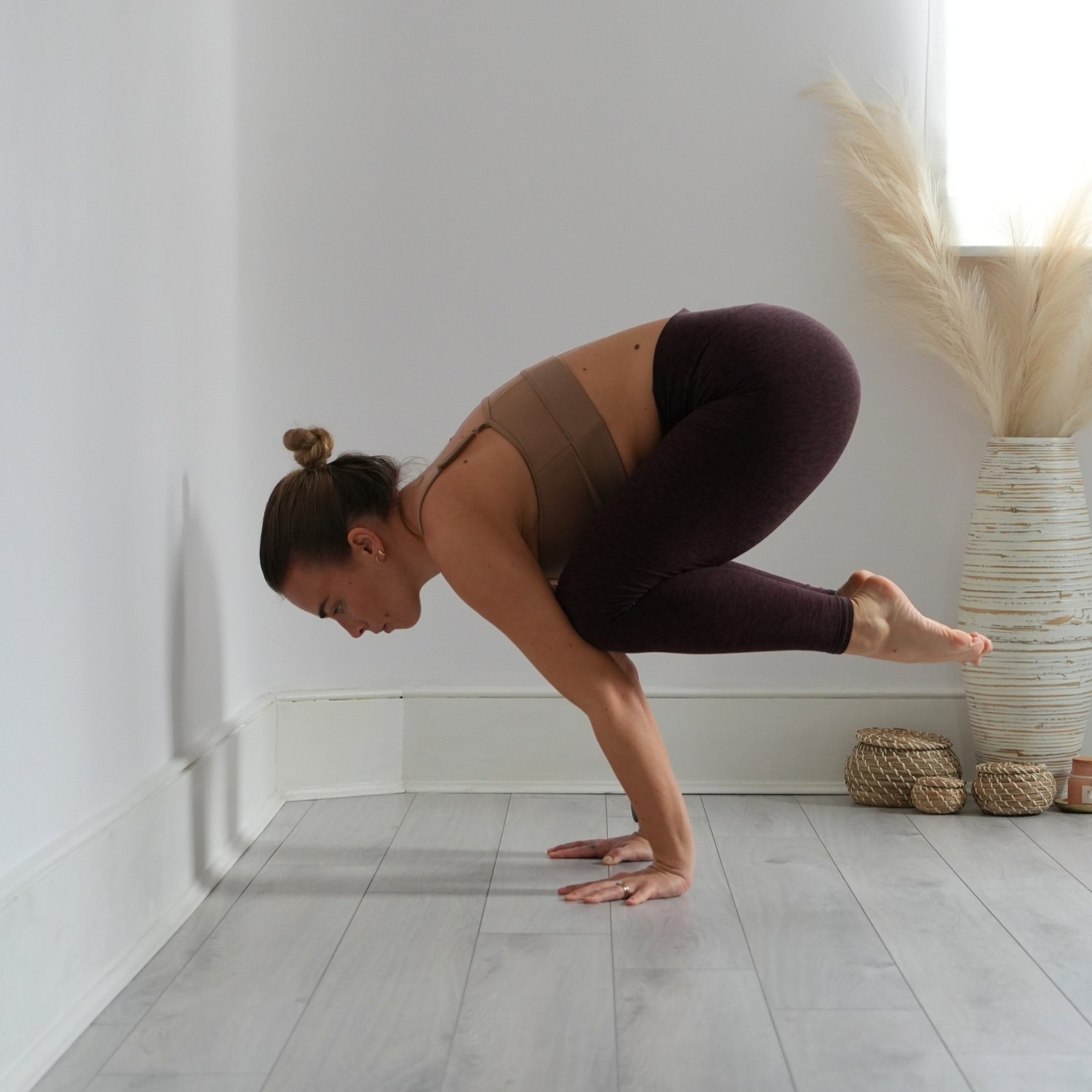
All together in Crow Pose
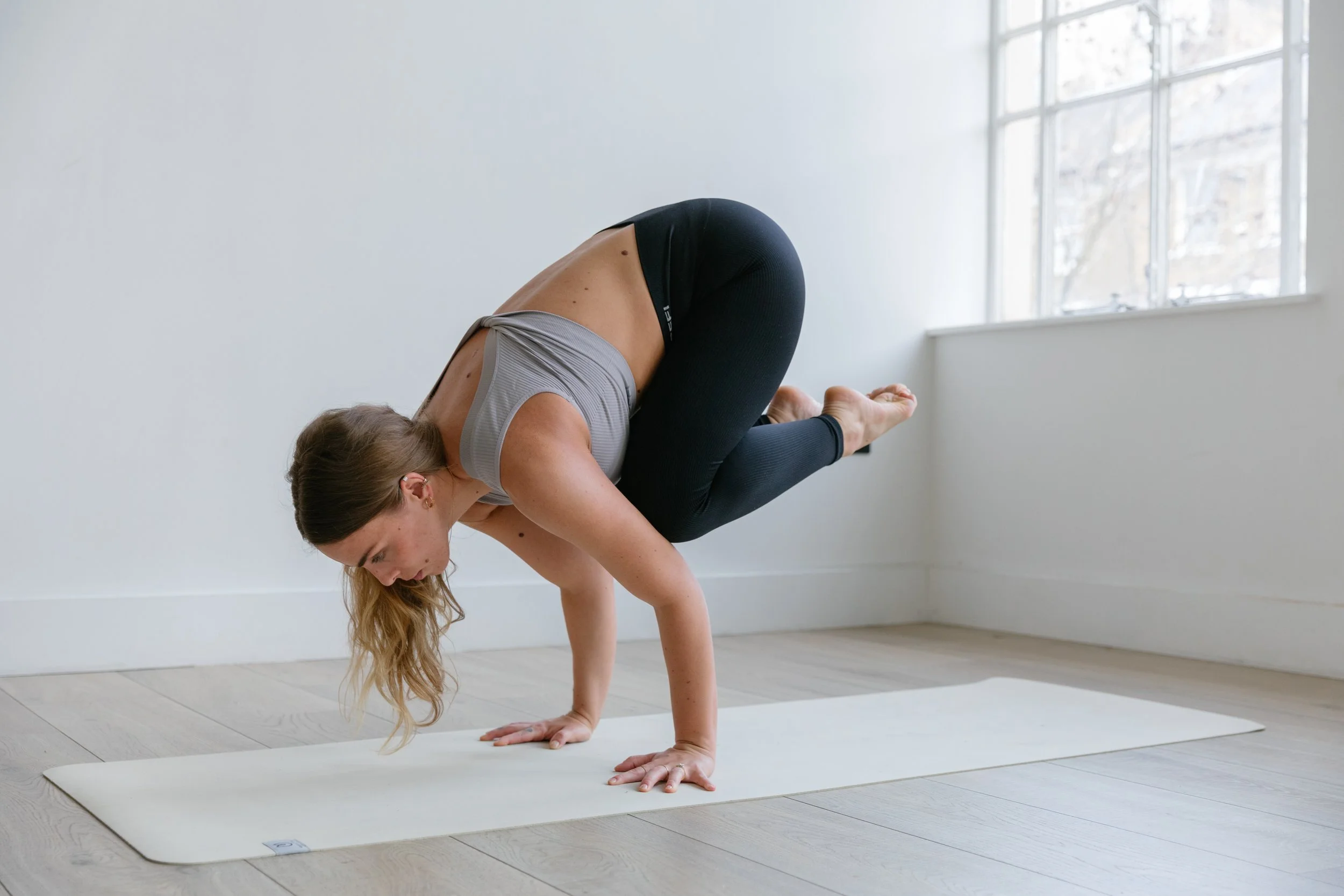
Crow Pose, Bakasana, it’s more than physical strength; it's a journey within—a quest for confidence and self-trust. In this final week, we put together everything learned and we practice Crow Pose in full.
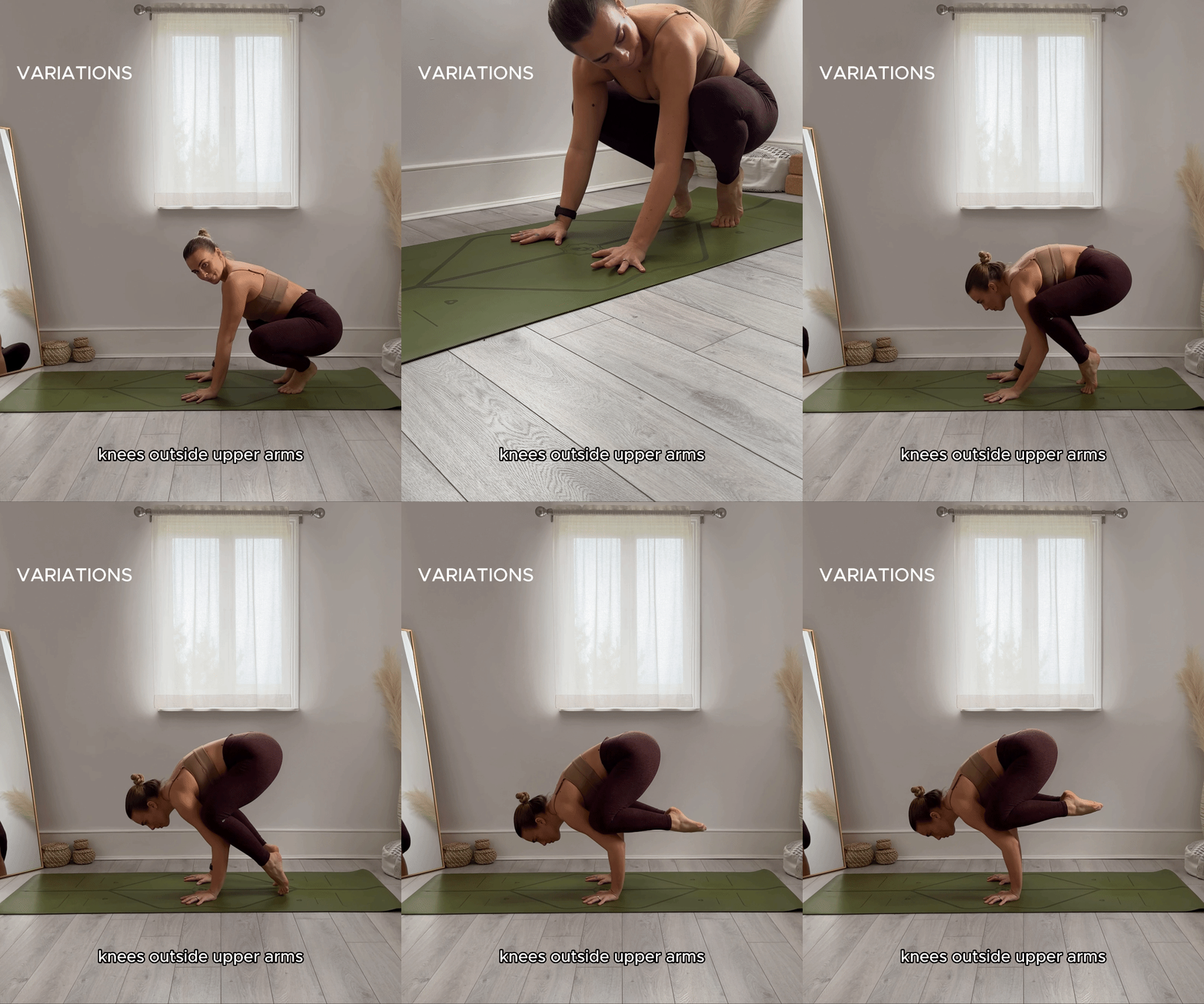
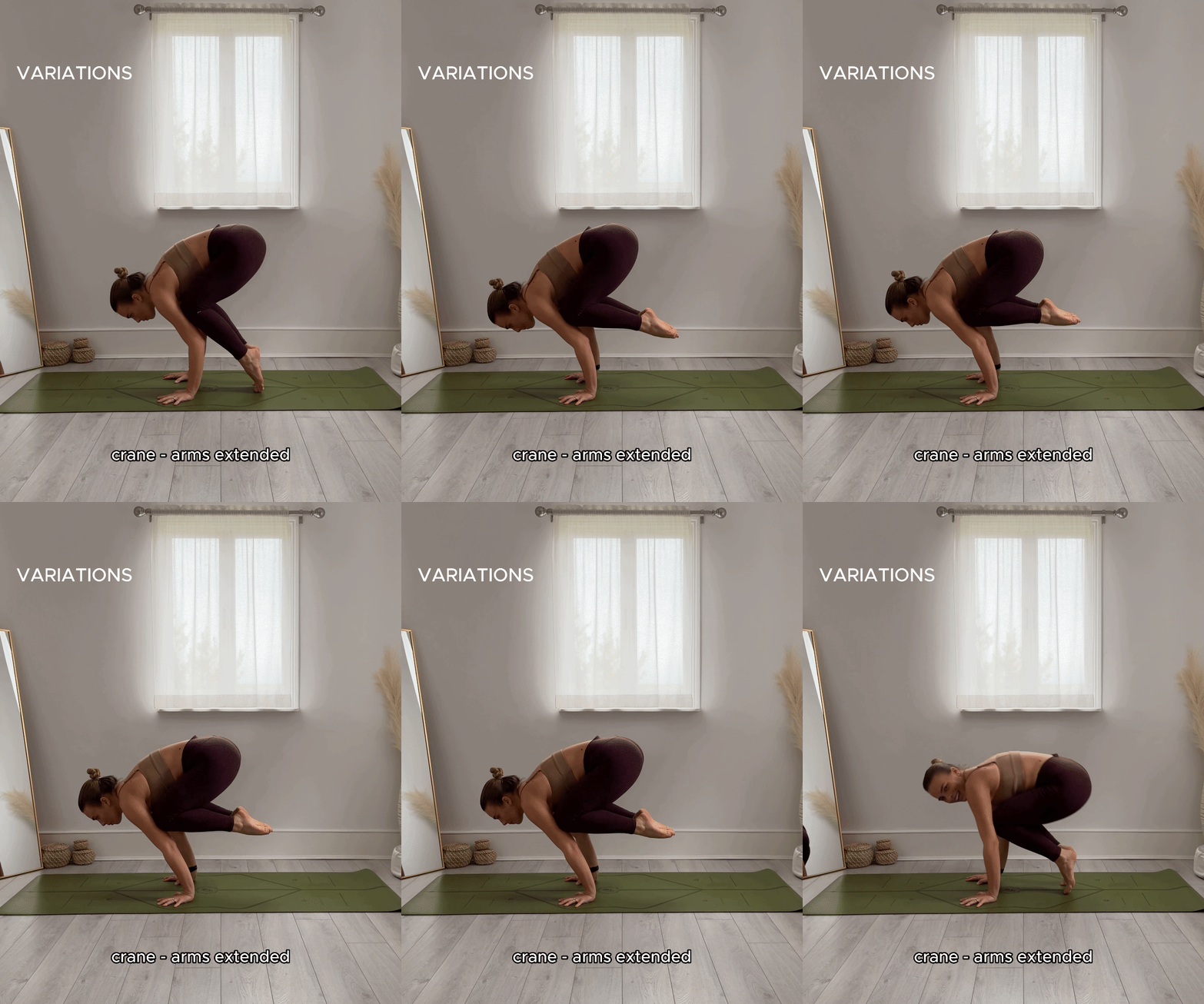
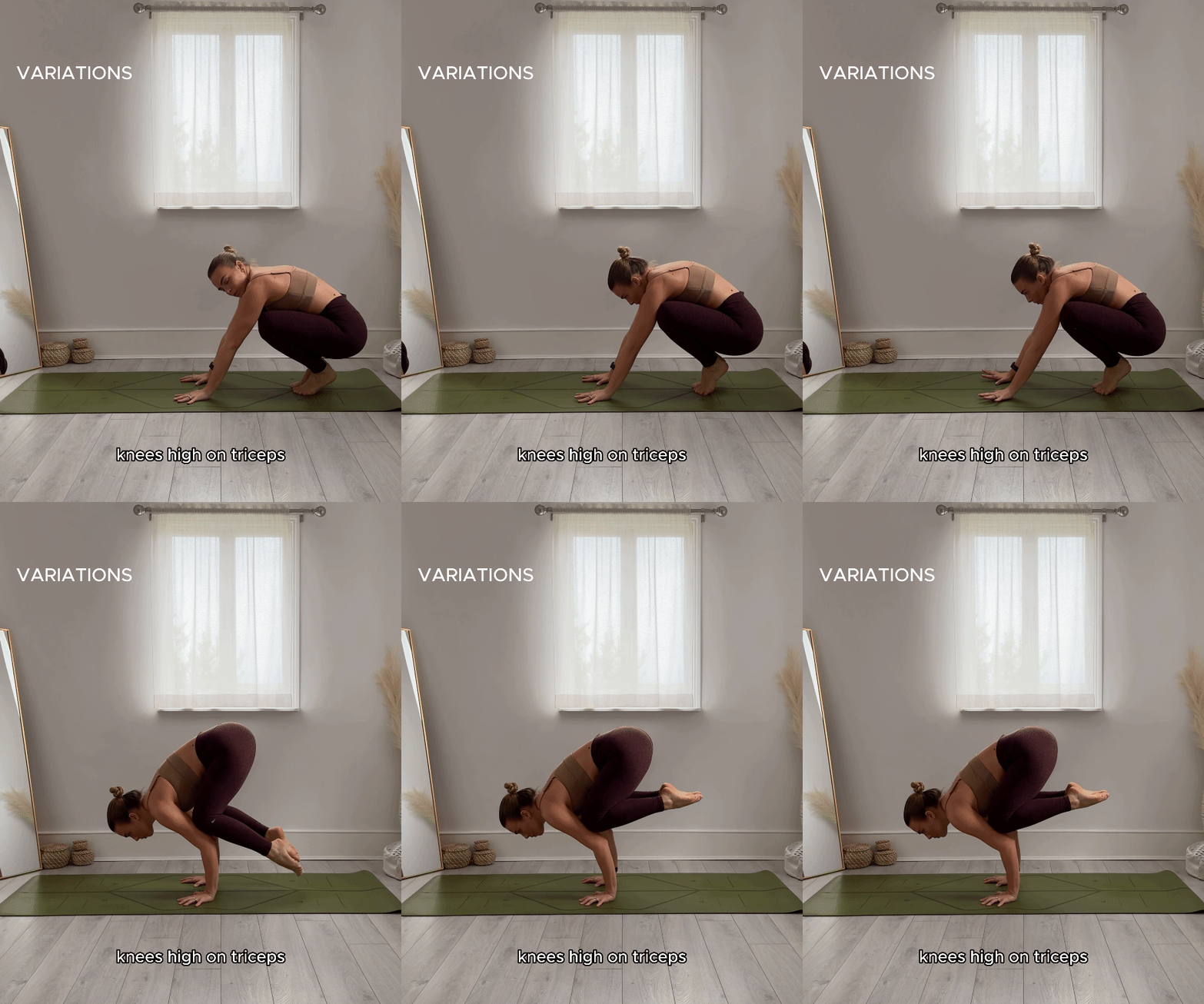
Variations & Progression
Knees Outside the Upper Arms - in this variation the knees and legs are pressing against each other.
Knees on Triceps: for some this variation can feel more uncomfortable, but it’s all about squeezing the inner thighs in to lift you up so your weight doesn’t “melt” over your arms.
Crane: in this advanced pose the arms are completely straight.
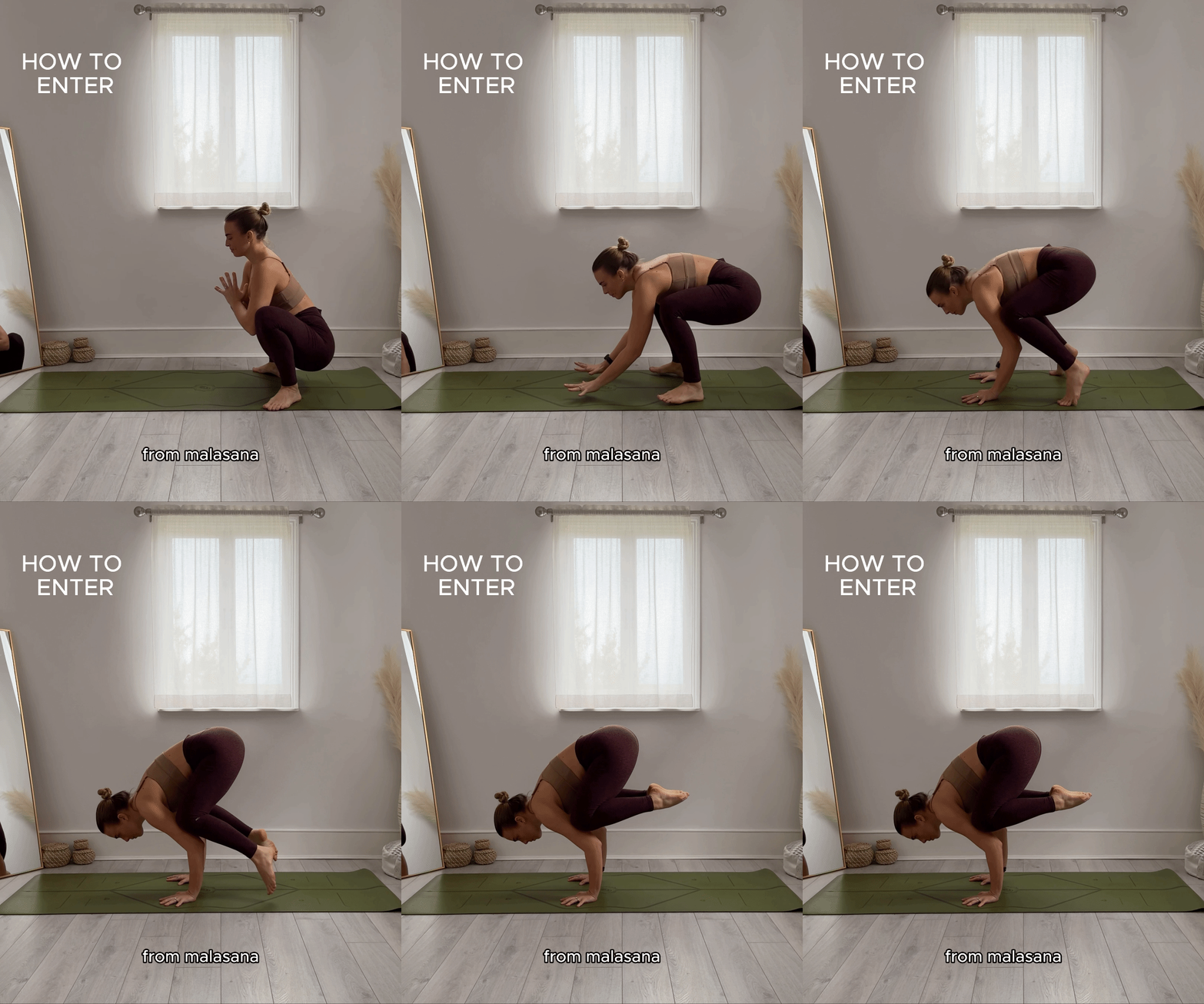
Transitioning Into and Out of Crow Pose
From Downdog, Forward Fold, or Malasana: Explore different entry points for Crow Pose.
Child Pose to Exit: Safely and gracefully exit the pose and take a moment to rest.
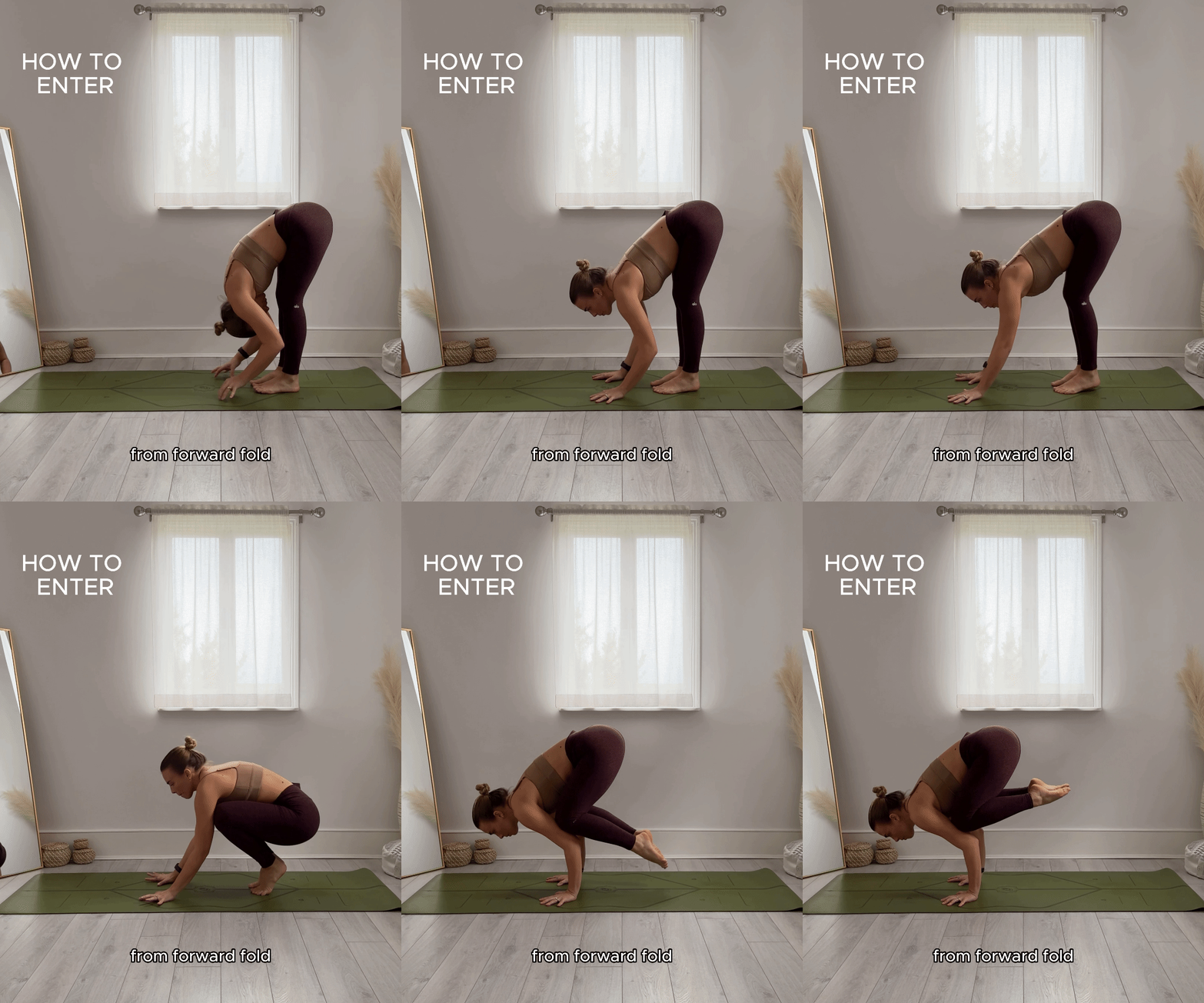
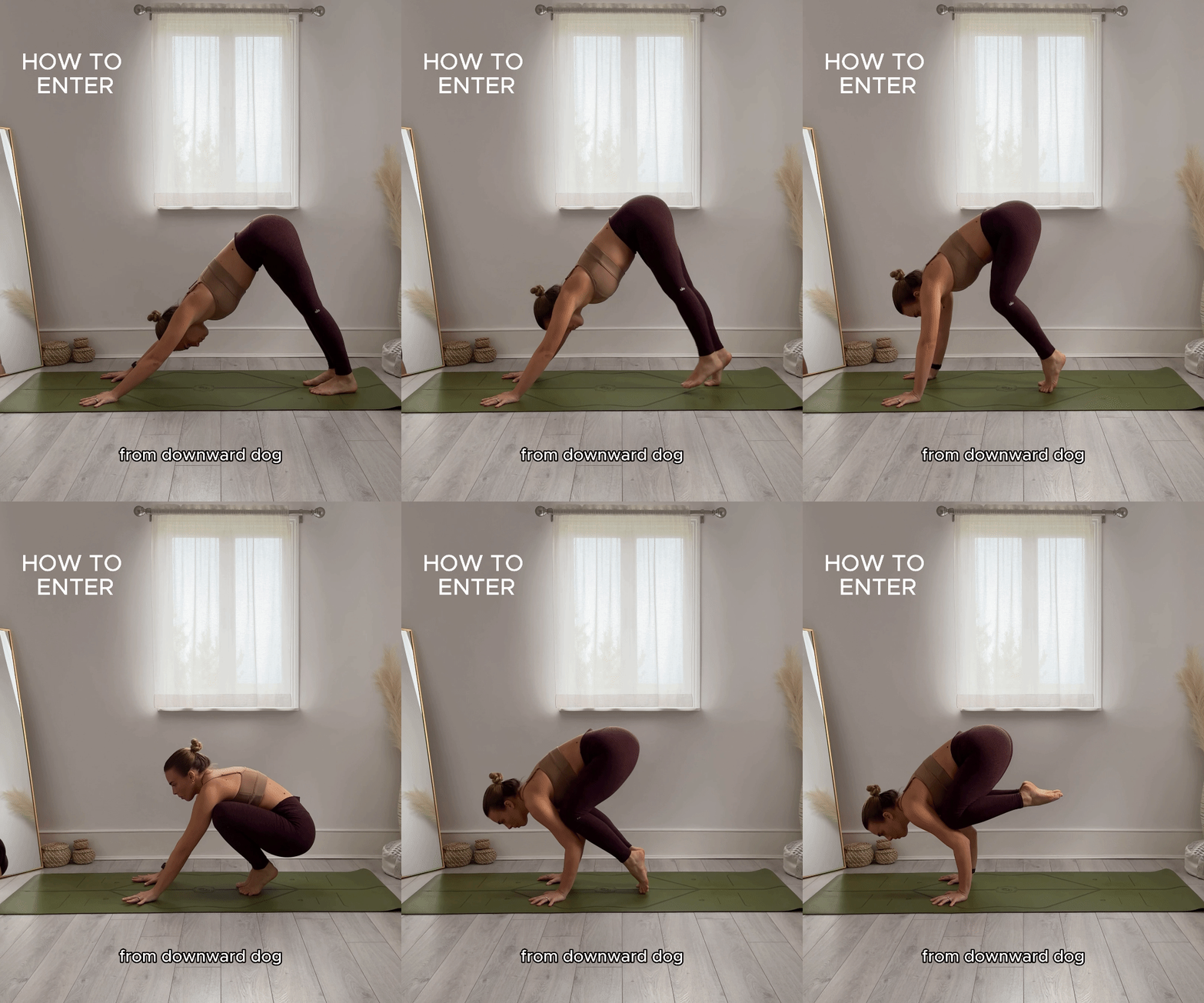
Pro Tips
Pillow in Front of Face: overcome mental barriers with a safety buffer.
Blocks Under Feet: this will help your feet lift off the floor easier.
Look Forward, Not Down: look towards the direction in which you’re moving.
Reach Your Hands Forward: from your squat, don’t just place the hands under the shoulders but instead reach your hands forward. This will give your body more space to lift.
Move Bodyweight Forward: this will be possible if your hands are in front of you.
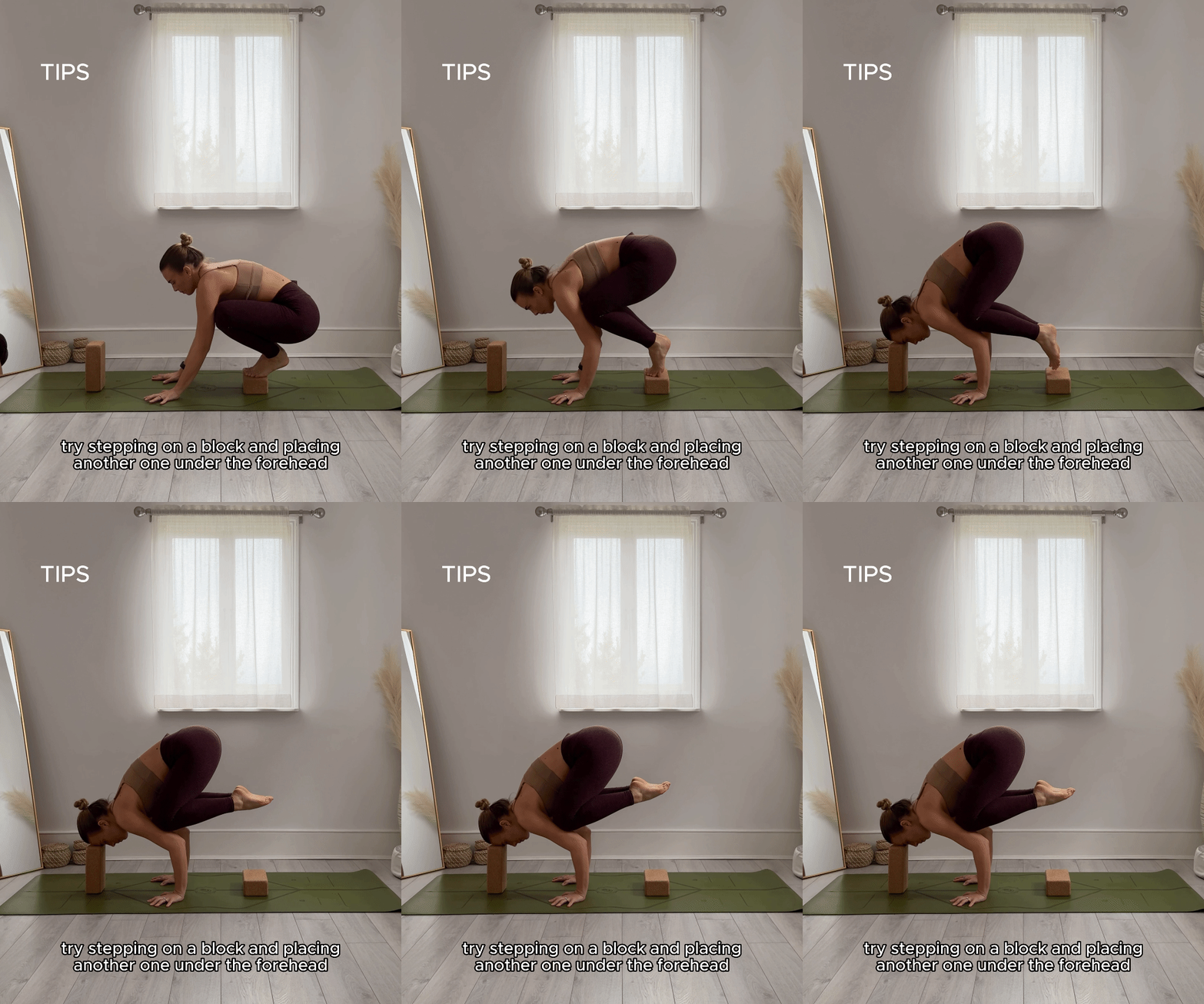
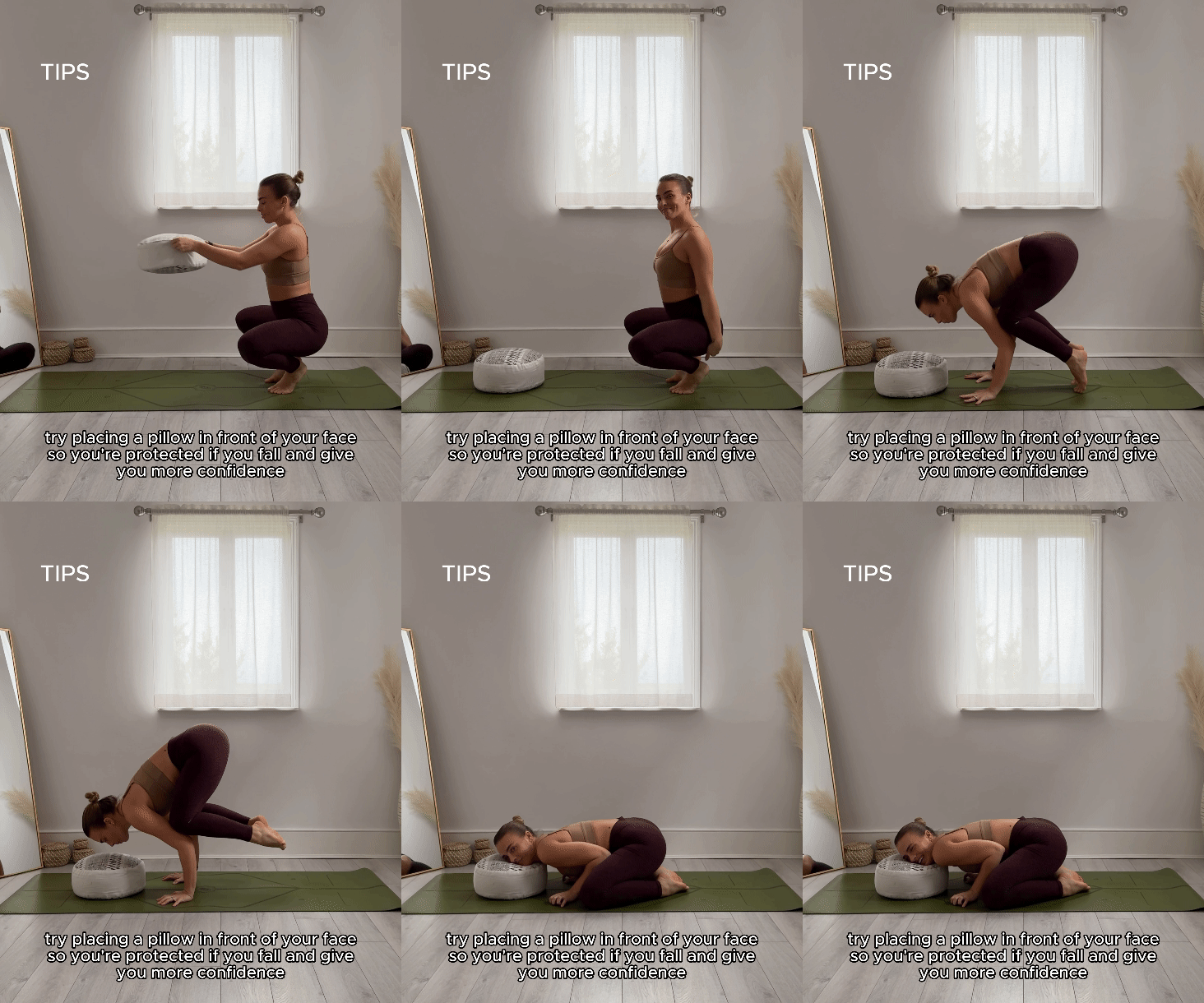
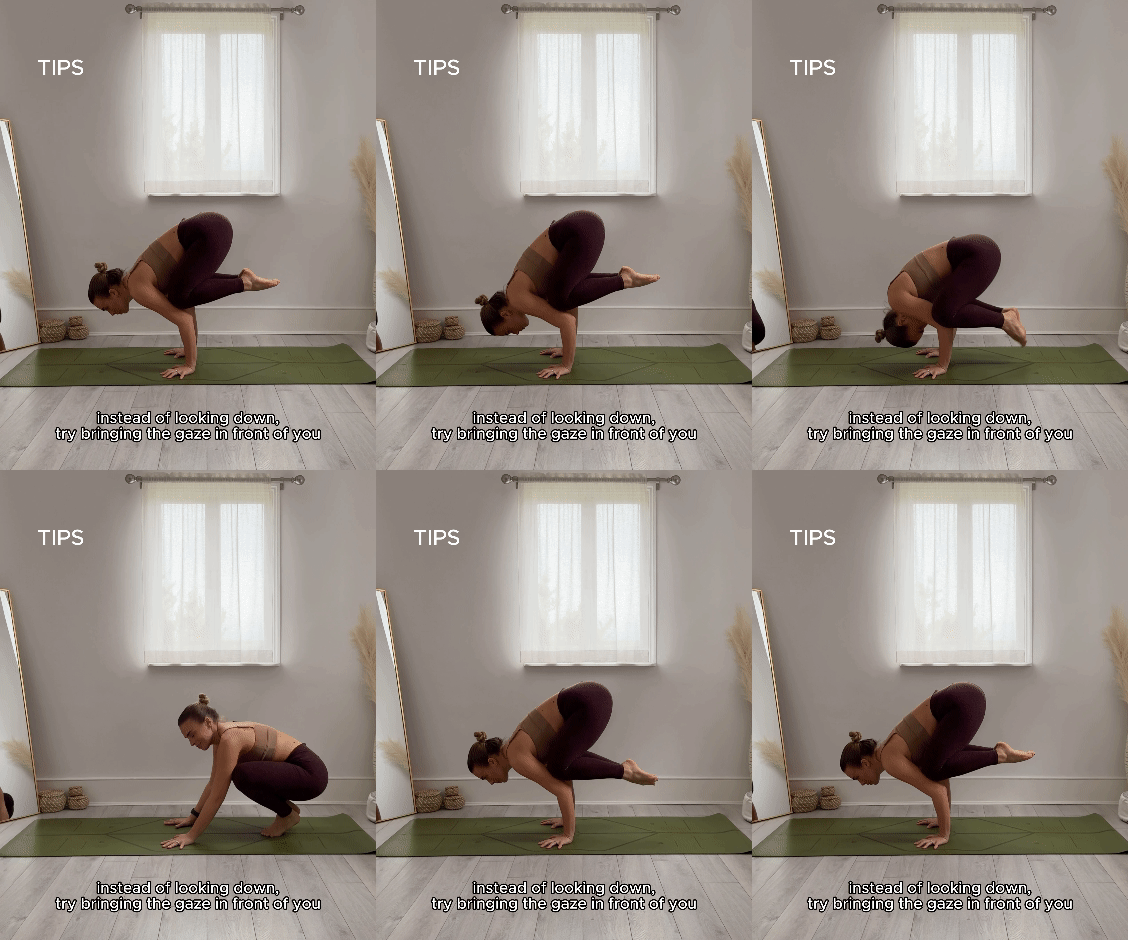
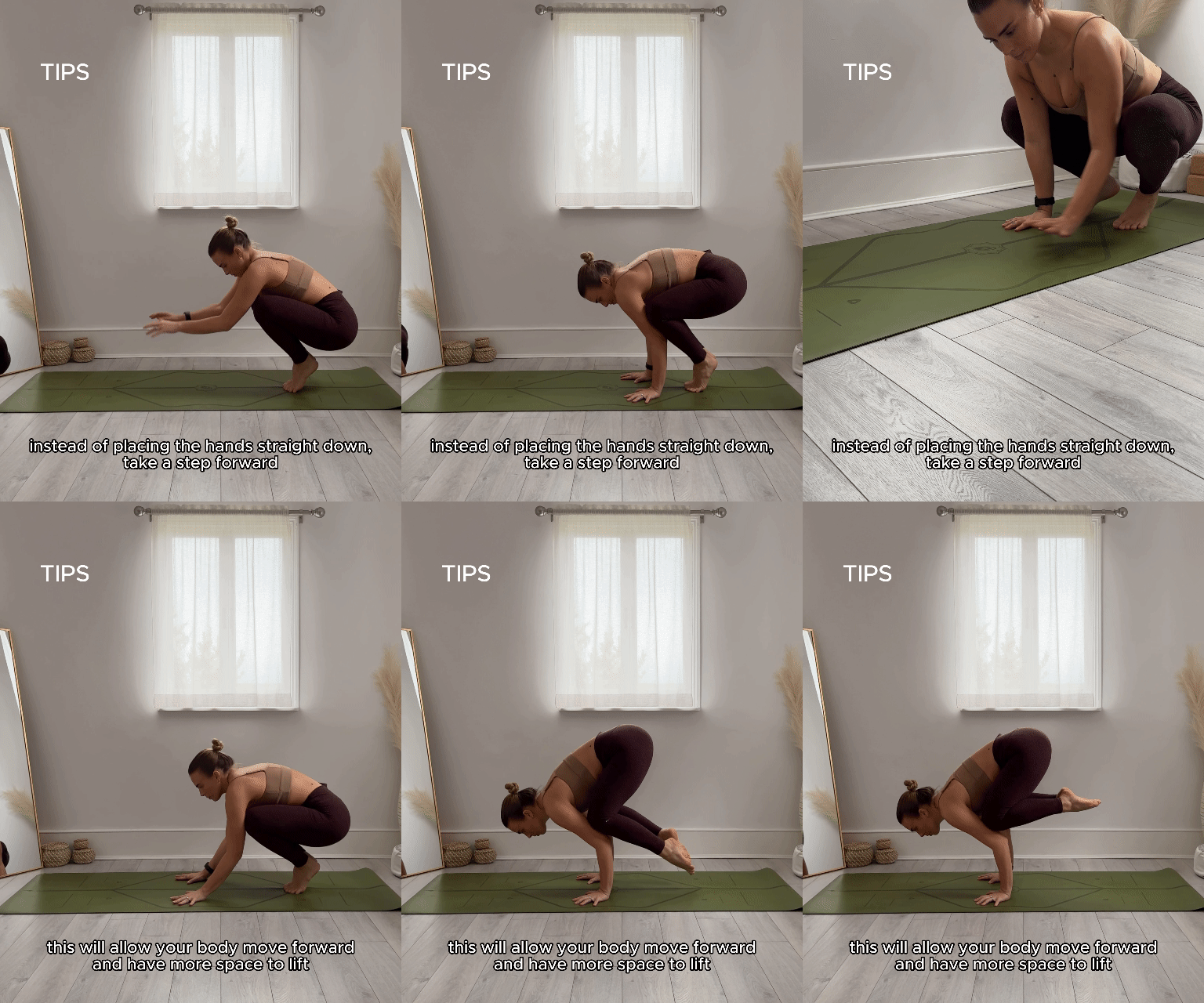
All Together: Step by Step into Crow

As we come to the end of our Yoga Pose of the Month journey, I want you to remember that it's not just about mastering Crow Pose, it's the coming together of strength, balance, and self-discovery.
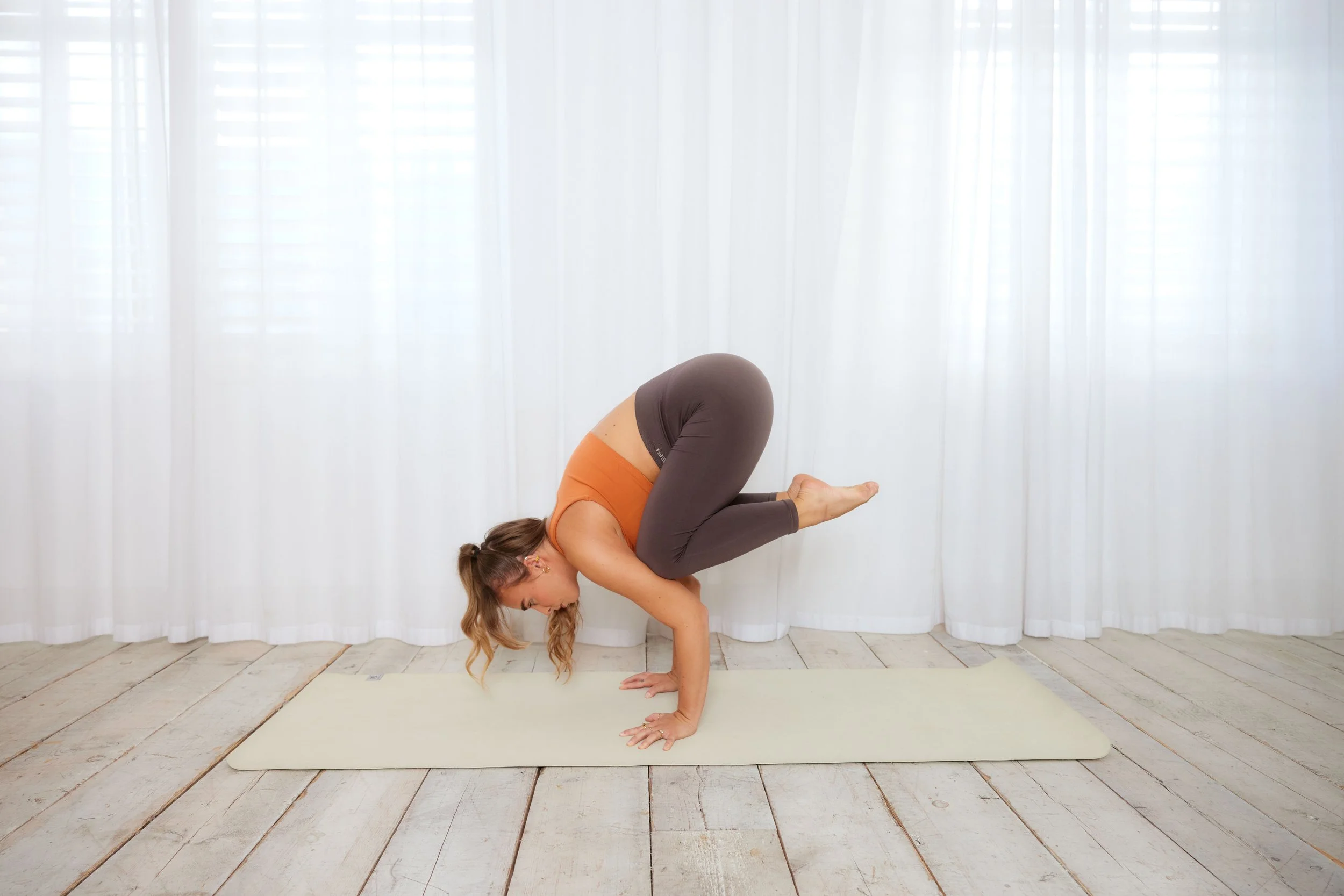
Pose Of The Month - Crow Pose, week 3
Welcome to Week 3 of our Crow Pose series, where the spotlight is on Hips & Leg Strength. Engage in strengthening exercises, discover the power of hip flexibility, and share your journey with #CrowPoseUnlocked. Strengthen your lower body and stay consistent in your practice.
Hello beautiful yogis!
Welcome back to our journey through the Yoga Pose of the Month series. We've paved the way with core strength, worked on our wrists and arms, and now, in Week 3, we delve into Hips & Leg Strength.

The Power of Hips & Legs in Crow Pose
Your journey towards Crow Pose is incomplete without acknowledging the pivotal role of hips and legs. From engaging hip flexors to active hamstrings, these areas contribute significantly to how you distribute weight and find balance.
Here are some yoga poses and transitions that focus on this part of the body.
Exercises and Poses for Hips & Leg Strength
Tabletop - Knee to Elbow + Hamstrings Curls: activate hips and hamstrings with controlled movements.
Low Lunge Salutations: flow through low lunges to engage and strengthen your legs.
Chair Pose - Squat to Boat Pose: transition through poses for a dynamic lower body workout.
Malasana to Fold: embrace the power of your hips in this deep squat variation.
Lizard to Seated Goddess (Inner Thigh Squeezing In): strengthen inner thighs and hip flexors.
Pigeon - Squeezing Inner Thighs In: enhance hip flexibility while engaging inner thighs.
Lolasana: elevate your legs off the ground, building strength and control.
Seated Crow: integrate leg strength with this advanced pose.
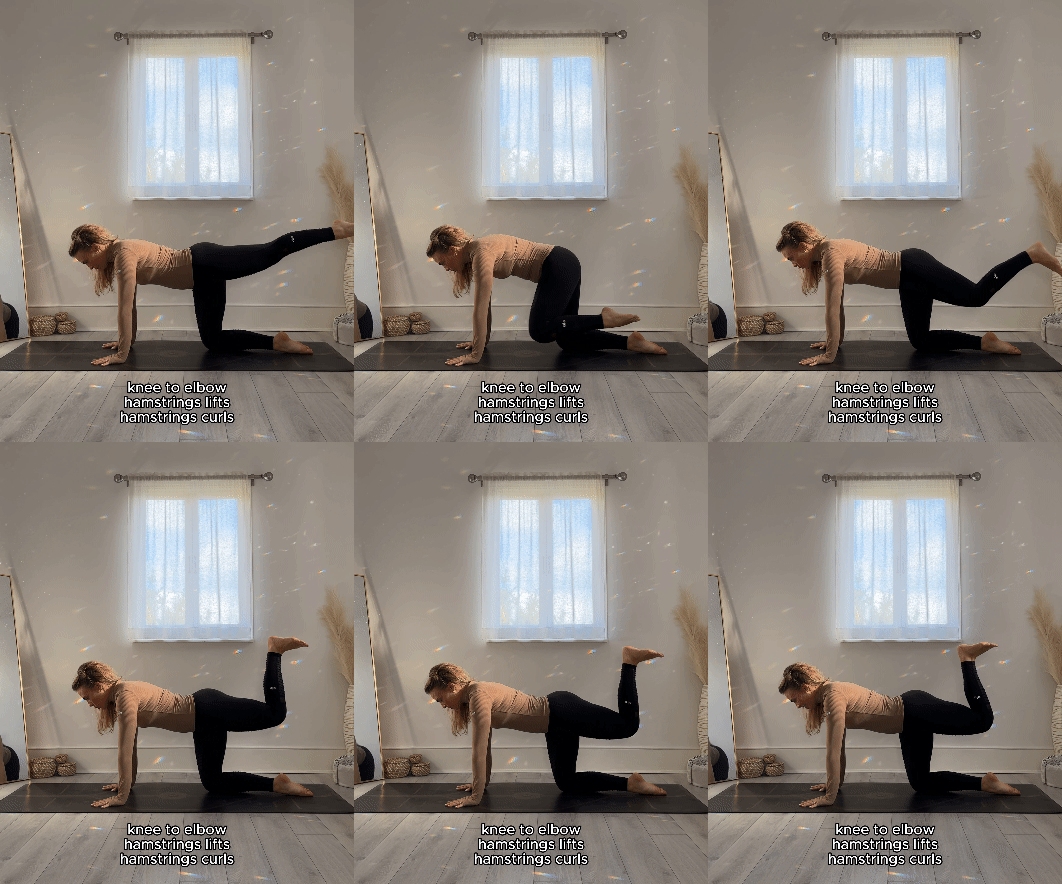
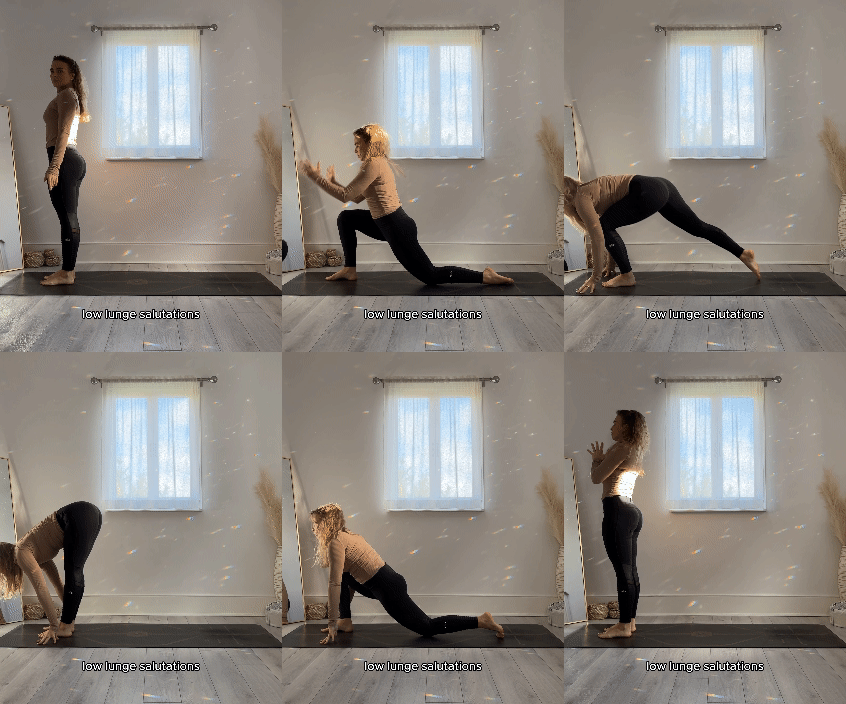
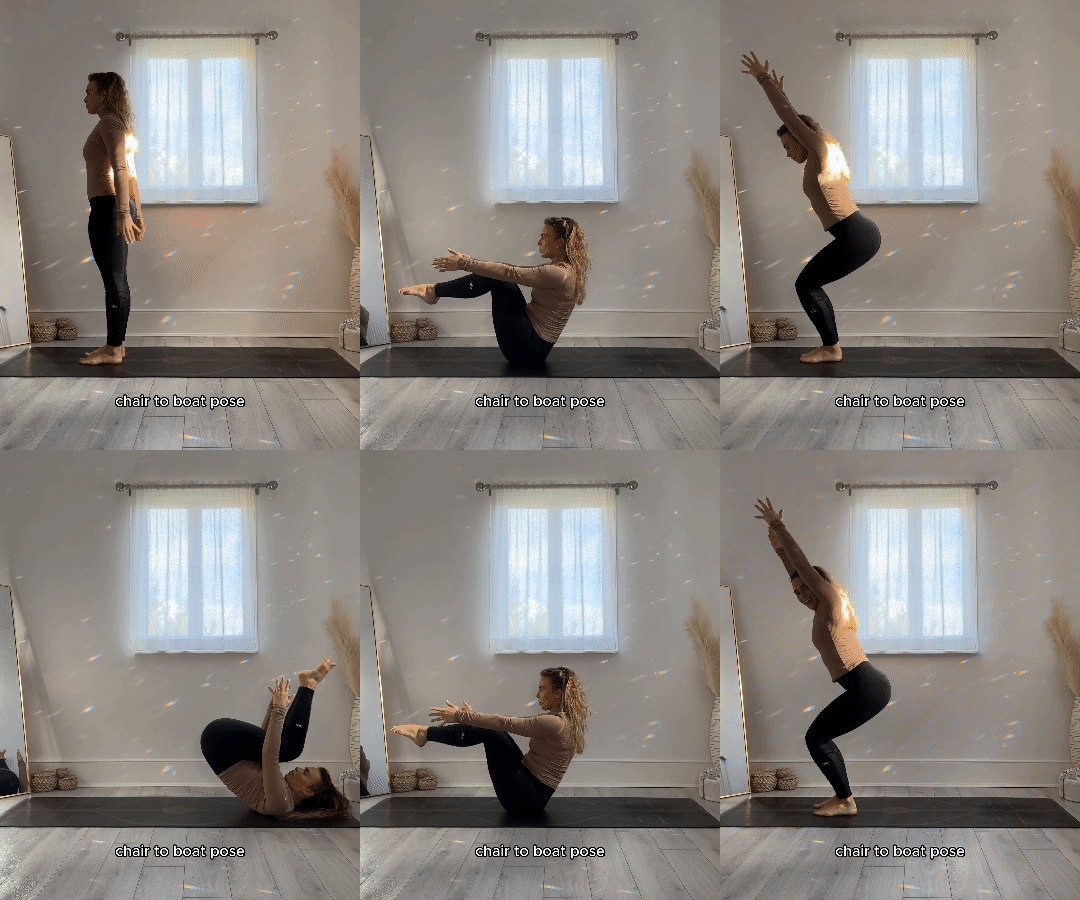
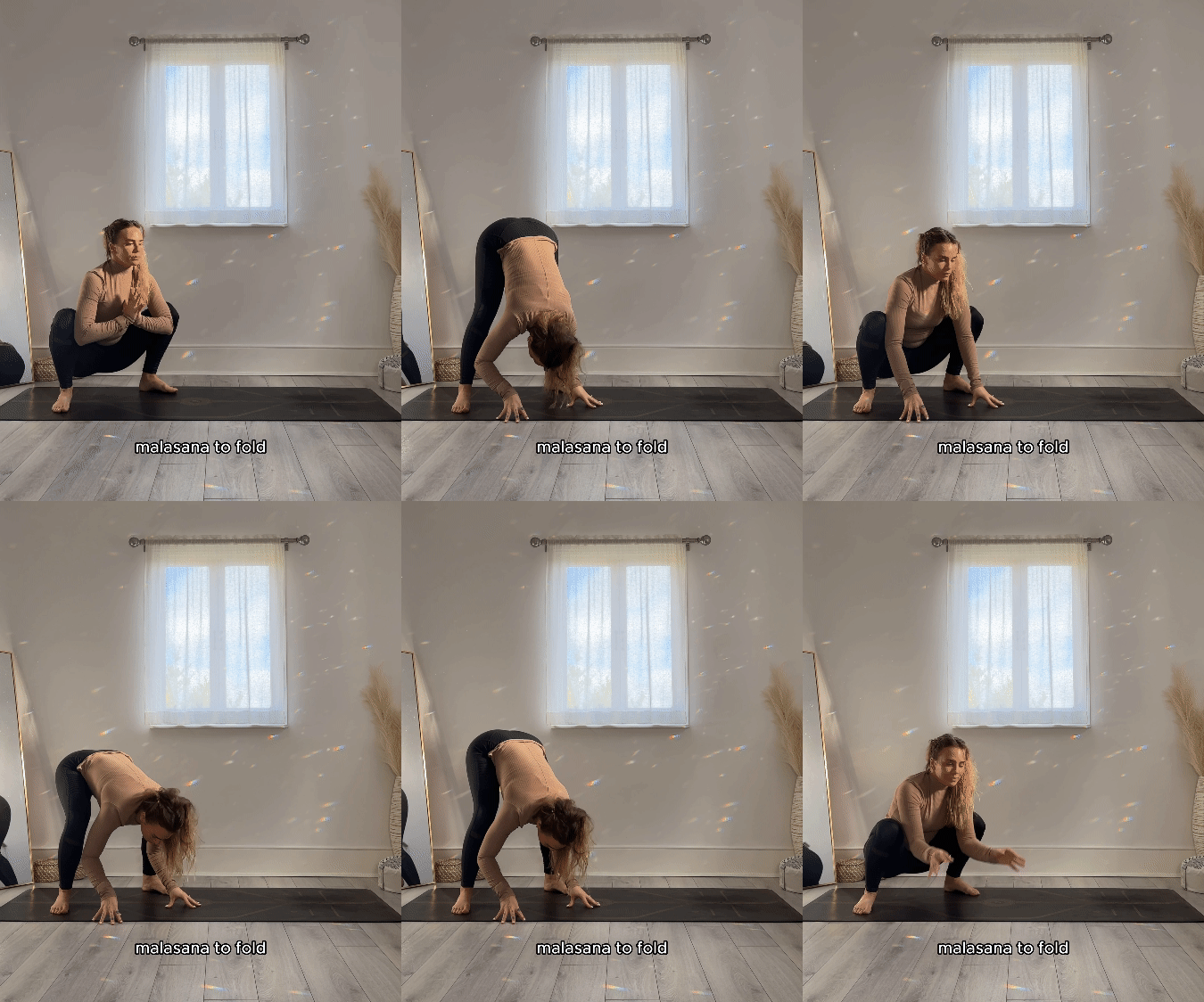
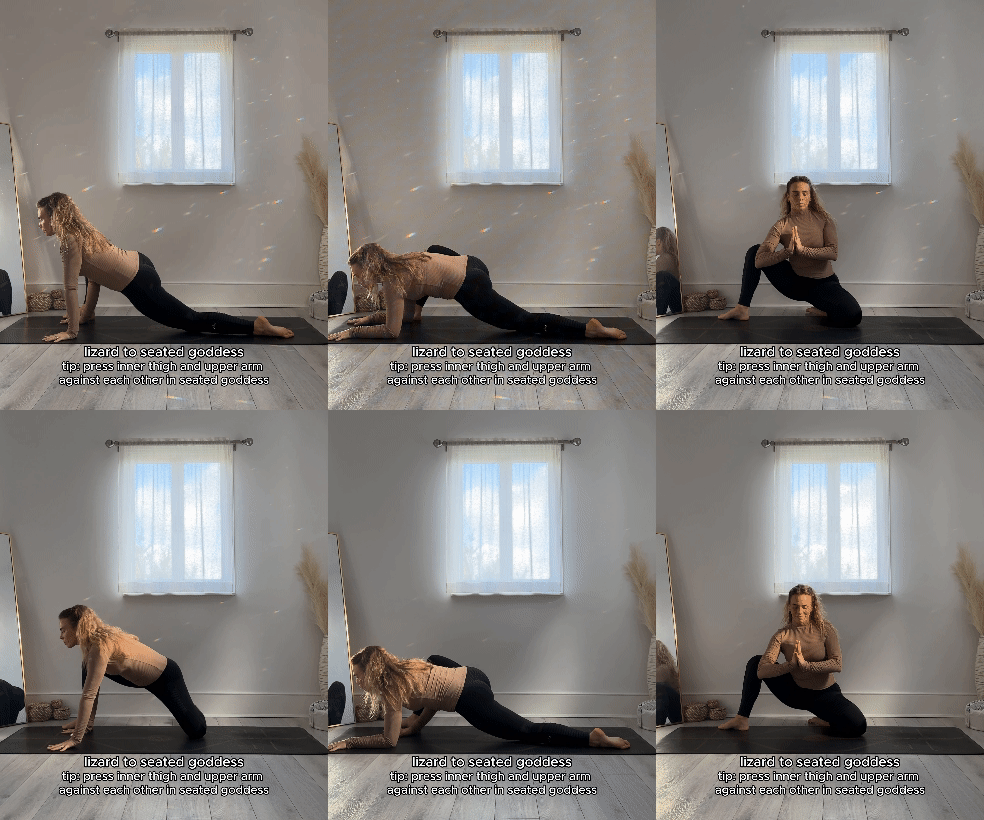
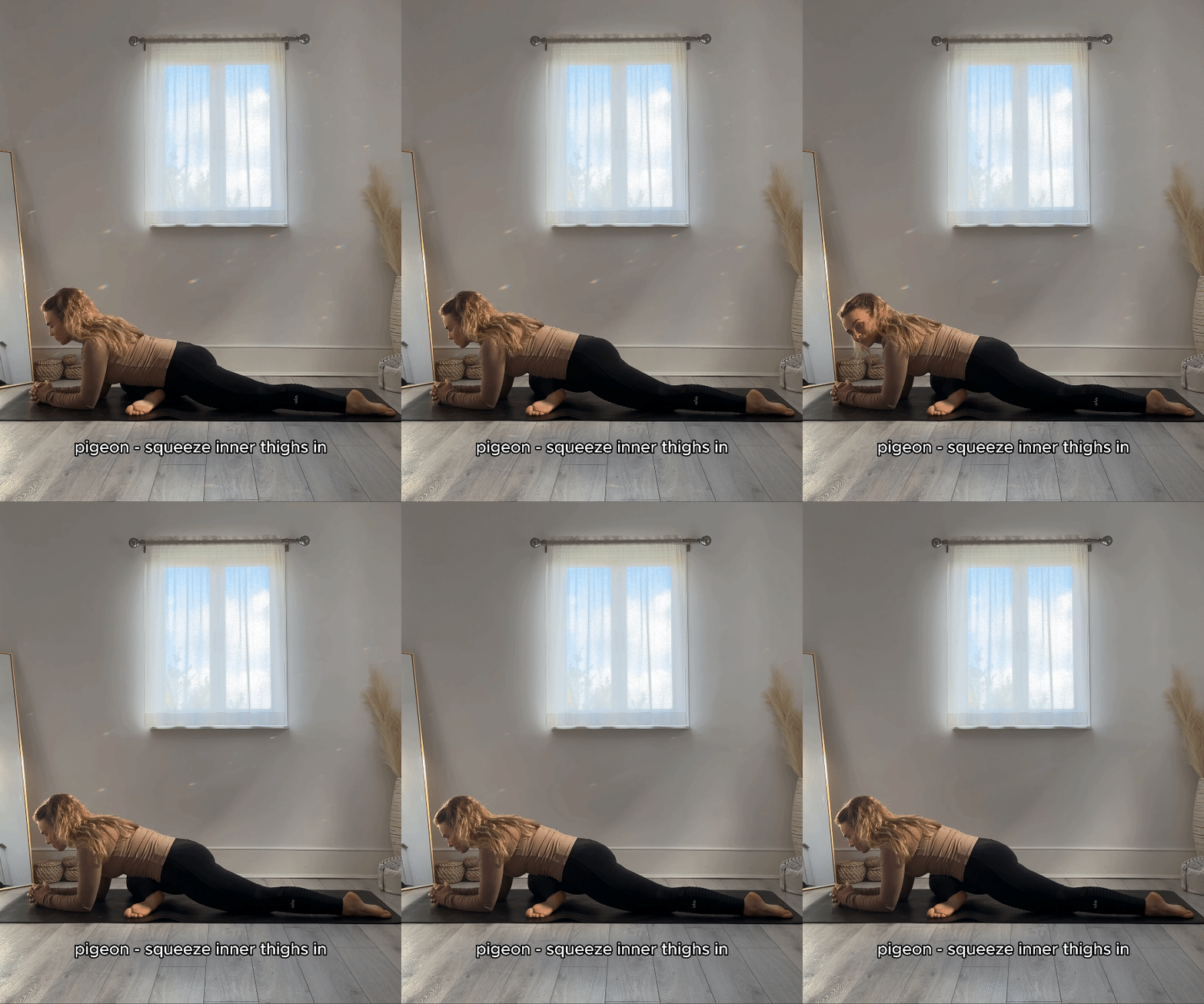
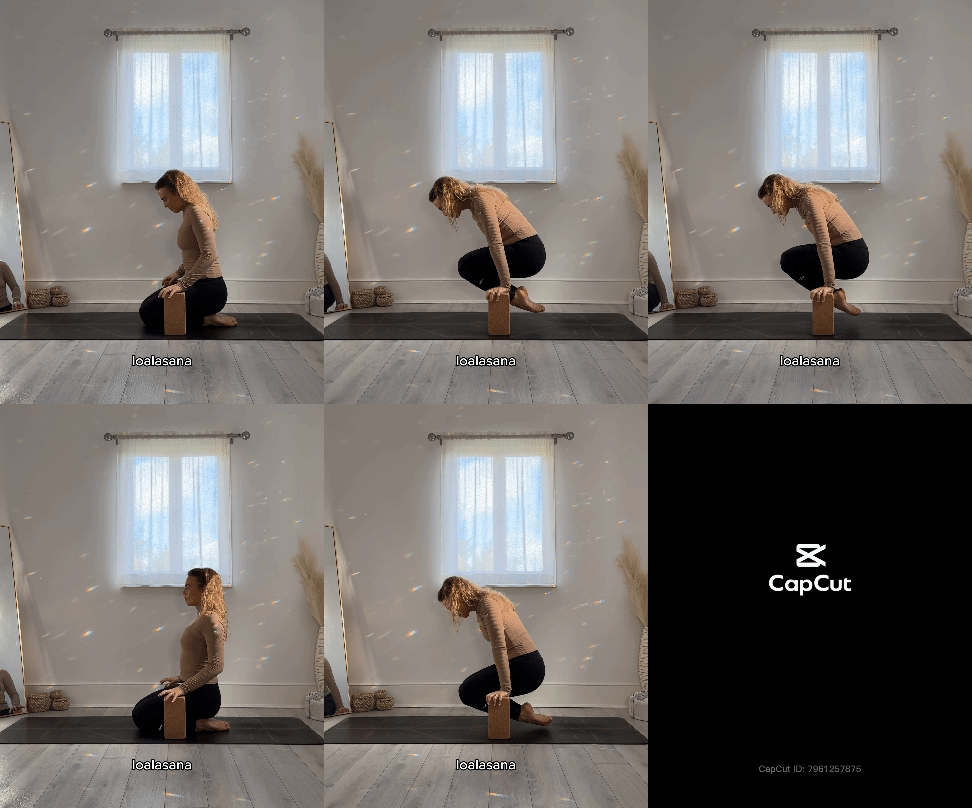
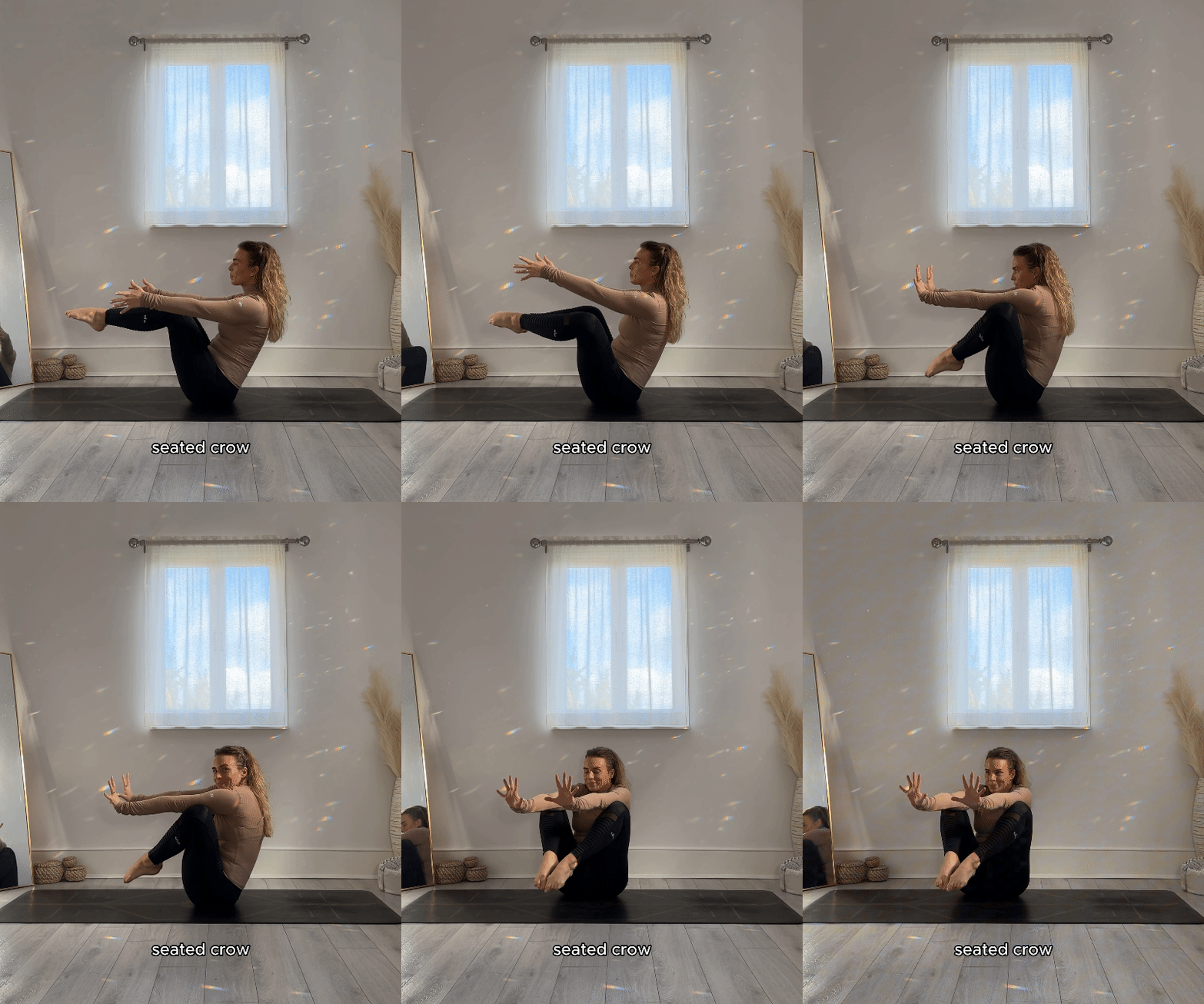
Join the community and share your progress using #CrowPoseUnlocked. Strengthen your hips and legs, find balance, and get ready for the grand finale in Week 4.
Pose Of The Month - Crow Pose, week 2
Embrace the challenge as we dive into Week 2 of our Crow Pose series. This week is all about implementing your practice with Arms & Wrists Strength. Explore dynamic exercises, master the art of wrist care, and join the community using #CrowPoseUnlocked. Strengthen your upper body, find stability, and let's journey together towards mastering Crow Pose.
Hello beautiful yogis!
Welcome back to Week 2 of our Yoga Pose of the Month series, dedicated to Crow Pose. This week, our focus turns to a crucial aspect of mastering this challenging pose - Arms & Wrists Strength.
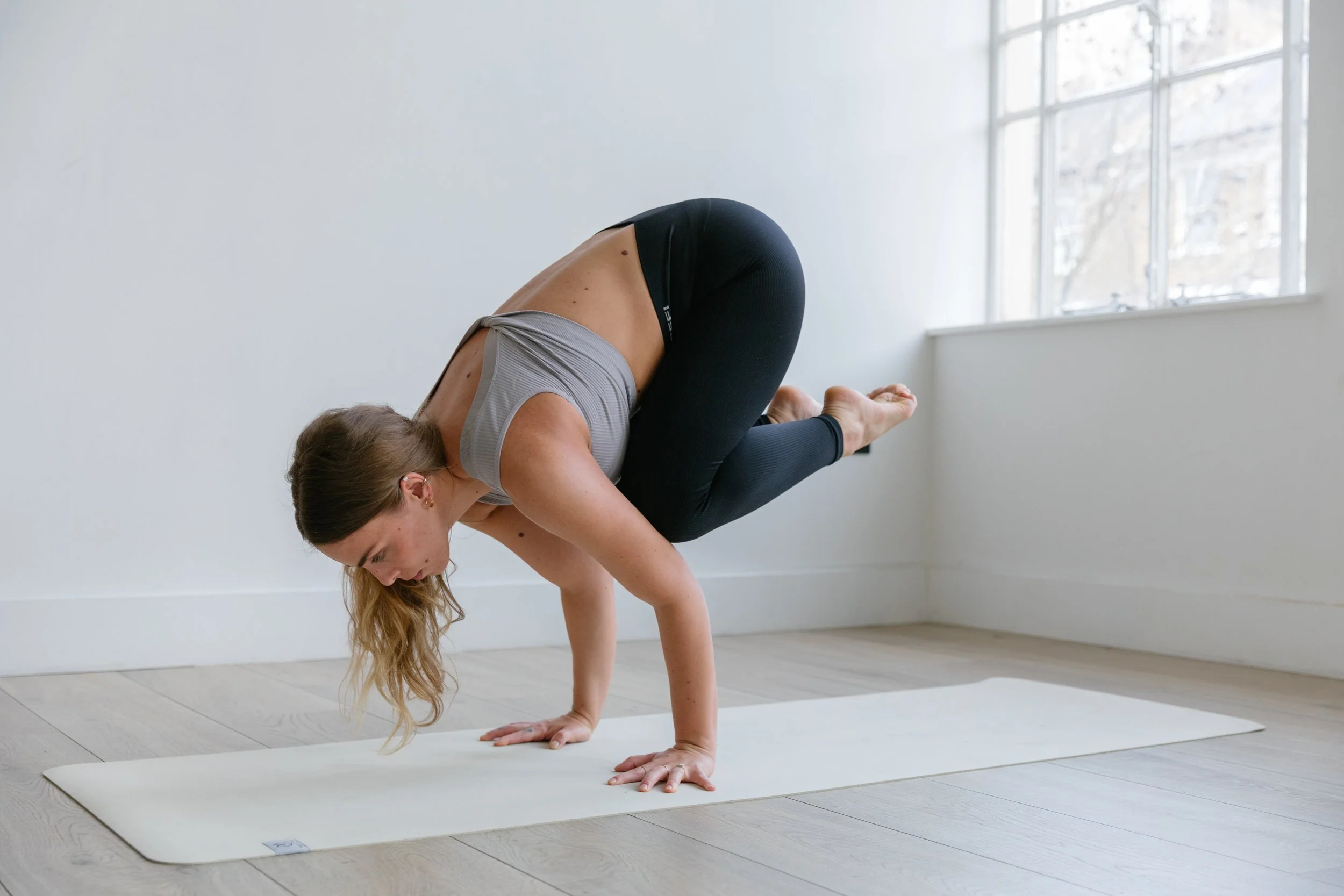
Strengthening the Foundation: Arms & Wrists
Why Arms & Wrists Matter
Crow Pose requires strength and stability in your upper body, particularly your arms and wrists. These foundational elements provide the support needed to elevate your practice.
Here are some yoga poses and transitions that focus on this part of the body.
Exercises & Poses for Upper Body Strength
Wrists Flexion and Extension with Dumbbell: strengthen your wrists dynamically.
Making Fists: target the muscles essential for weight-bearing.
Lift & Lower Heels of Hands: great for wrists and forearms.
Downward Dog to Plank: transition to engage arms and wrists.
Knee to Nose, Lower and Lift Shin: builds strength in the entire arms and shoulders.
Forearm Plank to Dolphin Pose: a great flow for shoulders strength and flexibility.
Reverse Plank with Triceps Dips: strengthens arms & shoulders.
Side Plank: develops lateral strength for better balance.
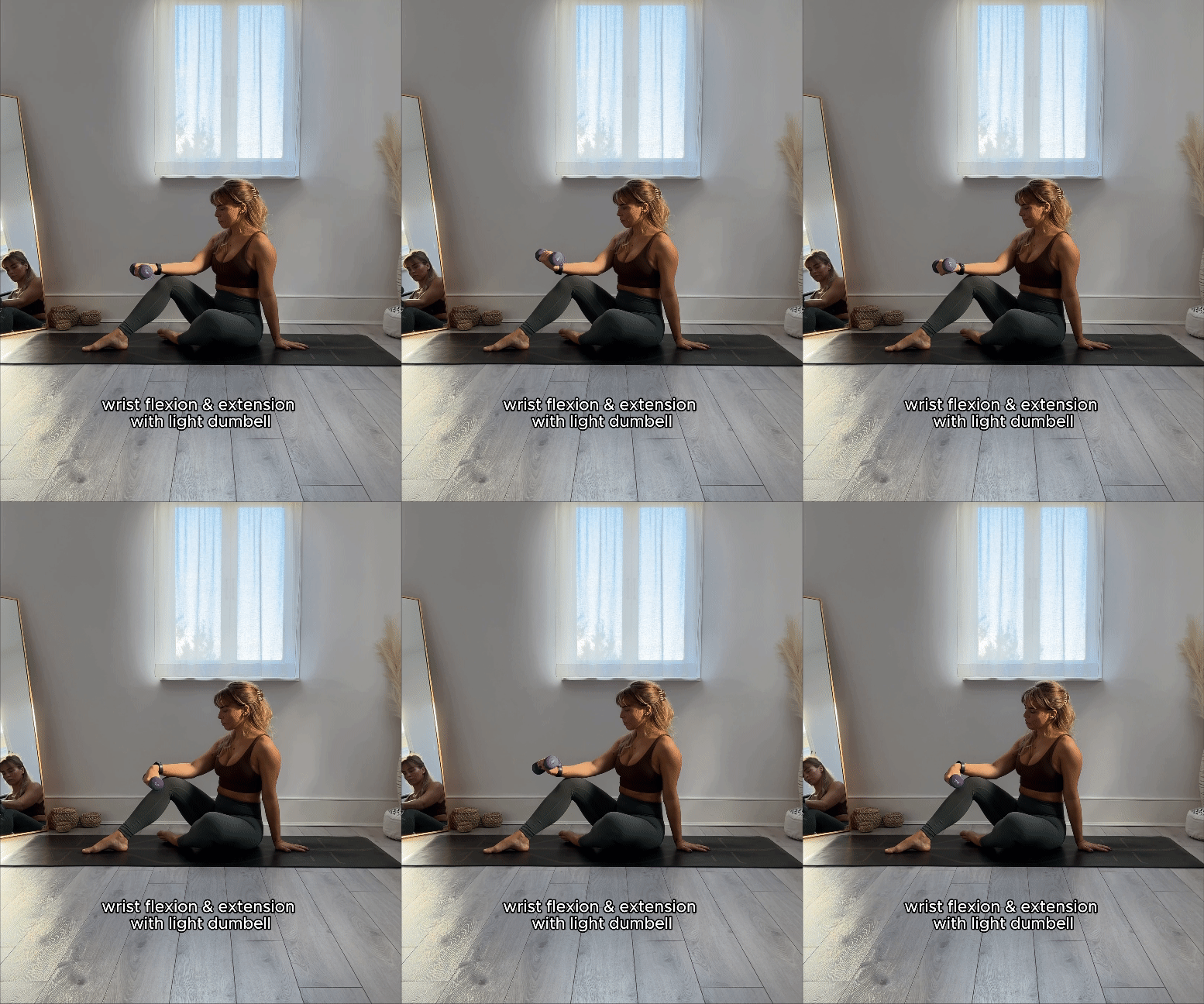
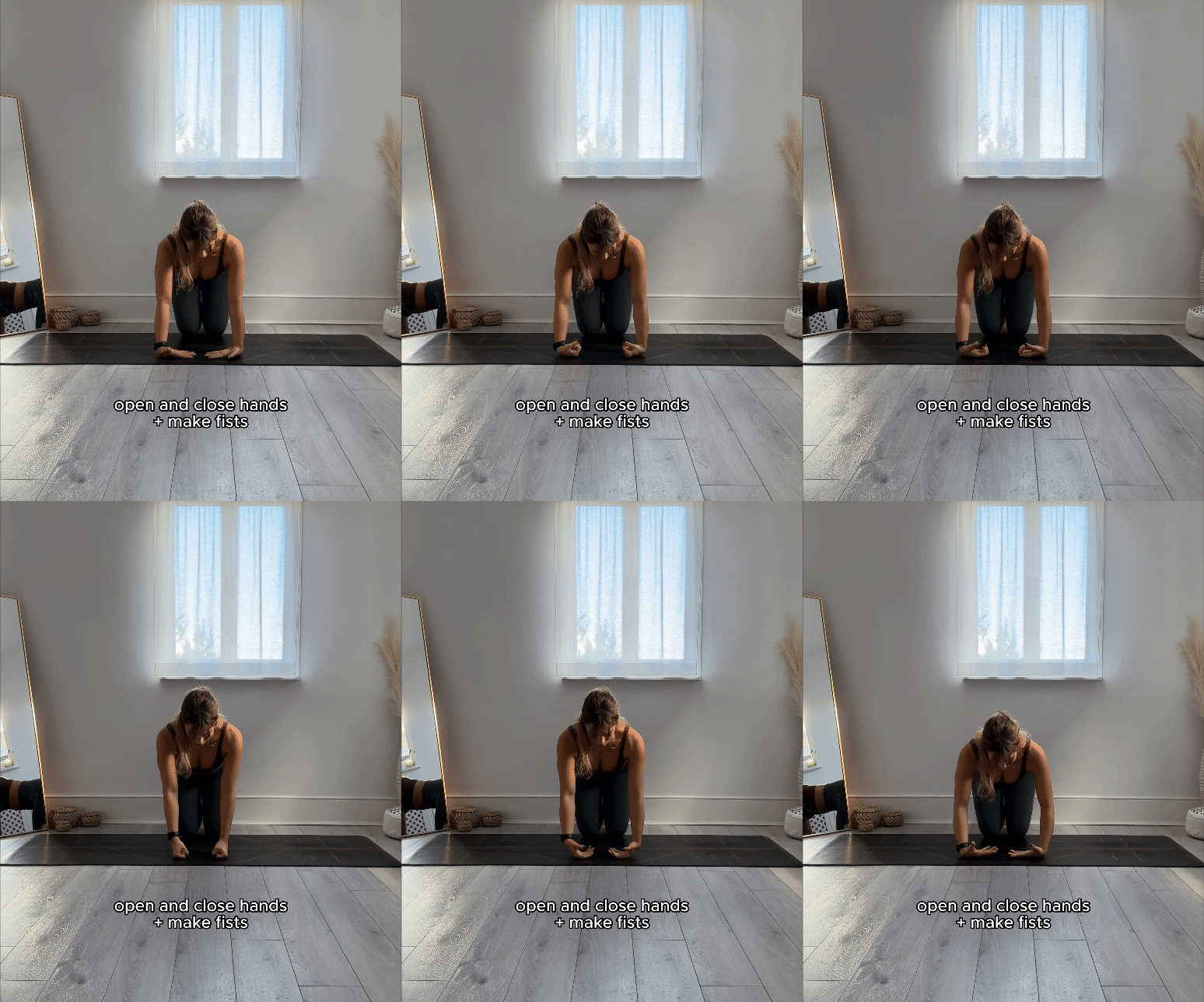
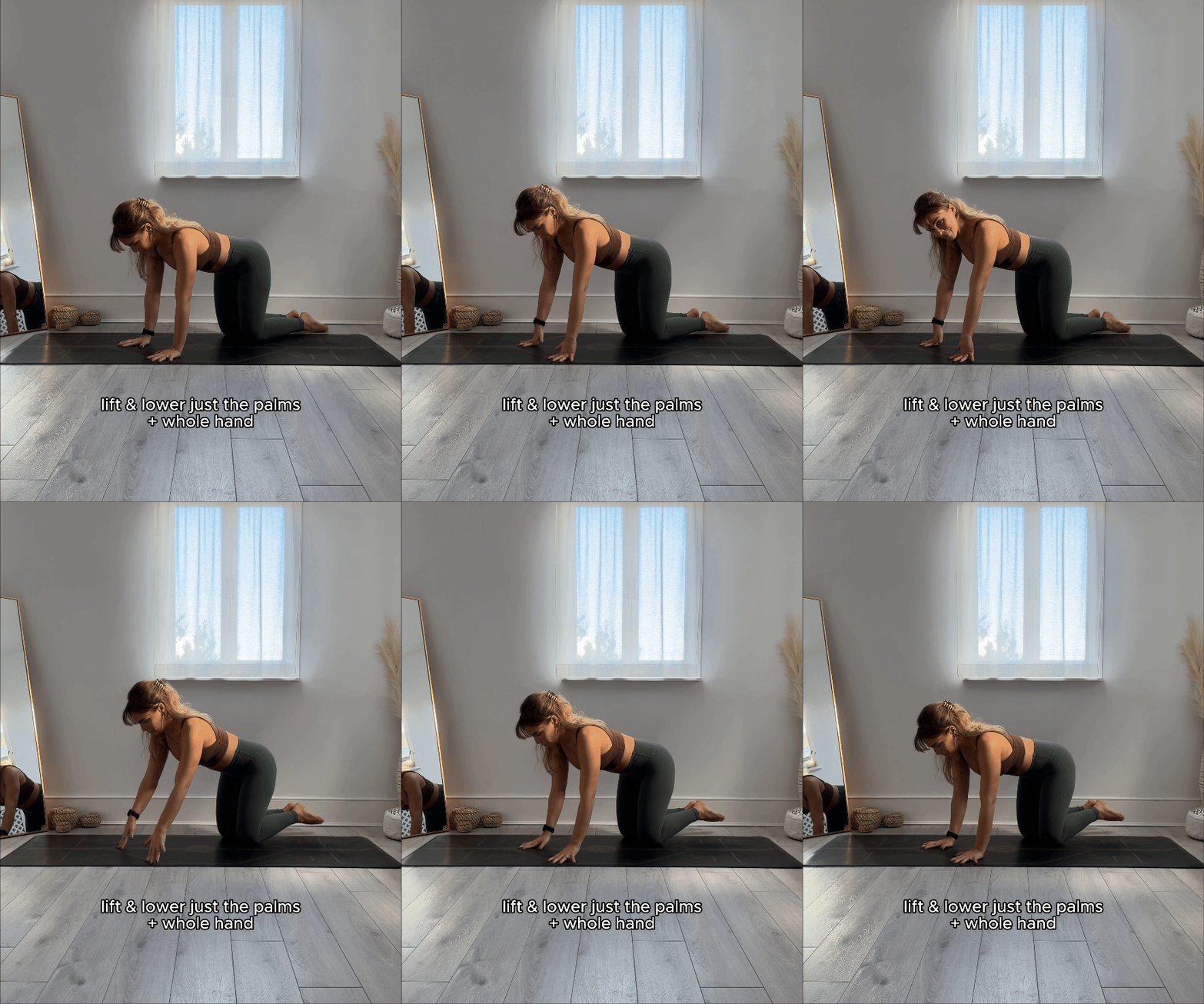
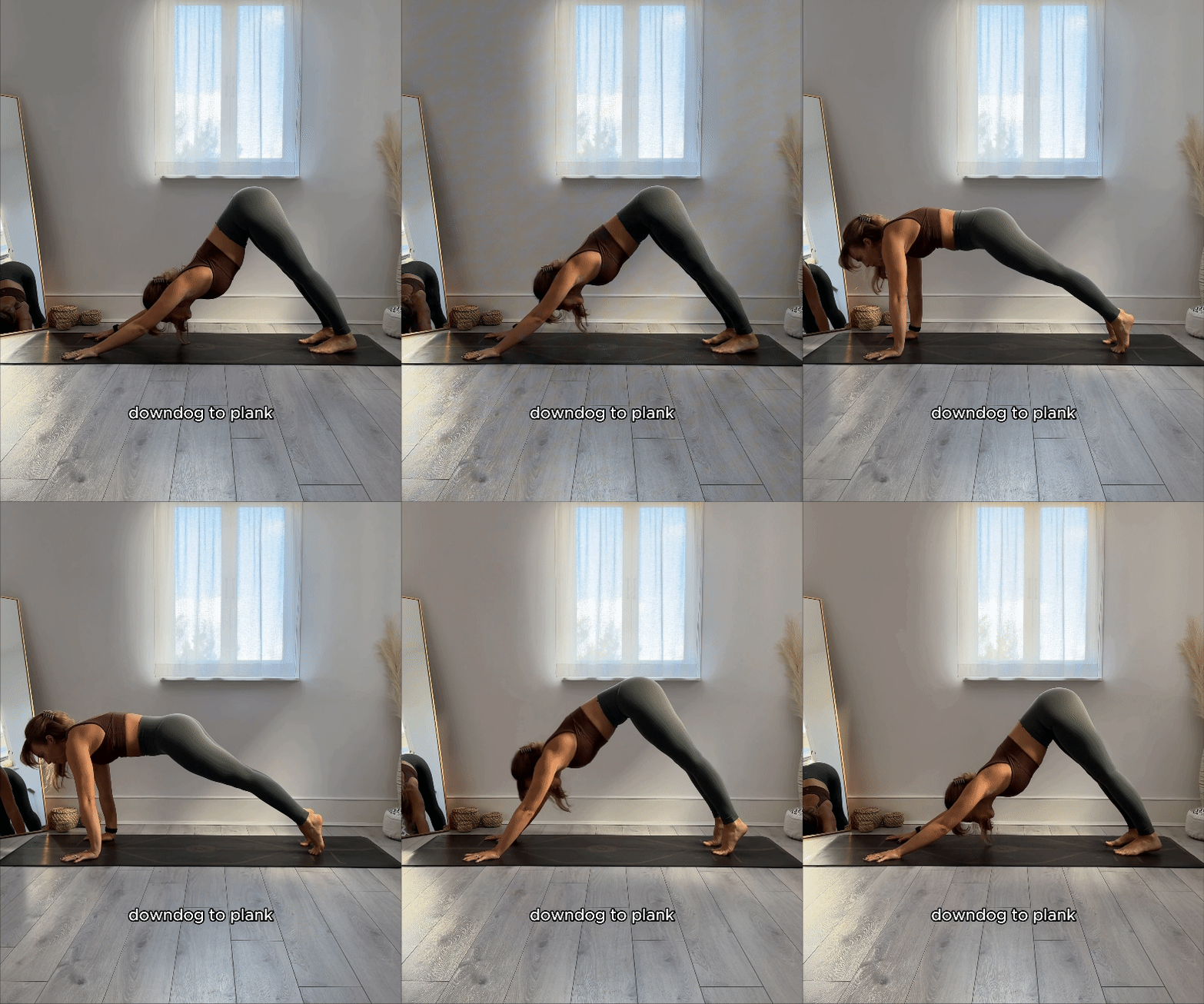
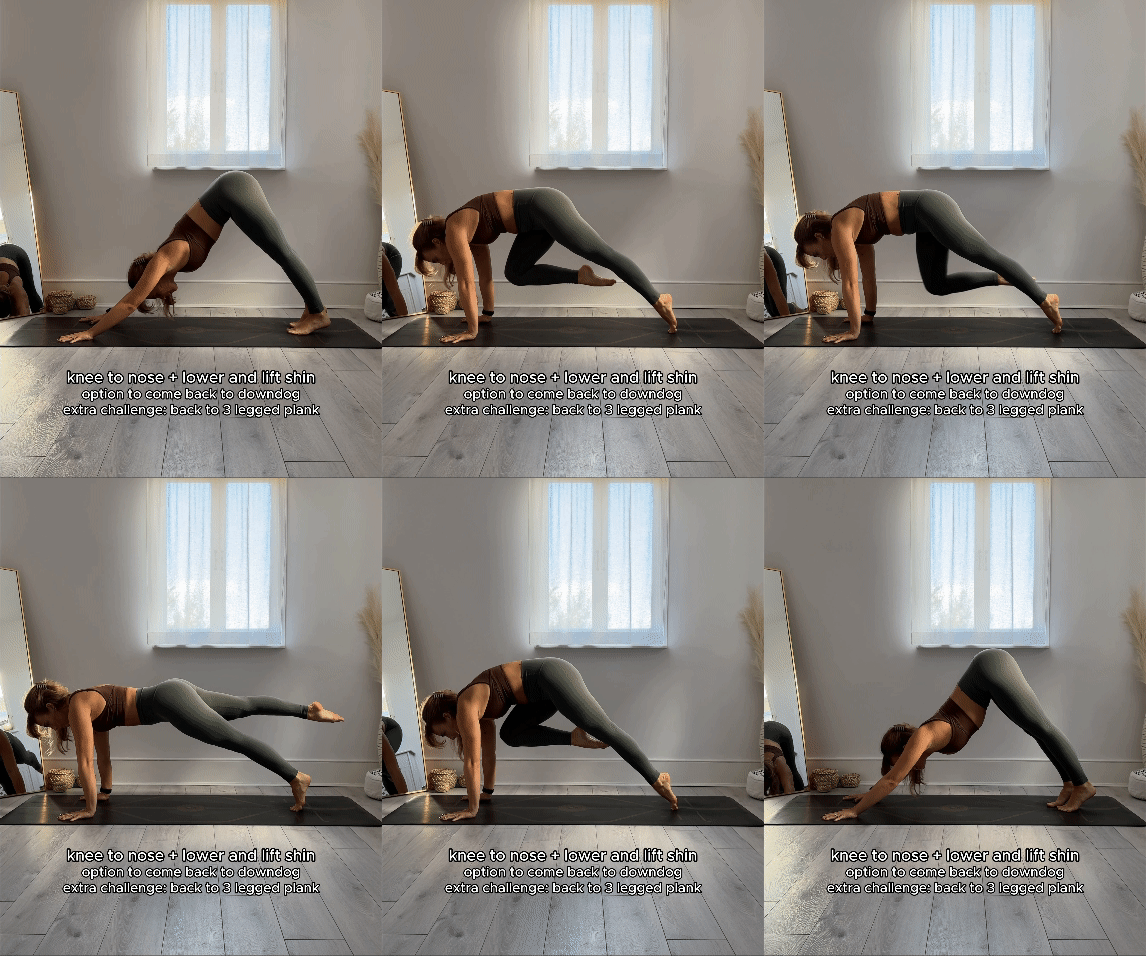
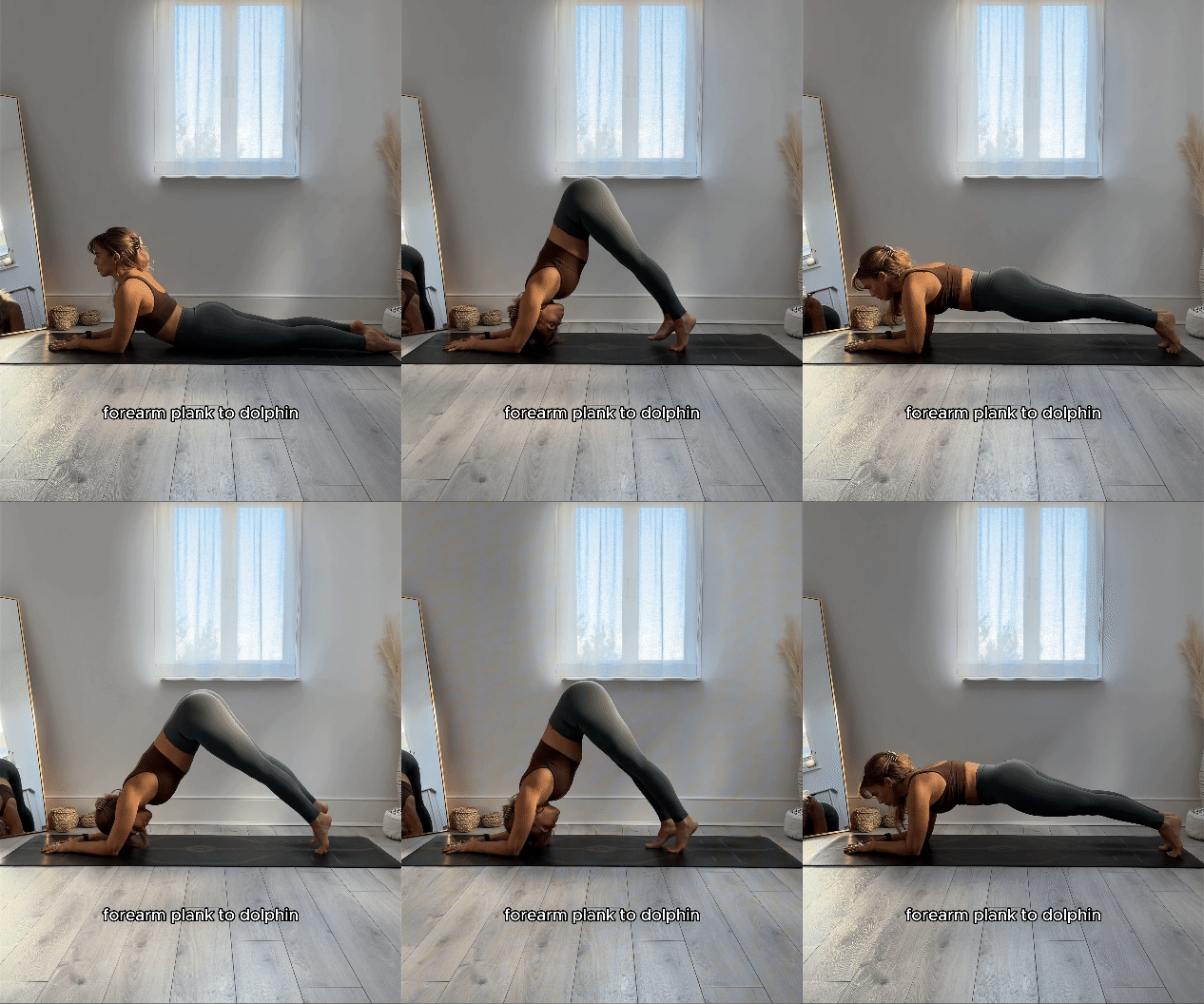
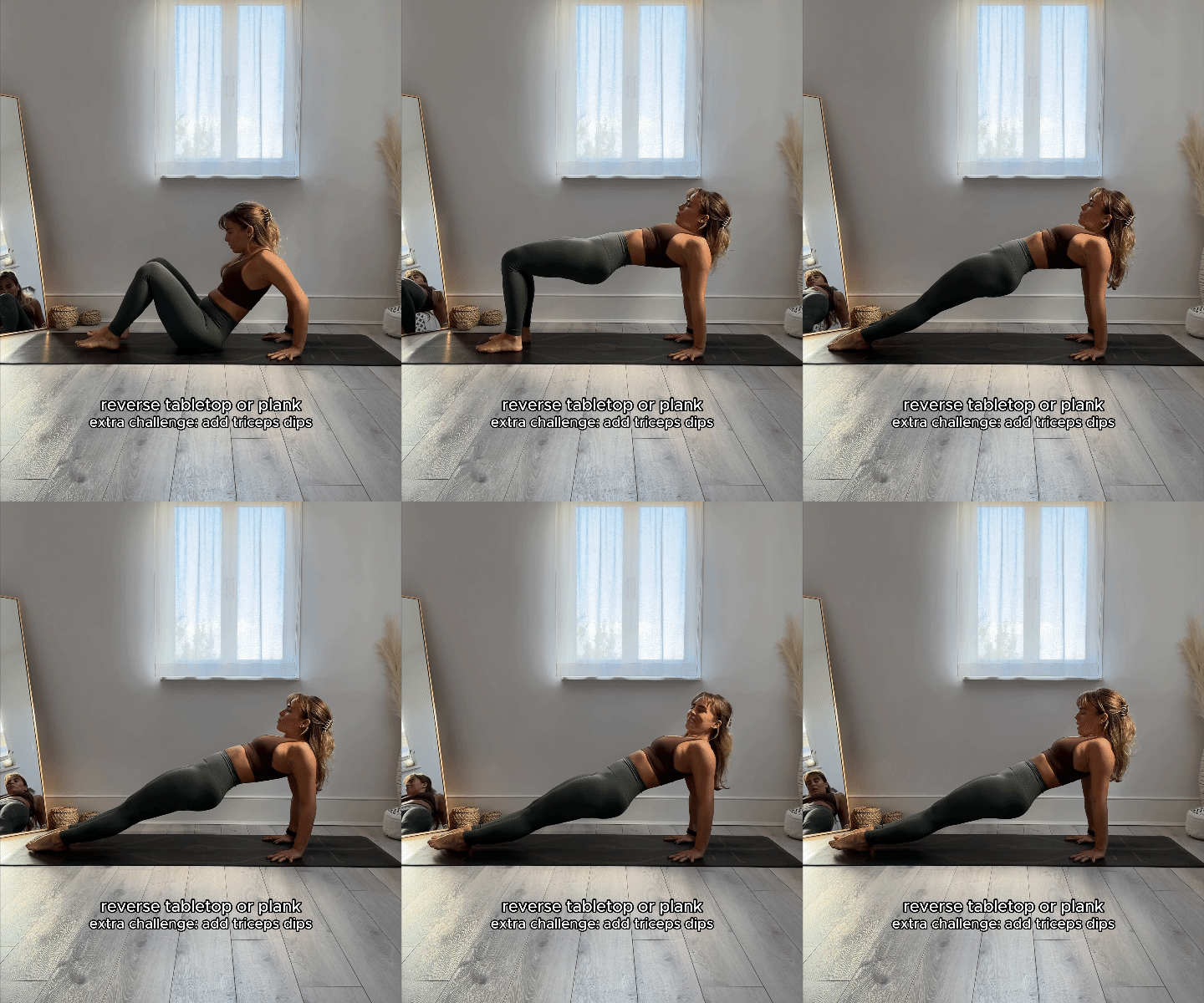
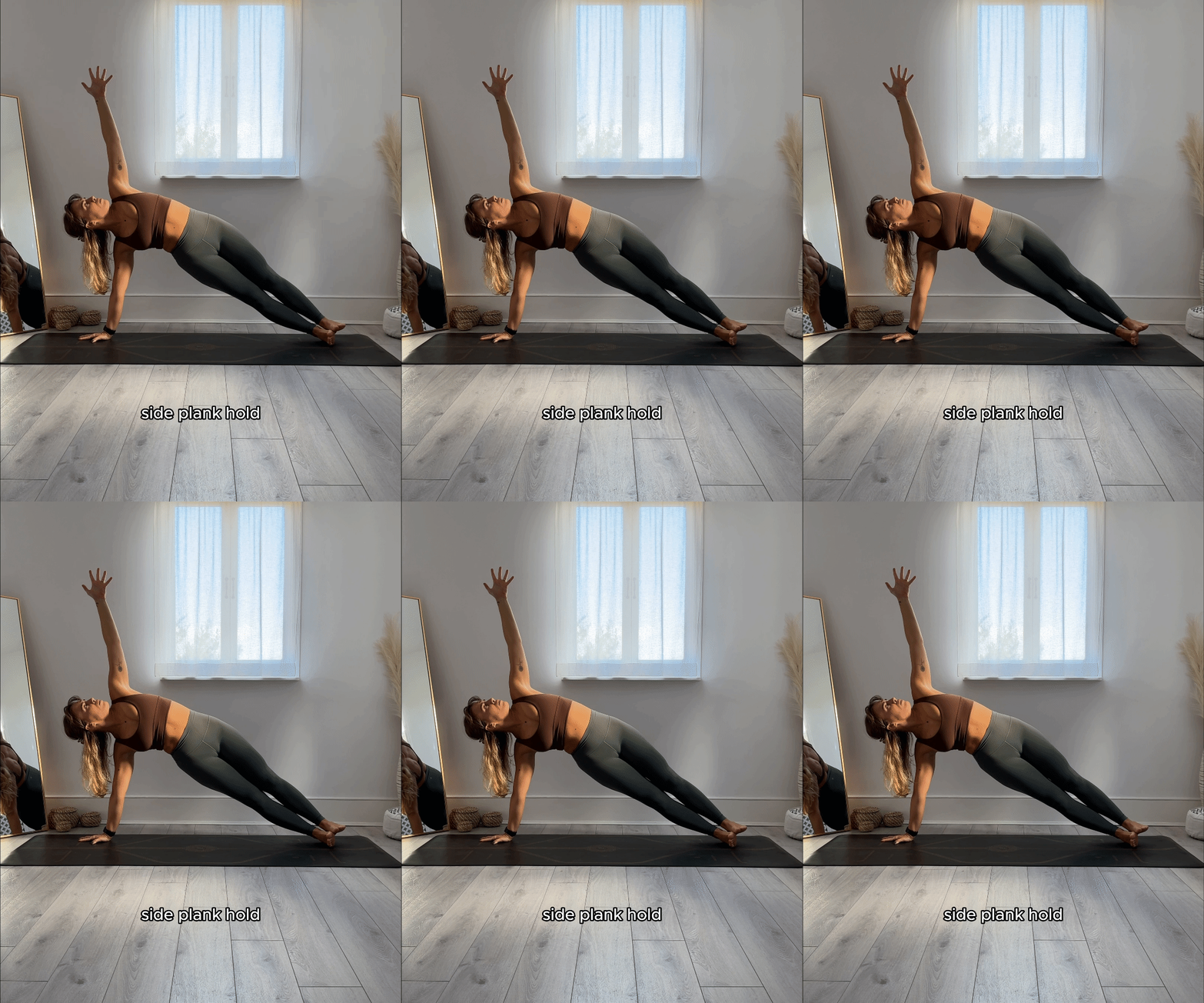
Tips for Happy Wrists
Hands in Downward Dog: pay attention to alignment to prevent strain.
Wrist Stretches & Strengthening: incorporate stretches to enhance flexibility & appropriate exercises to keep strengthening them.
Rest: give your wrists a break with hands-free flows.

Share your progress and experiences using #CrowPoseUnlocked. Strengthen your upper body, cultivate stability, and stay tuned for Week 3, where we'll delve into Hips & Legs.

Pose Of The Month - Crow Pose, week 1
Dive into Week 1 of Yoga Pose of the Month series, focusing on Core Strength to pave the way for mastering Crow Pose. Explore targeted yoga poses, a powerful breathing technique, and join our community using #CrowPoseUnlocked. Elevate your practice and build strength with expert guidance.
Hello beautiful yogis!
Welcome to Yoga Pose of the Month series, and this month's focus is on the challenging Crow Pose.

Week 1 is all about laying the groundwork with Core Strength.
THE IMPORTANCE OF CORE STRENGTH
Crow Pose demands more than just balance and flexibility; it requires a strong core. Specifically, we'll be targeting the anterior core, working on building stability and strength.
Here are some yoga poses and transitions that will work your core and a powerful breathing technique that will enhance your practice. Remember, consistency is the secret ingredient to success in your yoga journey.
Yoga Poses for Core Strength
Cat-Cow: focus especially on Cat position, where your spine is in flexion and shoulders in protraction.
Malasana Variation: deep squat for hip flexibility and core engagement.
Tiger Crunches: bring elbow to knee, engaging your core.
Boat to Low Boat: transition between these two poses for a dynamic core workout.
Plank - Slow Mountain Climbers: controlled movements targeting the anterior core.
Sphinx to Forearm Plank: strengthen your core with this dynamic transition.
Reclined Crow: familiarize yourself with the alignment of Crow Pose.
Incorporate these poses into your routine to feel the burn and build the strength needed for Crow Pose.

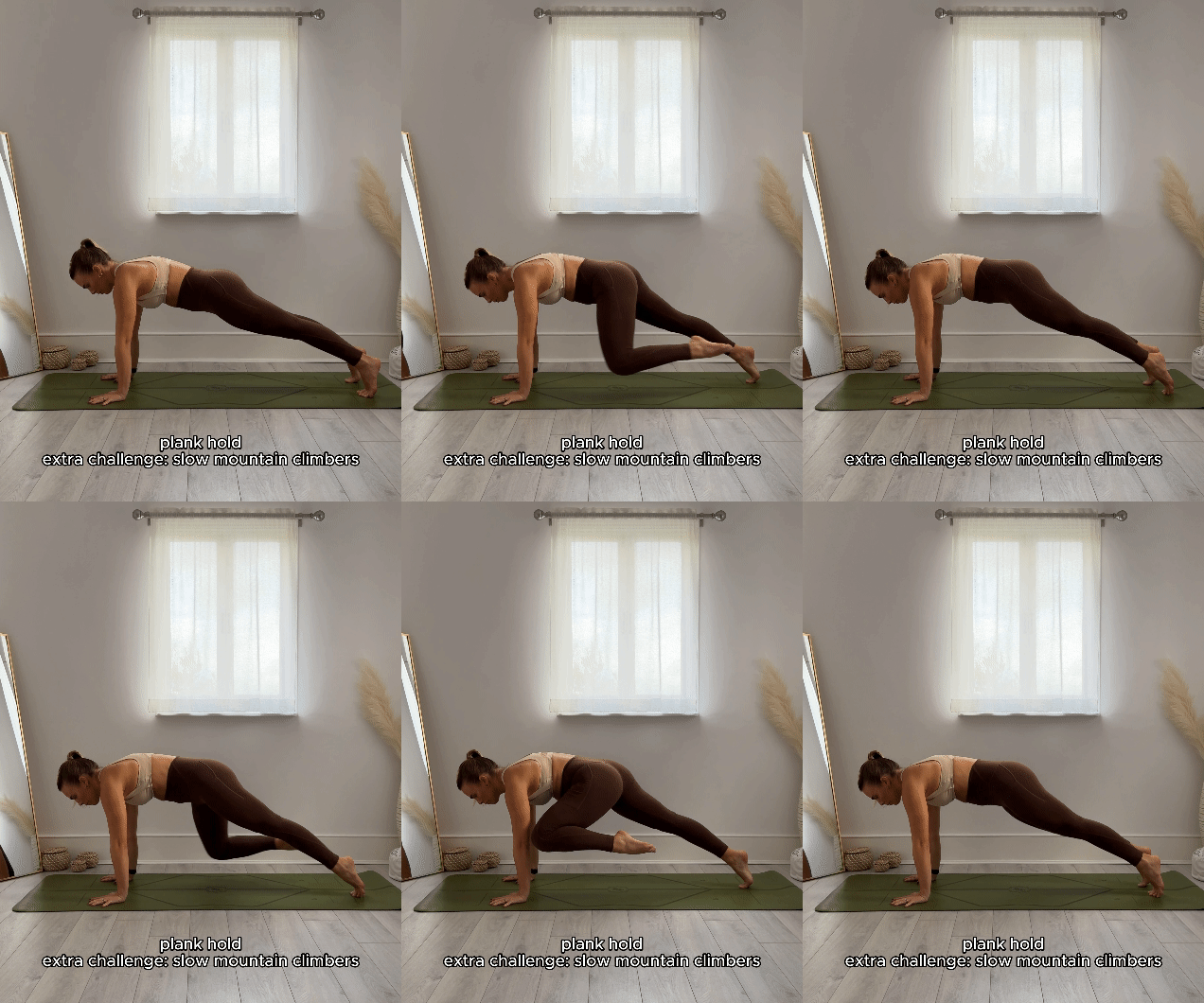


Diaphragmatic Breathing for Stability
Core strength extends beyond muscle; it's also about breath control. Diaphragmatic breathing activates the deep muscles of the core, providing stability and support.
Inhale through your nose, keeping the upper torso relatively still.
Exhale slowly through your nose, contracting the abdominals from the pubic bone to the lower ribs.
Hold the contraction for a few seconds at the end of the exhale.
Repeat for 5-10 breaths, focusing on the connection between breath and core engagement.
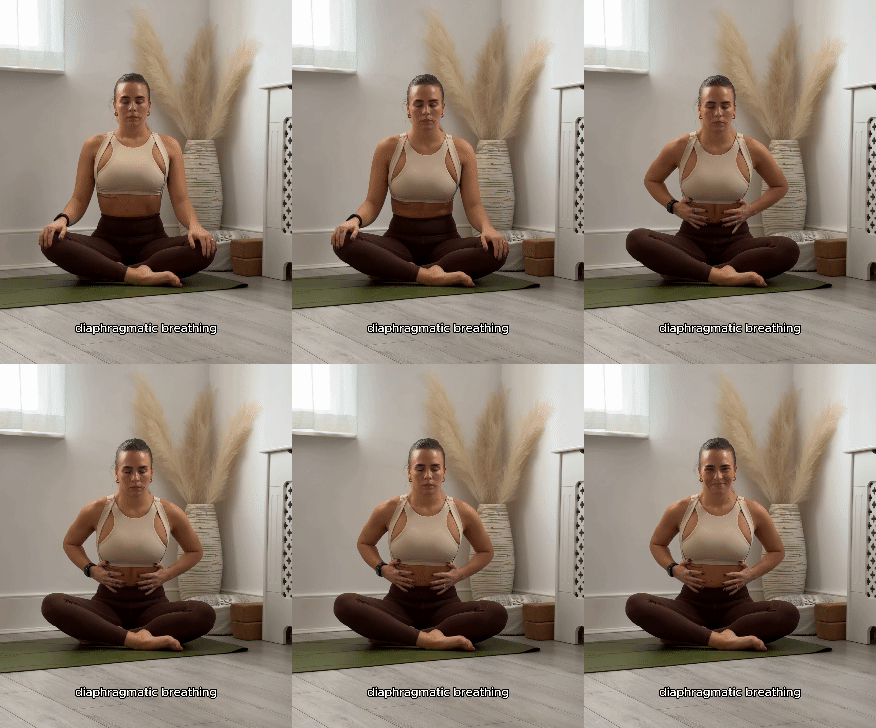
Incorporate diaphragmatic breathing into your routine to enhance your core strength journey.
Join me on this journey by tagging #CrowPoseUnlocked on your posts. Let's build strength, flexibility, and community together!
Stay tuned for Week 2, where we'll focus on Arms and Wrists!